
California Early Start Program California: Services, Eligibility, and How to Apply

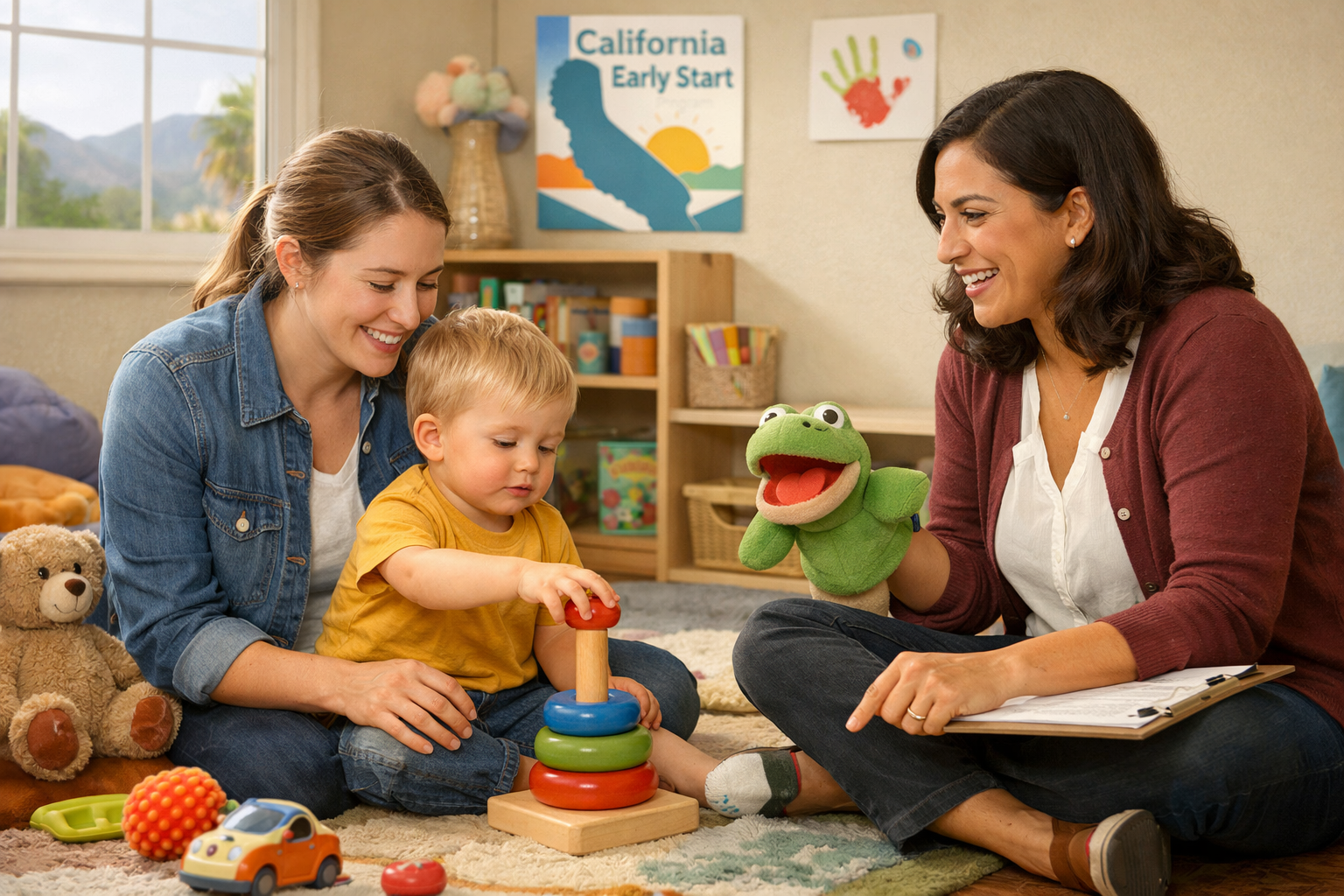
California Early Start Program Support for Infants and Toddlers
If you’re concerned about your child’s development, the uncertainty can feel overwhelming, especially when you’re not sure where to turn for help. Many families notice delays in speech, movement, behavior, or social interaction but don’t know what services are available or whether their child qualifies for support. In California, the good news is that help exists early, and it can make a lifelong difference.
The California Early Start Program California families rely on is the state’s early intervention system for infants and toddlers who show signs of developmental delays or disabilities. This program connects families with evaluations, therapies, and coordinated services during the most critical years of brain development, birth to age three.
Early support is powerful. Research consistently shows that early intervention California services improve communication, mobility, learning, and long-term independence. Just as importantly, Early Start supports families, not just children, by offering guidance, education, and coordination at a time when parents often feel most vulnerable.
In this comprehensive guide, we’ll explain what the California Early Start Program is, how it works, who is eligible, and how to apply step by step. We’ll also answer common questions like what does early intervention mean, how Early Start differs from early intervention ages 3–5 California, and what families should know about Regional Centers, including regional center San Diego intake processes. Whether you are just beginning to ask questions or ready to take action, this resource is designed to help you move forward with clarity and confidence.
Let’s start by understanding what the Early Start Program actually is.
Understanding the California Early Start Program
The California Early Start Program is California’s early intervention system for children from birth up to 36 months of age. It serves infants and toddlers who have developmental delays, established medical conditions, or are considered at risk for developmental challenges. Early Start is California’s implementation of the federal Individuals with Disabilities Education Act, known as IDEA Part C.
Under IDEA Part C, states are required to provide early intervention services to eligible infants and toddlers. In California, these services are coordinated through Regional Centers and local Early Start providers, ensuring families receive support close to home.
The philosophy behind early start California services is simple but powerful: the earlier support begins, the better the outcomes. During the first three years of life, the brain is developing rapidly. Early intervention takes advantage of this window by addressing developmental needs before delays become more significant.
Another defining feature of the early start program in California is its family-centered approach. Parents and caregivers are not passive recipients of services, they are active partners. Families help identify goals, participate in therapy strategies, and integrate developmental supports into daily routines.
Key benefits of the California Early Start Program include:
- Early identification of developmental delays
- Access to specialized therapies and supports
- Individualized planning through a family-centered model
- Ongoing service coordination and transition planning
Understanding these foundations helps families feel more confident as they move through the process.
What Does Early Intervention Mean?
Many parents ask, what does early intervention mean in practical terms? Early intervention refers to services and supports designed to address developmental delays or disabilities as early as possible, typically during infancy and toddlerhood.
In California, early intervention focuses on helping children develop essential skills such as communication, movement, social interaction, and problem-solving. These supports are not about “fixing” a child; they are about strengthening skills, reducing barriers, and supporting each child’s unique development.
Early intervention can include therapies, developmental services, family coaching, and environmental supports. For example, early intervention for speech delay might involve speech-language therapy combined with strategies parents use during meals, playtime, and daily routines.
Importantly, early intervention also supports families emotionally and practically. Parents gain knowledge, tools, and reassurance, helping them feel empowered rather than overwhelmed.
California Early Start Program Services Explained in Detail
The California Early Start Program offers a comprehensive range of services tailored to each child and family. These services are determined through evaluation and planning, ensuring they align with the child’s specific needs.
Developmental Evaluations and Assessments
The Early Start journey begins with a thorough developmental evaluation. Qualified professionals assess key areas such as:
- Communication and language
- Motor skills (gross and fine)
- Cognitive development
- Social-emotional functioning
- Adaptive and daily living skills
These evaluations help determine eligibility and provide a clear picture of a child’s strengths and areas of need. Families who want to begin this process often start with developmental screenings to better understand whether a full evaluation is recommended.
Individualized Family Service Plan (IFSP)
If a child qualifies, the team develops an Individualized Family Service Plan, or IFSP. The IFSP outlines:
- Developmental goals for the child
- Services and supports to be provided
- Frequency and location of services
- Roles of providers and family members
Families are equal partners in creating the IFSP. Their priorities, concerns, and daily routines shape the plan, making it realistic and meaningful.
Therapy Services and Developmental Supports
Depending on a child’s needs, Early Start services may include:
- Speech and language therapy
- Occupational therapy
- Physical therapy
- Developmental intervention
- Behavioral support
Services are often delivered in natural environments, such as the home or childcare setting, helping children practice skills where they naturally live and play.
Family Education and Coaching
Early Start recognizes that parents and caregivers are a child’s most important teachers. Families receive education, coaching, and strategies they can use throughout the day. This approach ensures that learning continues beyond therapy sessions.
Service Coordination and Referrals
Each family works with a service coordinator who helps manage appointments, connect with providers, and plan transitions. This coordination is especially valuable in navigating complex systems and ensuring continuity of care.
Families seeking additional guidance often benefit from navigation services that help them understand options and advocate effectively.
Who Is Eligible for the California Early Start Program?
Eligibility for the California Early Start Program California families access generally includes infants and toddlers from birth to 36 months who meet one or more criteria:
- A significant developmental delay in one or more areas
- An established medical condition with a high probability of developmental delay
- Being at risk for developmental challenges due to biological or environmental factors
A medical diagnosis is not always required. Eligibility is based on developmental functioning, not labels. This means families should not wait for a formal diagnosis if they have concerns.
Parents and caregivers do not need a doctor’s referral to begin the process. Anyone with concerns, including parents, childcare providers, or healthcare professionals, can make a referral directly.
How to Apply for the California Early Start Program
Applying for the California Early Start Program follows a structured but supportive process designed to help families move forward efficiently.
Step 1: Make a Referral
Families contact their local Regional Center and request an Early Start intake. This can include regional center San Diego intake or intake through another Regional Center depending on location. Parents can self-refer without a physician’s note.
Step 2: Intake and Evaluation
The Regional Center gathers background information and schedules developmental evaluations. These assessments determine eligibility and identify areas where support may be helpful.
Families often find it helpful to have guidance during this stage, especially when navigating paperwork and timelines. Services like regional center intake assistance can reduce stress and confusion.
Step 3: IFSP Development
If eligible, the IFSP team, made up of family members and professionals, creates the Individualized Family Service Plan. This plan becomes the roadmap for services and support.
Step 4: Begin Services
Once the IFSP is finalized, services typically begin quickly. Progress is reviewed regularly, and plans are updated as the child grows and needs change.
Early Start vs. Early Intervention Ages 3–5 in California
A common source of confusion is the difference between Early Start and early intervention ages 3–5 California services. Early Start serves children from birth to age three under IDEA Part C. Once a child turns three, they may transition to preschool special education services under IDEA Part B.
The transition process is planned in advance to ensure continuity of care. Service coordinators help families understand new eligibility criteria, evaluation processes, and service settings. This transition planning is a key component of the Early Start program.
How Families Use Early Start Services in Real Life
For many families, Early Start becomes a turning point. A toddler receiving early intervention for speech delay may begin using words or gestures to communicate, reducing frustration and strengthening relationships. A child with motor delays may gain confidence and independence through physical therapy integrated into daily routines.
Parents often describe feeling more supported once Early Start services begin. Having a team, a plan, and clear next steps reduces anxiety and builds confidence. Families learn how to support development at home, making progress part of everyday life rather than isolated therapy sessions.
Early Start is not about labels, it’s about opportunity.
Common Mistakes and Helpful Tips for Families
Families navigating the California Early Start Program can benefit from a few key reminders:
- Trust your instincts. If something feels off, seek evaluation early.
- Don’t wait for a diagnosis. Developmental concerns alone are enough to request help.
- Stay involved. Family participation strengthens outcomes.
- Ask questions. You have the right to understand every part of the process.
A common mistake is waiting too long in hopes that concerns will resolve on their own. Early support is most effective when started as soon as possible.
Supporting Families Through the Early Start Journey
The California Early Start Program exists to ensure children and families receive help when it matters most. Understanding your options and taking early action can open doors to services that support your child’s learning, communication, and independence.
Organizations like Families United play an essential role in helping families navigate Early Start, Regional Centers, and related systems. Through education, advocacy, and leadership programs like the Navigators to Leaders Program, families gain tools to move forward with clarity instead of confusion.
Additional insights into developmental concerns, such as cognitive delays, can also help families better understand evaluations and next steps, including resources on cognitive developmental delays in California.
If you have concerns about your child’s development, reaching out is the first and most important step.
California Early Start Program FAQs
What ages does the California Early Start Program serve?
The program serves infants and toddlers from birth up to 36 months of age.
Is the California Early Start Program free?
Yes. Early Start services are provided at no cost to families, although insurance may be accessed when appropriate.
Do I need a doctor’s referral to apply?
No. Parents and caregivers can refer their child directly to their local Regional Center.
How long does the Early Start process take?
Timelines vary, but evaluations and eligibility decisions typically occur within a few weeks of referral.
What happens when my child turns three?
Children transition from Early Start to preschool special education or other community services, with support from the service coordinator.
By understanding and accessing the California Early Start Program, families depend on, parents take a powerful step toward supporting their child’s development during the most critical years. Early help builds strong foundations for children, families, and communities alike.