
Identifying Potential: The Denver Developmental Screening Test for Families

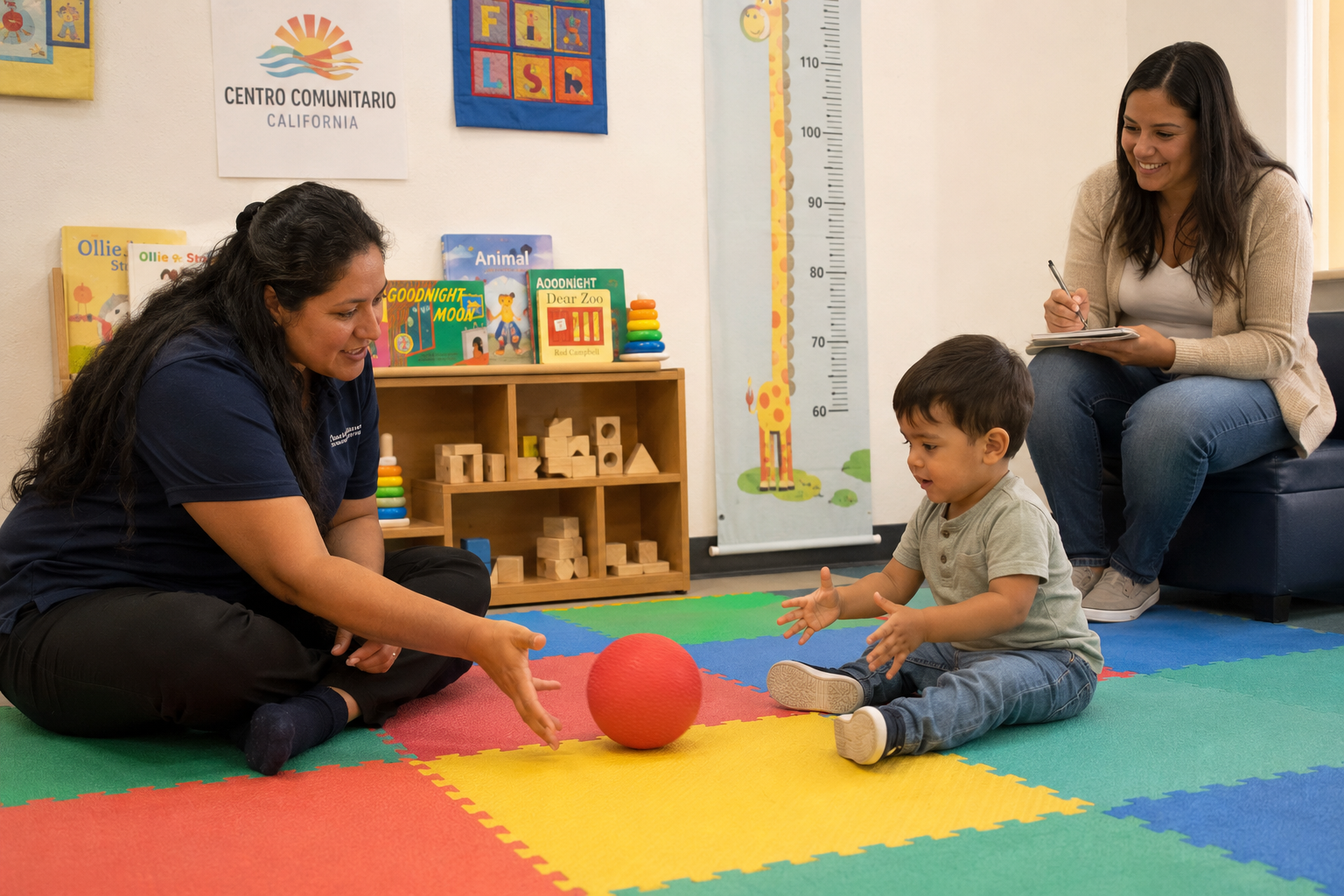
When you first notice subtle delays in your child's speech or motor skills, utilizing the Denver developmental screening test is a proven, reliable method to evaluate their progress. Families United uses this clinical framework to help parents catch hidden developmental gaps early, ensuring infants and toddlers receive the right support exactly when it matters most.
Missing critical early growth milestones can lead to severe real-world struggles, from long-term learning difficulties in public school to deep emotional frustration for the entire household. Navigating complex state resources without a clear assessment often leaves families feeling completely isolated and uncertain about their next steps.
This guide will explain exactly how the Denver developmental screening process works, how to read a standard Denver developmental chart, and how to access specialized developmental screenings in your community. Let's look closer at how this simple checkup creates a confident path forward for your child's growth.
Understanding the Denver Developmental Screening Test: A Foundation for Growth
The Denver developmental screening test—frequently referred to as the Denver ii test—is a highly structured, internationally recognized clinical tool used to monitor the development of children from birth to six years of age. Unlike an intensive diagnostic exam that labels a medical condition, this screening is a simple, proactive checkup administered through observation and basic interactive tasks.
It evaluates a child's progress across four key areas: gross motor skills, fine motor adaptive abilities, language development, and personal-social interactions. By observing these simple tasks, specialists can quickly determine if a child is developing at a typical pace or if subtle gaps require closer attention.
For parents, utilizing this screening matters immediately because it transforms vague worries into objective, clear data. Waiting passively to see if a child "grows out" of a suspected speech or motor delay often costs families precious time during critical early learning windows.
By engaging with professional developmental screenings, you remove the guesswork from your child's early milestones. The objective data gained from this assessment provides the exact documentation needed to fast-track access to state-funded resources and secure immediate early start (0-3) intervention services before academic delays occur.
Using this standardized framework offers clear, practical advantages for your household:
- Early Gap Detection: Identifying hidden speech, social, or motor delays before they impact your child's confidence or school readiness.
- Objective Tracking: Moving past subjective comparisons with other children and relying on a verified, data-backed standard of growth.
- Empowered Advocacy: Gaining authoritative clinical documentation that helps you navigate state-funded systems and regional centers without friction.
A common misconception is that a low score on the Denver developmental screening test indicates a permanent learning disability. In reality, the test is simply an early warning radar system designed to identify where your child needs temporary, targeted encouragement to reach their full potential.
Breaking Down the Sections of the Denver II Test
The Denver developmental screening test provides families with an objective, standardized blueprint of early childhood growth. When you participate in our complimentary developmental screenings, our specialists utilize this framework to map out your child's functional abilities with absolute precision.
By looking at specific milestones across four distinct developmental sectors, the assessment eliminates guesswork and highlights exactly where your child is thriving or where they might require a bit of extra support.
To help parents feel fully prepared and confident, we have broken down the specific categories and tracking mechanisms that make up a standard Denver developmental screening test ii evaluation.
1. Personal-Social Milestones
This initial sector focuses on how your child interacts with other people and manages their own independent, daily personal needs. During the evaluation, a specialist will observe behaviors such as smiling spontaneously, waving goodbye, playing interactive games like peek-a-boo, and eventually washing hands or dressing independently.
Monitoring these interactions is critical because social-emotional growth forms the baseline for future classroom cooperation. If a child shows an unexpected delay here, it gives parents an early signal to seek out structured navigation services to explore social skills groups or behavioral therapy resources.
2. Fine Motor-Adaptive Skills
This category tracks your child's manual dexterity, hand-eye coordination, and problem-solving capabilities. Tasks in this section scale with age, beginning with simple actions like tracking an object with the eyes or grasping a rattle. As a child grows, they are asked to stack small wooden blocks, copy simple shapes with a crayon, or draw a recognizable person.
These exercises matter because they measure how effectively the brain and hands work together. Catching a fine motor gap early gives families a clear head start in securing occupational therapy resources before the child faces handwriting or drawing frustrations in kindergarten.
3. Language Development
This vital sector evaluates a child's ability to hear, understand, and use spoken language effectively. The screening measures both receptive language (such as turning toward the sound of a voice or following a simple directional command) and expressive language (ranging from early vocal cooing and saying single words to combining complex phrases).
Because communication barriers are a primary source of childhood frustration and behavioral issues, tracking language progress against a validated Denver developmental chart is essential. Identifying a speech delay before age three ensures you can quickly step into state-funded early intervention programs.
4. Gross Motor Skills
The final sector of the Denver 2 developmental screening test tracks major muscle groups and overall physical coordination. For infants, this includes basic movements like lifting the head, rolling over, and sitting up without support. For toddlers and older children, the screening observes long-term motor coordination through activities like throwing a ball overhand, balancing on one foot, jumping, or skipping.
Tracking these major physical milestones helps families rule out underlying structural or neurological delays, giving parents peace of mind or a clear reason to consult a pediatric physical therapist.
How to Read the Scoring Results
When reviewing a Denver developmental screening test pdf or final summary chart, milestones are displayed as horizontal bars that indicate the age at which 25%, 50%, 75%, and 90% of the general population can successfully perform a specific task. If your child cannot complete an activity that 90% of children their age can do, it is marked as a "delay."
A single delay is simply an invitation to monitor that specific skill more closely. However, if multiple delays emerge across different sectors, our team will step in to provide immediate regional center intake assistance to ensure your family accesses comprehensive, state-funded diagnostic evaluations without any bureaucratic hurdles.
Real-World Impact: How the Denver Developmental Test Helps Families
Seeing how early childhood evaluations function in everyday scenarios helps parents understand the powerful, protective impact of objective tracking. Across California, diverse households utilize the Denver developmental screening test to transition from vague worry to precise, proactive support.
- Resolving Language Gaps Before Preschool: A family noticed their two-year-old son was using far fewer words than his peers at local playgroups, causing growing concern about his long-term communication skills. Instead of waiting for a school evaluation, they completed a structured Denver developmental test through a local community resource center.
The screening flagged a clear expressive language delay, prompting the family to immediately access state-funded early start (0-3) speech therapy programs. Within six months, the child’s vocabulary expanded significantly, completely eliminating his communication frustrations before he entered preschool.
- Identifying Fine Motor Gaps in Toddlers: A mother observed that her four-year-old daughter struggled with holding crayons and stacking blocks, but assumed it was just a temporary phase. During a community health fair, a specialist administered a quick Denver 2 developmental screening test to check the child's fine motor coordination.
- The objective results revealed a distinct tracking delay, which allowed the mother to confidently present clear data to her pediatrician. This proactive step secured a referral for occupational therapy, giving the child the physical tools needed to succeed in kindergarten.
These practical examples show how a simple screening eliminates guesswork and replaces it with an actionable roadmap. By relying on an objective standard, you can protect your child's developmental timeline and secure resources with complete confidence.
Expert Tips: Maximizing Insights from the Denver Developmental Screening Test
Transitioning from a basic understanding of early childhood milestones to actively monitoring your child's growth is where real progress begins. Applying these experience-based strategies ensures your family gets the most accurate data from a Denver developmental screening test while keeping the evaluation process entirely stress-free for your child.
- Review a Reliable Milestones Blueprint Early: Before your official appointment, familiarize yourself with a validated printable developmental milestones chart. Having a clear baseline of what to look for helps you note subtle household behaviors in advance, ensuring you can provide your specialist with a thorough and accurate developmental history.
- Schedule the Assessment Around Peak Routine Hours: Children perform best when they are well-rested and well-fed. When setting up a Denver developmental screening, always avoid scheduling during typical nap times or meal times to prevent false delays caused by simple fatigue or hunger.
- Maintain a Relaxed, Play-Based Atmosphere: Remember that a Denver developmental screening test relies on observation and interactive tasks, not rigid academic testing. Frame the evaluation to your toddler as a fun game session with blocks and toys to ensure they remain cooperative, relaxed, and fully engaged with the specialist.
- Track Long-Term Growth Systematically: Development is a dynamic, lifelong journey rather than a single event. Make it a habit to cross-reference your child's progress against a reliable developmental milestones chart 0-5 years pdf annually to catch any slow-forming or shifting gaps before they impact school readiness.
Mastering these simple preparation practices ensures your child receives a highly accurate screening, allowing you to make confident, data-backed decisions for their future.
Act Early: Scheduling Your Child’s Denver Developmental Screening
Utilizing the Denver developmental screening test provides your family with an objective, data-backed baseline of your child's early growth. You now understand how a standard Denver developmental screening evaluates critical milestones across social, motor, and language sectors to catch subtle delays before they impact school readiness. Armed with this clear clinical information, you can stop second-guessing your child’s progress and start building a proactive, stress-free path forward for their education.
Taking immediate action is the most effective way to eliminate worry, avoid long-term learning hurdles, and secure essential resources during your child’s most critical developmental windows. By partnering with a dedicated community resource center, you ensure that your family is never left to figure out complex state support systems all alone.
Whether you want to review your child's milestones out of abundance of caution or require guidance through a suspected behavioral delay, our specialists are here to assist you. Take the first step toward empowering your child's future by exploring our comprehensive developmental screenings today.
Frequently Asked Questions About Developmental Screenings
What is the primary purpose of the Denver developmental screening test?
The primary purpose of the Denver developmental screening test is to identify early signs of potential developmental delays in infants and young children. Rather than serving as a formal, clinical diagnosis, this proactive tool acts as an early warning radar system. It allows families to recognize hidden growth gaps across motor, language, and social sectors, ensuring they can access critical support long before a child starts public school.
Where can I access a trusted Denver developmental screening test pdf?
You can easily find a verified Denver developmental screening test pdf or informational breakdown through state-funded non-profit organizations and regional health clinics. Families United offers downloadable materials and comprehensive resources to help parents track milestones at home. For personalized, step-by-step assistance with your tracking results, consider utilizing our community-driven navigation services to easily map out your next steps.
How does the Denver ii test differ from a medical diagnostic exam?
The Denver ii test is purely a brief, observational screening tool designed to flag potential vulnerabilities, whereas a medical diagnostic exam is an in-depth clinical evaluation performed by specialists to confirm a specific disorder. If your initial screening reveals a delay, it simply indicates that your child needs a closer look or targeted milestone support, rather than signaling a permanent learning or behavioral disability.
When should a child undergo a Denver 2 developmental screening test?
A child should ideally complete a Denver 2 developmental screening test during regular wellness checkups between birth and six years of age, or the moment a parent or pediatrician suspects a motor or speech delay. Catching a functional gap early is highly beneficial, as it gives families a vital head start in securing state-funded early intervention therapies during a child's most adaptable learning windows.