
Accountability in Action: Navigating the Developmental Disabilities Administration Framework

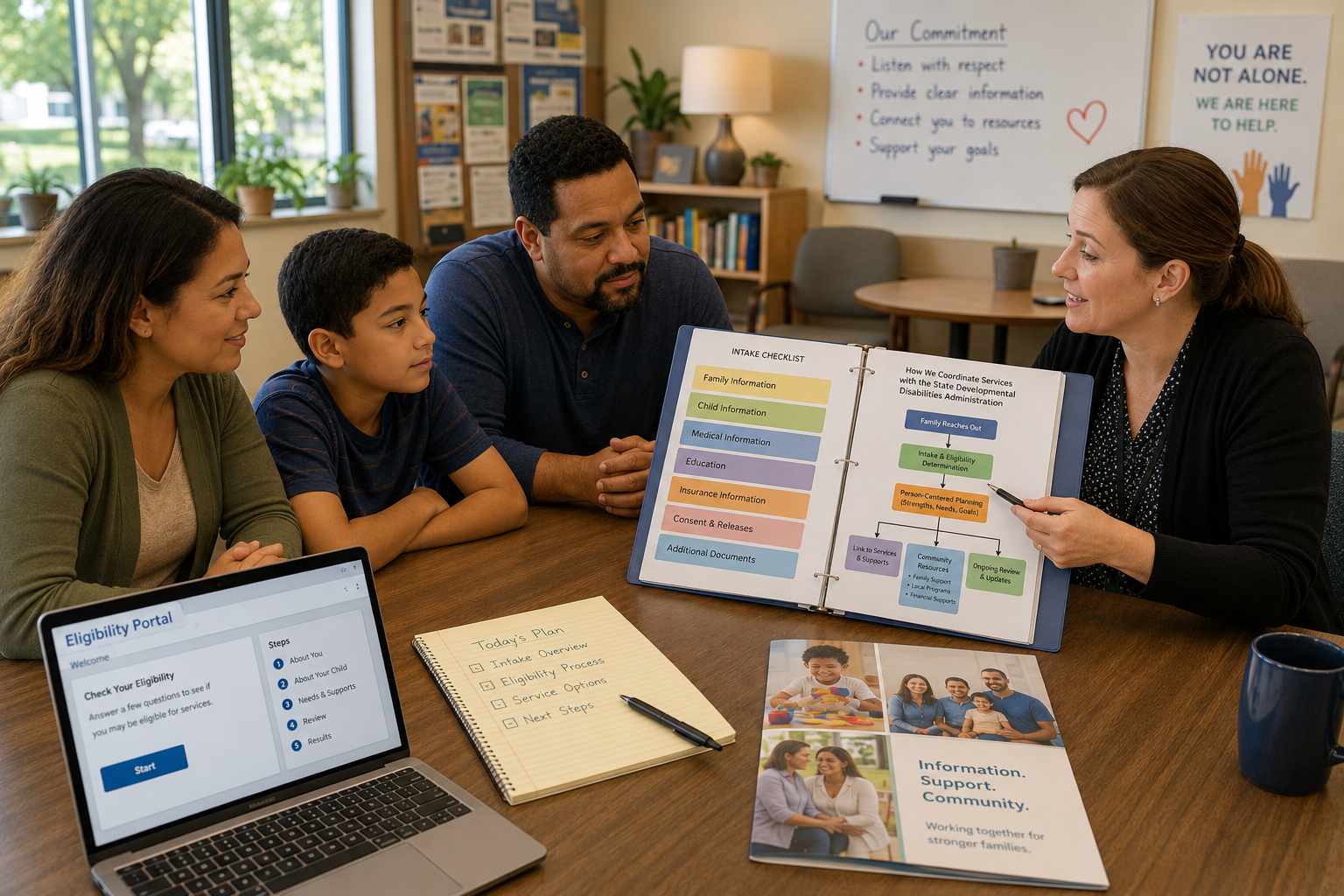
Securing institutional support through a state-level developmental disabilities administration is a foundational step toward establishing long-term equity, inclusion, and tailored care for individuals with unique learning and cognitive needs.
For many parents and caregivers, watching a loved one face persistent social or educational barriers while trying to decode a complex, detached bureaucratic network can feel completely isolating.
Without a clear roadmap, families frequently miss out on vital funding, specialized therapies, and specialized classroom accommodations, leaving their children without a fair foundation for the future.
By reading this guide, you will gain a clear overview of what developmental disabilities administration infrastructure is, learn how state-level agencies authorize long-term family aid, and understand how community-driven advocacy simplifies complex public intake requirements.
Let's look at the operational processes behind the developmental disabilities administration dda framework and explore how to transform confusing state guidelines into a sustainable, empowering plan of action.
Understanding the Scope of the Developmental Disabilities Administration
A state-level developmental disabilities administration is a centralized public government division tasked with organizing, funding, and regulating long-term specialized services for individuals with cognitive, physical, or adaptive delays.
Working within complex state and federal oversight guidelines, a developmental disabilities administration determines personal eligibility, coordinates professional case management, and issues personal funding budgets for assistive living needs.
Whether you are navigating regional systems in California or interfacing with the developmental disabilities administration dda frameworks in other areas, these agencies serve as the primary institutional gateways to personal care and public resources.
For families raising children with unique learning or behavioral profiles, understanding these public systems is essential for securing real educational and social equity.
Attempting to manage life-altering diagnoses in total isolation frequently results in severe emotional burnout, lost financial aid, and stalled developmental milestones. Learning to access comprehensive state support networks ensures that your loved one receives specialized therapies, behavioral technicians, and functional safety protections.
To successfully initiate this process, utilizing our direct regional center intake assistance helps caregivers confidently complete complex state forms and establish basic eligibility without feeling overwhelmed.
Learning to navigate these specialized state-funded portals provides clear, actionable benefits:
- Guarantees Lifetime Adaptive Resources: Qualifying for public care ensures that personal housing, respite care, and daytime vocational programs remain available through adulthood.
- Secures Specialized Early Intervention: Connecting infants and toddlers to targeted physical and speech therapies minimizes long-term delays. Our specialized early start 0-3 programs bridge this exact gap, setting a fair foundation for early growth.
- Empowers Strong Family Advocacy: Understanding state regulations allows parents to transition from passive service seekers to highly informed, proactive community leaders.
A common misconception is that standard public school enrollments automatically trigger these extensive, long-term state-level disability benefits. In reality, school accommodations and public administration services operate under entirely separate legal frameworks, meaning families must proactively initiate their own separate state intake procedures.
Decoding the Services Offered by the Developmental Disabilities Administration
Navigating the exact landscape of a state developmental disabilities administration requires breaking down public systems into clear, actionable service categories. While public bureaucracies often make these programs look like an unapproachable web of confusing paperwork, state-funded frameworks exist specifically to provide structural stability, personal safety, and social equity for your loved one.
Understanding the exact categories of care authorized by a public developmental disabilities administration allows parents and caregivers to request the specific individual accommodations their families genuinely need.
When you learn to systematically approach the open divisions of public care, you can maximize your family's personal safety net and ensure zero adaptive resources are left on the table.
1. In-Home Personal Care and Daily Adaptive Support
The primary goal of most public administration models is to assist individuals with special needs so they can continue living safely and comfortably in their family homes. A state-funded developmental disabilities administration achieves this by authorizing paid personal care hours, which can be used to hire trained support professionals or compensate family members who act as primary caregivers.
These specialized funds cover daily living tasks, including personal hygiene management, meal preparation, mobility assistance, and behavioral monitoring. Securing these core services reduces household isolation and provides families with the reliable, structural support necessary to balance work and home life.
2. Respite Services for Family Caregivers
Caregiver burnout is a serious risk for parents managing complex developmental or medical diagnoses without consistent backup. To counter this, public systems fund structured respite services, providing temporary relief for primary caregivers.
Authorized respite care allows a qualified professional to step in and manage your child’s routine for an afternoon, a weekend, or during an unexpected family emergency.
Utilizing structured respite options helps parents rest, recuperate, and attend to individual health needs, knowing their child remains in a safe, culturally responsive, and highly capable environment.
3. Employment Readiness and Community Inclusion Programs
As individuals with cognitive delays transition into adulthood, public state divisions shift their focus toward long-term vocational equity and social inclusion. A regional developmental disabilities administration collaborates with specialized local partners to offer supported employment programs, personalized job coaching, and active daytime community integration activities.
These structured state-funded initiatives match individuals with inclusive local employers, teach foundational workplace communication skills, and build real personal autonomy.
Transitioning into these daytime programs ensures that young adults can contribute meaningfully to their communities while building lasting personal independence.
4. Professional Case Management and System Navigation
Every individual who qualifies for public state aid is partnered with a dedicated service coordinator or state case manager. This representative acts as a personal guide through complex public networks, facilitating annual Individualized Program Plan (IPP) reviews and updating authorized funding allocations.
Because state systems remain dense, utilizing our specialized navigation services helps families communicate effectively with assigned state coordinators. This professional one-on-one assistance ensures your current family needs are accurately translated into formal state-authorized service authorizations.
Empowerment Insight: State eligibility guidelines vary significantly across the United States. For example, if you are searching for regional help along the Pacific Northwest, looking into the specific rules of the developmental disabilities administration dda washington framework will ensure your applications align with regional criteria.
For local families navigating systems in California, working directly with the Department of Developmental Services (DDS) ensures compliance with local state codes.
Learning the core functions of these public programs allows you to approach state intake meetings with clarity and confidence. If you are ready to move past initial service-seeking and learn how to guide other families through complex state hearings, exploring our flagship navigators to leaders program provides the comprehensive training needed to turn parent knowledge into community advocacy.
Structured education ensures your family can secure every available accommodation with absolute confidence.
Real-World Impact: Applying Public Disability Infrastructure
Reviewing how different families actively engage with public state divisions helps clarify the actual intake and navigation process. These practical examples show how structured institutional support changes life trajectories when caregivers understand how to use public resources.
- The Early Intervention Path: A family noticed their two-year-old child was facing severe speech delays and social regression. Unsure of how to access public help, they utilized a local non-profit to coordinate a professional developmental screening to document the child's exact learning delays.
Armed with these clear, objective clinical metrics, they bypassed common bureaucratic delays during the formal developmental disabilities administration review process.
As a result, the state authorized immediate, weekly speech therapy sessions, helping the toddler reach critical early communication milestones before entering preschool.
- The Transitioning Adult: An aging caregiver was becoming increasingly concerned about who would support her twenty-year-old son with Down syndrome once she could no longer manage his daily care alone.
She applied for long-term eligibility through the developmental disabilities administration to establish an adult Individualized Program Plan (IPP). The state division assigned a case manager who successfully authorized funding for a local supported employment program and an inclusive daytime community group.
This proactive transition reduced the caregiver’s emotional burnout and provided her son with a safe, reliable, and independent daytime routine.
These real-life scenarios prove that public administrative frameworks can be systematically navigated to build a reliable safety net. You can apply these exact same structured steps to transform confusing public resources into immediate, life-changing progress for your family.
Essential Advocacy Tips for Managing State Disabilities Systems
Moving from a baseline understanding of public programs to actively managing your child's case file is what ensures your family receives continuous, high-quality care. Implementing these practical, experience-based advocacy strategies allows you to systematically cut through state red tape and secure authorized services without facing endless bureaucratic delays.
- Organize All Developmental Records Chronologically: State caseworkers handle hundreds of active files, making it easy for loose paperwork to get misplaced.
Keep a dedicated, comprehensive binder containing every clinical evaluation, IEP document, and medical diagnosis report sorted by date. Presenting an organized history during your formal intake review prevents miscommunications and accelerates your eligibility approval.
- Document Every Administrative Interaction in Writing: Verbal promises made over the phone regarding public funding allocations are incredibly difficult to verify later on.
Follow up every phone conversation or in-person meeting with a brief, professional summary email to your assigned case manager. Maintaining a clear paper trail holds the public agency accountable and keeps your service authorizations moving forward.
- Master Your State’s Specific Eligibility Criteria: Public disability rules vary significantly by region, meaning a policy that applies in California might differ from the dshs dda rules utilized elsewhere.
If you are coordinating care in the Pacific Northwest, studying the exact administrative codes of the developmental disabilities administration dda washington framework prevents you from submitting incomplete application packets.
- Form Ongoing Alliances With Fellow Parent Advocates: Attempting to decode complex state manuals completely on your own frequently leads to confusion and missed resource deadlines. Joining a structured peer network, such as our community-driven navigators to leaders program, connects you with experienced caregivers who have successfully navigated these exact state systems. Sharing direct, real-world experiences helps you discover available public resources you might not have known existed.
Applying these consistent organizational and advocacy best practices replaces institutional confusion with total confidence, keeping your family firmly in control of your loved one's long-term care plan.
Empower Your Journey with the Developmental Disabilities Administration
Navigating the extensive service portals of a public developmental disabilities administration is an empowering process that ensures your family receives the lifelong equity, care, and social inclusion they deserve. You now possess a clear, foundational understanding of how to document developmental delays, maintain accurate paper trails for case managers, and unlock vital public state funding budgets for respite care and daily behavioral assistance.
By actively engaging with your regional developmental disabilities administration services, you replace institutional confusion with an organized roadmap that directly fosters your loved one's independence and structural safety.
Taking immediate action to organize your records and establish administrative eligibility prevents unnecessary delays and ensures your child receives critical classroom and community accommodations right away.
If you are ready to cut through complex bureaucratic red tape and secure expert guidance for upcoming intake meetings, reach out to Families United to access our comprehensive regional center intake assistance today.
Answers to Common Public Disability Infrastructure Questions
What is the primary purpose of a developmental disabilities administration?
The primary purpose of a developmental disabilities administration is to provide oversight, coordinate care, and distribute funding for lifelong support services dedicated to individuals with cognitive or physical delays. This agency works to foster real community integration, personal safety, and social equity. By managing regional intake and determining personal eligibility, it acts as the primary institutional gateway through which families can access specialized state resources.
How do families apply for developmental disabilities administration services?
Families apply for developmental disabilities administration services by submitting a comprehensive application packet directly to their designated local state intake office or regional center. This application must include detailed medical records, psychological evaluations, and adaptive functioning reports that clearly verify a qualifying condition.
If you need step-by-step guidance organizing these documents, our team provides personalized navigation services to help you submit a complete and accurate packet.
What is the main structural difference between DSHS DDA and other state systems?
The main structural difference lies entirely in regional zoning and departmental nomenclature, though the core mission remains identical nationwide. For example, if you are looking up resources in the Pacific Northwest, you will interface with the developmental disabilities administration dda washington state model, which operates directly under the Department of Social and Health Services.
In California, these identical public services are instead funneled through the Department of Developmental Services and localized regional centers.
Can a child receive public school accommodations and state administrative care simultaneously?
Yes, a child can absolutely receive public school accommodations and state administrative care simultaneously because they operate under completely separate legal frameworks.
Your school district’s specialized IEP team handles classroom-specific learning modifications, while the state developmental disabilities administration dda handles home and community-based resources like personal respite care. Accessing both separate systems simultaneously creates the most comprehensive, balanced support network possible for your loved one.