
Types of Therapy for Developmental Disabilities

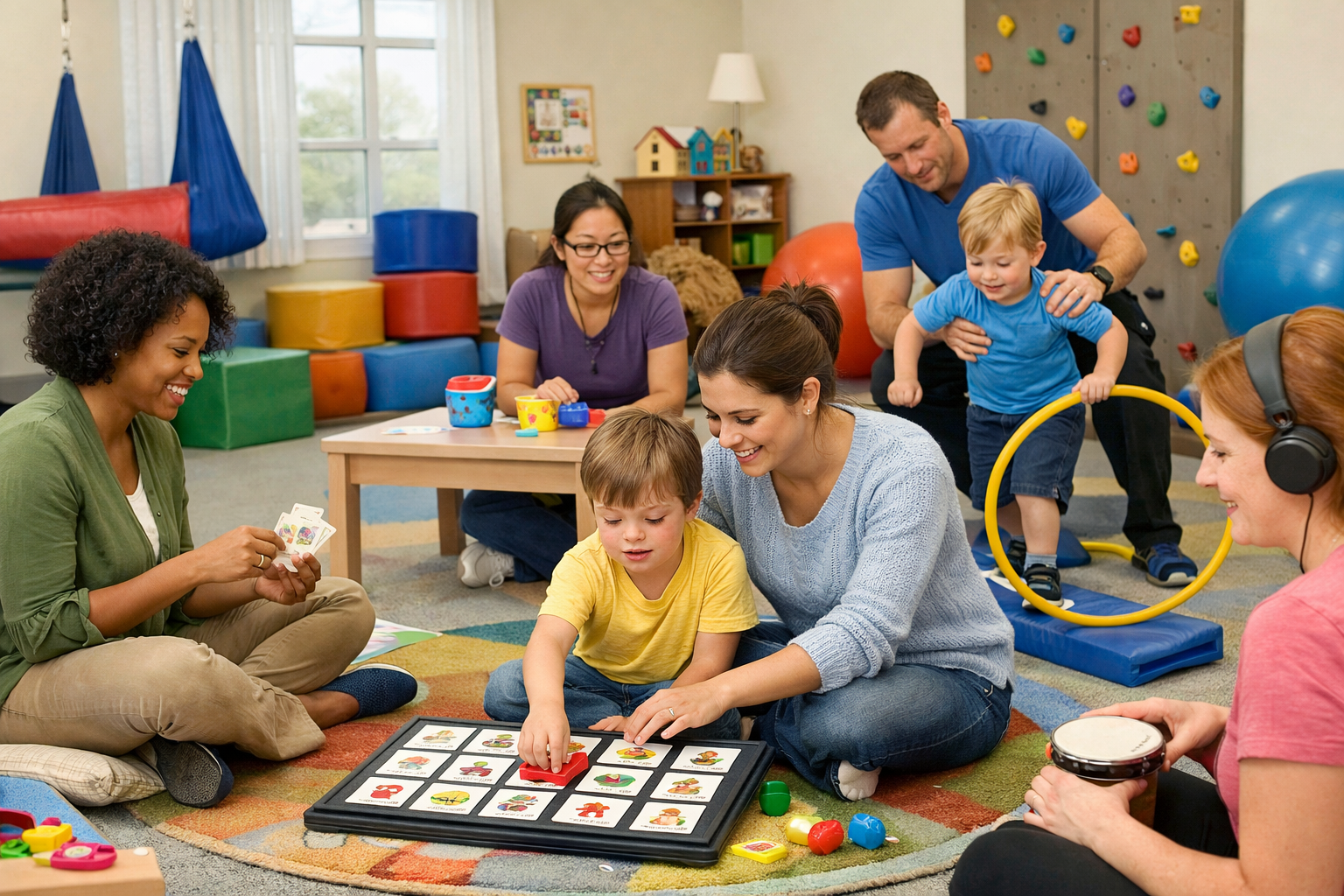
Developmental Therapy Options That Support Growth and Independence
When a child is diagnosed with a developmental disability or when early developmental concerns begin to surface, families are often faced with uncertainty, questions, and an overwhelming number of choices. One of the most common and important questions parents ask is: what type of therapy will truly help my child thrive?
For families seeking developmental therapy in California, there are many evidence-based options designed to support communication, learning, behavior, movement, and daily living skills. These services are not one-size-fits-all. Instead, developmental therapies are individualized, strengths-based, and focused on helping each child reach their fullest potential.
California offers a robust network of pediatric development services through Early Start programs, Regional Centers, schools, and community-based providers. Understanding the different therapy options can help families feel empowered, informed, and confident when navigating services.
In this guide, we’ll explain what developmental therapy is, explore the most common types of developmental therapies used in California, and show how families often combine services into a comprehensive support plan.
Understanding Developmental Therapy for Disabilities
Developmental therapy refers to a group of therapeutic services that support children with developmental delays or disabilities in building foundational life skills. These therapies focus on helping children progress in areas such as communication, movement, social interaction, cognition, and self-care.
For families asking what is developmental therapy, the simplest answer is this: it supports development across multiple domains rather than focusing on a single skill in isolation.
In California, developmental therapy is commonly provided through:
- Early Start services (birth to age 3)
- Regional Center-funded programs
- School-based supports (IEPs)
- Community development therapy centers
Services are typically family-centered, meaning caregivers are active partners in therapy planning and daily practice.
Why developmental therapy matters
Developmental therapy can:
- Support brain development during critical early years
- Reduce long-term challenges through early intervention
- Improve independence in daily routines
- Strengthen communication and social connection
- Empower families with tools and understanding
Most children benefit from a combination of developmental therapies, which work together to support whole-child development.
Common Types of Developmental Therapies in California
Below are the most widely used therapies for children with developmental disabilities, delays, or differences.
Speech and Language Therapy
Speech and language therapy supports how children communicate, verbally and nonverbally. It addresses:
- Speech clarity and sound production
- Understanding and using language
- Social communication and pragmatics
- Use of alternative or augmentative communication (AAC)
- Feeding and swallowing challenges, when appropriate
For many children, speech therapy reduces frustration and opens the door to stronger relationships and learning opportunities.
Occupational Therapy (OT)
Occupational therapy focuses on helping children participate more independently in daily activities. OT supports:
- Fine motor skills (grasping, writing, using utensils)
- Sensory processing and regulation
- Self-care tasks like dressing or feeding
- Emotional regulation and attention
Children who struggle with sensory sensitivities or transitions often benefit greatly from OT.
Physical Therapy (PT)
Physical therapy supports gross motor development and physical mobility. PT may focus on:
- Balance and coordination
- Strength and endurance
- Walking, running, or climbing skills
- Safe movement and body awareness
PT helps children gain confidence in movement and participate more fully in play and school activities.
Applied Behavior Analysis (ABA) and Behavioral Therapy
Behavioral therapies, including ABA, focus on understanding behavior and teaching new skills using structured, evidence-based strategies.
These therapies may support:
- Communication and functional language
- Social interaction
- Self-help skills
- Emotional regulation and behavior management
Parent training is often a core component, helping caregivers apply strategies consistently across environments.
Developmental Intervention and Play-Based Therapy
Developmental intervention is often what families think of when they hear developmental therapy center or development therapy center. This approach is:
- Relationship-based
- Play-focused
- Centered on everyday routines
A developmental therapist works across multiple developmental domains at once, supporting communication, cognition, social-emotional skills, and play through natural interactions.
For families asking what is a developmental therapist, the answer is a professional trained to support global development rather than one isolated skill area.
How Developmental Therapies Work Together in California
In California, children often receive multiple services through coordinated plans such as:
- IFSPs (Individualized Family Service Plans) for ages 0–3
- IEPs (Individualized Education Programs) for school-aged children
For example, a child might receive:
- Speech therapy for communication
- Occupational therapy for sensory regulation
- Developmental therapy for play and social skills
Coordination ensures therapies reinforce one another rather than working in silos.
Families are essential members of the therapy team, helping carry strategies into daily life at home and in the community.
Pediatric Development Services and Family Support
Accessing pediatric development services can feel complex, especially when navigating systems like Early Start or Regional Centers. Many families benefit from additional guidance and advocacy.
Organizations such as Families United help families across California understand their options, access services, and build confidence through:
- Developmental screenings
- Early Start services (0–3)
- Navigation services
- Navigators to Leaders program
- Regional Center intake assistance
These supports help families move from confusion to clarity.
Real-Life Impact of Developmental Therapy
The impact of developmental therapy is often seen in everyday moments:
- A child begins using words, signs, or gestures to express needs
- Transitions become easier and less stressful
- Play becomes more interactive and joyful
- Families feel more confident supporting development at home
Progress looks different for every child, but consistent, individualized therapy can lead to meaningful improvements in independence and quality of life.
Choosing the Right Developmental Therapy in California
When exploring developmental therapy options, consider these best practices:
- Follow your child’s individual needs, not just a diagnosis
- Ask about collaboration between therapists
- Stay actively involved in sessions and goal-setting
- Review progress regularly and adjust goals as your child grows
A common misconception is that more therapy is always better. In reality, the right fit, consistency, and family involvement matter most.
Counselors Who Practice From a Developmental Perspective
In addition to therapists, some counselors practice from a developmental perspective, focusing on how emotional, social, and behavioral needs evolve over time. These professionals may support:
- Emotional regulation
- Parent-child relationships
- Transitions and life changes
- Social-emotional development
This perspective complements other developmental therapies and supports whole-family well-being.
Supporting Families Through Developmental Therapy in California
Navigating developmental therapy in California can feel overwhelming, but families do not have to do it alone. With the right information, guidance, and support, parents can make informed decisions and advocate effectively for their children.
Whether you’re just beginning to explore services or adjusting an existing plan, understanding your options is a powerful first step. Developmental therapy is not about “fixing” a child, it’s about supporting growth, honoring strengths, and building skills that support lifelong participation and independence.
Developmental Therapy FAQs
What is developmental therapy?
Developmental therapy includes services that support children with developmental delays or disabilities in areas such as communication, movement, behavior, and daily living skills.
Are developmental therapy services free in California?
Many services are provided at no cost through Early Start, Regional Centers, or public schools, though insurance may be used when appropriate.
Can my child receive more than one type of therapy?
Yes. Most children benefit from a combination of developmental therapies tailored to their needs.
How early should developmental therapy begin?
The earlier therapy begins, the more effective it can be. Families are encouraged to seek evaluation as soon as concerns arise.
Do parents participate in therapy?
Yes. Family involvement is a core part of effective developmental therapy and long-term success.