
Demystifying the Regional Center Intake for Disability Support Services

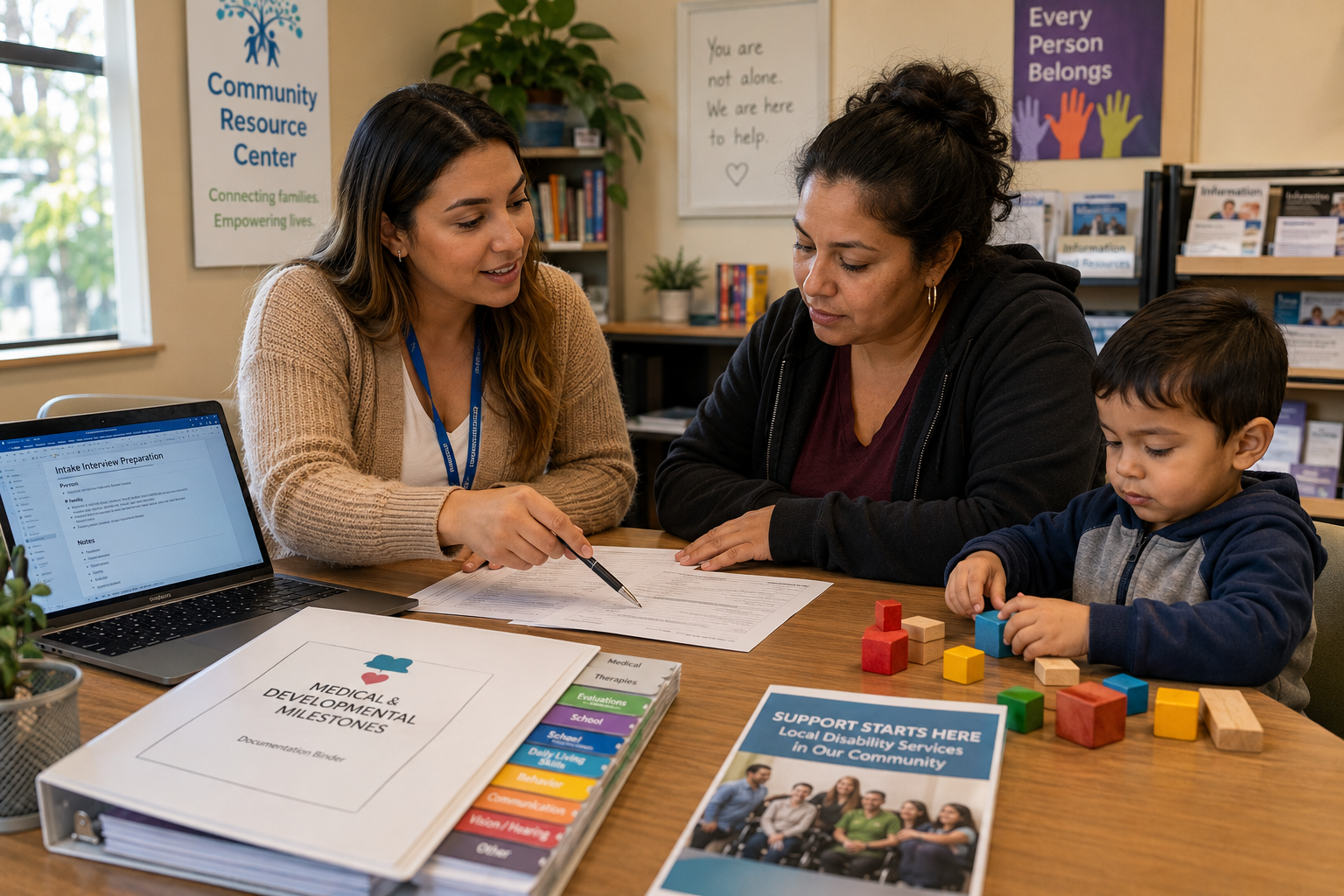
Navigating the complex world of disability support services can feel overwhelming, but securing eligibility through a California regional center is the critical first step to getting your loved one the lifelong resources they deserve. At Families United, we understand the anxiety of watching your child miss milestones while trying to decode a complicated bureaucratic system alone.
Managed by the California department of developmental services, these regional centers in California are designed to fund and coordinate vital therapies, respite care, and independent living resources.
However, the initial application and assessment process can easily stall without specialized guidance. This comprehensive guide breaks down the intake timeline, required documentation, and evaluation criteria so you can approach the system with confidence.
By understanding what to expect, you will transform from a stressed service-seeker into an empowered advocate ready to secure your family's future. Let’s dive into how the intake process works.
What is the California Department of Developmental Services (DDS)?
The California department of developmental services (DDS) is the state agency responsible for funding, overseeing, and delivering disability support services to individuals with developmental delays and disabilities. To answer what is dds in practical terms, it is the governing body that administers the Lanterman Developmental Disabilities Services Act.
Instead of providing direct care itself, this department of developmental services funds a statewide network of 21 private, non-profit organizations known as regional centers. These local hubs act as the single point of entry for community-based resources.
For families navigating a new diagnosis, understanding dds California matters because it establishes your legal right to equity and inclusion. Without these state-funded resources, families often face severe financial strain trying to pay out-of-pocket for specialized speech, occupational, or behavioral therapies.
Securing an eligibility determination from a California regional center ensures your child receives a personalized roadmap—known as an Individualized Program Plan (IPP)—backed by state funding.
To help families navigate this system early, Families United provides free developmental screenings to catch delays as soon as they appear. Once a delay is identified, our dedicated staff delivers comprehensive regional center intake assistance to help you gather documentation, prepare for interviews, and prevent the bureaucratic delays that frequently stall applications.
A common misconception is that the regional center operates like a school district or a standard medical clinic. In reality, it is a lifetime navigation partner. Securing eligibility early not only unlocks immediate early intervention services but also safeguards your child's long-term access to independent living support and employment programs as they transition into adulthood. Recognizing how this system functions sets the stage for mastering the intake process itself.
Step-by-Step Guide to the Regional Center Intake Process
Securing disability support services through a regional center requires completing a multi-step eligibility process. While the system is designed to provide comprehensive, lifelong support, navigating the bureaucracy demands organization, patience, and proactive communication.
Families United provides expert navigation services to walk beside you through every milestone of this process. Understanding each phase of the application allows you to gather the right evidence, present your child's needs clearly, and significantly reduce the risk of delays or denials from the regional centers of California.
Step 1: Initial Referral and Inquiry
The intake journey begins with an initial referral. Anyone can initiate this—a pediatrician, a preschool teacher, or you as a parent or guardian. You will contact the specific California regional center that serves your geographic county and request an intake packet.
During this initial call or online submission, you will provide basic demographic information and briefly state your areas of concern, such as speech delays, behavioral challenges, or motor skill deficits.
Step 2: Documentation Gathering and Submission
Once the intake packet arrives, you must compile a robust history of your child's development. The regional center requires documented proof of a qualifying developmental disability. You will need to submit:
- Pediatric medical records and diagnostic reports
- Psychological or behavioral evaluations
- Therapy progress notes (Speech, Occupational, or Physical Therapy)
- Existing school documents, such as an Individualized Education Program (IEP)
If your child is under the age of three, they will be evaluated under the California Early Start (0-3) program, which focuses on timely early intervention to mitigate developmental delays.
Step 3: The Clinical Assessment and Evaluation
After reviewing your documentation, the regional center will schedule a formal clinical assessment to determine eligibility. This evaluation is funded entirely by the state and comes at no cost to your family. A team of specialists—which may include psychologists, physical therapists, and speech pathologists—will observe and evaluate your child.
Common Mistake: Many parents minimize their daily struggles during the assessment out of natural protection or hope. For an accurate assessment, it is vital to describe your child's worst days, not just their best. Be completely transparent about the level of physical, emotional, and supervisory care your child requires compared to typically developing peers.
Step 4: The Eligibility Determination
By law, regional centers in California have up to 90 days from the date of your signed consent to complete the assessment and make an eligibility determination. To qualify for long-term services under the Lanterman Act (for individuals ages three and older), the individual must have a disability that originates before age 18, is expected to continue indefinitely, and constitutes a "substantial disability" in three or more major life activities (such as self-care, language, learning, or mobility).
Step 5: Developing the Individualized Program Plan (IPP)
If your child is found eligible, you will be assigned a service coordinator and schedule your first Individualized Program Plan (IPP) meeting. The IPP is a legally binding contract that outlines your child’s goals and lists the specific disability support services the regional center will fund to help meet those goals.
If your ultimate goal is to build deep advocacy skills around these complex planning sessions, our Navigators to Leaders Program teaches parents how to transition from service seekers into high-level community advocates who master the IPP and IEP processes.
Understanding Your Rights: What If You Are Denied?
If the regional center determines that your child is not eligible, you will receive a formal Notice of Action in the mail. A denial is not necessarily the final word. Families have the legal right to appeal the decision within 60 days of receiving the notice.
The appeal process typically involves an informal meeting with the intake supervisor, a mediation session, or a formal fair hearing where you can present further evidence and expert testimony to establish eligibility.
Real-World Impact of Disability Support Services and Intake Navigation
Moving from understanding the intake process to successfully applying it can completely transform a family’s daily life. Here is how specialized navigation helps local families successfully access disability support services from a California regional center in real-world scenarios.
- Early Intervention Success: The Martinez family noticed their two-year-old daughter was not vocalizing or making eye contact. Overwhelmed by waiting lists, they used our comprehensive regional center intake assistance to fast-track their application.
Through the California department of developmental services Early Start program, their daughter was diagnosed with autism and secured speech and behavioral therapies within 60 days, resulting in her speaking her first words before her third birthday.
- Overcoming a System Denial: A single mother in an underserved community applied directly to a California regional center for her school-aged son with severe ADHD and sensory processing challenges but received a denial notice.
Families United stepped in to restructure her medical paperwork, highlight the substantial functional limitations, and represent the family during the appeal meeting. The denial was successfully overturned, unlocking critical respite care and behavioral interventions that restored stability to their household.
These real-life outcomes prove that while the state-funded system is complex, utilizing targeted support ensures your family secures the essential protections and resources you are legally owed.
Insider Tips for a Successful Regional Center Application
Knowing the mechanics of the intake process is a great start, but applying a few strategic, experience-based insights can mean the difference between a swift approval and a lengthy delay. These professional best practices help families confidently secure disability support services from their local California regional center.
- Document Everything Consistently: Keep a dedicated binder for all medical records, report cards, and therapy notes. When applying to regional centers in California, having a chronological paper trail prevents administrative delays and ensures clinical evaluators see the full scope of your child's developmental history.
- Focus on Functional Limitations: During the intake assessment, clearly explain how the disability impacts daily life activities like communication, self-care, and learning. If you have already utilized our specialized navigation services, bring your customized case notes to show the intake coordinator exactly how these limitations manifest at home and school.
- Track State Regulatory Timelines: By law under dds California guidelines, the regional center must complete your child's assessment within 90 days of receiving your signed consent. Mark this date on your calendar and politely follow up with your intake coordinator every two to three weeks to keep the application moving forward.
Applying these strategic best practices keeps you firmly in control of the narrative, protecting your child's rights and speeding up their access to vital state funding.
Take Control of Your Family's Advocacy Journey
You now possess a clear, step-by-step roadmap of how the California regional center intake system operates. By understanding what is dds and mastering the documentation, assessment, and eligibility rules of the California department of developmental services, you can confidently secure the crucial disability support services your child needs to thrive.
Taking proactive action today ensures your child receives early intervention and long-term stability, dramatically improving their developmental outcomes and future independence. You do not have to figure out this complex bureaucratic network by yourself.
Let our expert advocacy team help you prepare your paperwork, understand your legal rights, and maximize your chances of a successful eligibility determination. Contact us today for personalized, 1:1 regional center intake assistance and join a network of empowered families building a brighter future.
Frequently Asked Questions About California Regional Center Services
To help you seamlessly navigate the system, here are direct answers to common questions regarding how to obtain state-funded accommodations.
How long does the regional center ca intake process take?
By law, a regional center ca has up to 90 days to finalize eligibility determinations after you sign the initial assessment consent forms. This timeline includes the clinical observations, background medical history reviews, and formal interviews.
If your infant or toddler requires immediate attention, the process under the Early Start (0-3) program is often expedited to ensure critical early intervention therapies begin without unnecessary delay.
What conditions qualify for long-term disability support services?
To qualify for long-term support from a California regional center under the Lanterman Act, an individual must have a diagnosed developmental disability that originates before age 18.
Qualifying conditions include autism spectrum disorder, cerebral palsy, epilepsy, intellectual disabilities, or disabling conditions closely related to intellectual disability. The condition must be expected to continue indefinitely and constitute a substantial functional limitation in major life activities.
Can an immigrant family access regional centers of California?
Yes, absolutely. The regional centers of California provide services regardless of the immigration status of the child or the parents. The department of developmental services ensures that all children residing in California who meet clinical eligibility criteria have equal access to support.
Families United specializes in culturally responsive, multilingual advocacy to ensure language and administrative barriers never stand in the way of your child’s legal right to care.