
What Is Fetal Alcohol Syndrome? Causes and Prevention

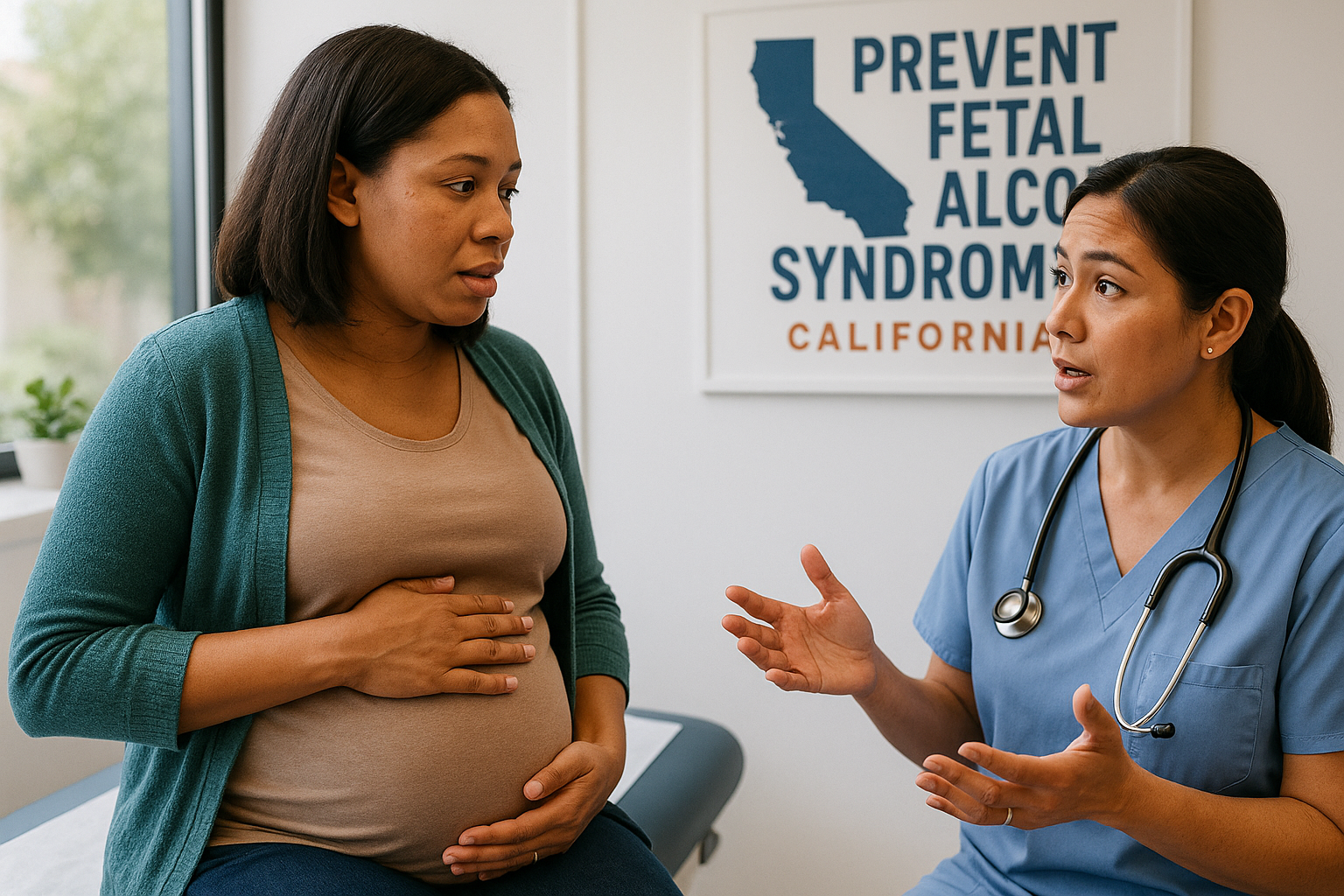
How Fetal Alcohol Syndrome Impacts Child Development in California
Many parents-to-be share a common concern: how much does prenatal health truly influence a child’s lifelong development? Among the conditions that deserve clear and accurate understanding, fetal alcohol syndrome stands as one of the most critical. This condition affects infants at birth and can shape physical, cognitive, and behavioral outcomes for many years. Families across California often hear bits and pieces of information about alcohol use during pregnancy but rarely get the full, straightforward explanation.
Understanding fetal alcohol syndrome is essential because uncertainty leads to confusion and fear. When families do not know what causes fetal alcohol syndrome or how to prevent it, they may overlook important steps that support their child’s long-term well-being. The good news is that FAS is entirely preventable. Learning the facts empowers families to make informed choices and feel confident throughout pregnancy.
By the end of this guide, you will understand what fetal alcohol syndrome is, how it develops, the symptoms associated with it, and the practical prevention steps that support healthier pregnancies in California. Let’s begin with what FAS actually means and why early awareness matters.
What Fetal Alcohol Syndrome Means for Child Development
Fetal alcohol syndrome refers to a range of physical, behavioral, and developmental disabilities caused by alcohol exposure during pregnancy. When a pregnant individual consumes alcohol, it crosses the placenta and enters the developing baby’s bloodstream. Because the fetus cannot break down alcohol the way adults do, even small amounts can interfere with brain development, cell growth, and organ formation.
Understanding FAS is important because it affects multiple aspects of a child’s growth, including learning skills, behavior regulation, and overall development. Some effects may not appear immediately at birth, making early assessments essential for identifying potential developmental disabilities that may emerge over time.
Key reasons this topic matters include:
- Supporting long-term cognitive development.
- Reducing the risk of preventable birth defects.
- Empowering families with accurate information.
- Encouraging early childhood intervention when needed.
A common myth suggests that minimal alcohol use is acceptable. Evidence consistently shows there is no known safe amount of alcohol during pregnancy. This clarity helps families make fully informed decisions and avoid the confusion caused by conflicting advice.
How Fetal Alcohol Syndrome Develops and How Families Can Respond
Understanding Key FAS Causes Better
Fetal alcohol syndrome develops when alcohol disrupts fetal development, especially in the early stages of pregnancy when major organs and brain structures form. Alcohol passes directly through the placenta, impacting the fetus more intensely than the pregnant individual. This disruption can affect neural pathways, facial growth, overall development patterns, and organ formation.
Families benefit from understanding these pathways because they highlight the biological impact of alcohol exposure. Pro Tip: Since many pregnancies are unplanned, avoiding alcohol when trying to conceive adds an extra layer of protection.
Recognizing Common FAS Symptoms Early
Early recognition is essential for securing appropriate support services for families. Symptoms may not always be obvious at birth, which is why developmental screening plays such an important role. Common signs include distinctive facial characteristics, slow growth, learning delays, and challenges with attention or impulse control.
Identifying these symptoms early enables timely access to early intervention services, which can significantly improve long-term outcomes. Pediatricians trained in developmental assessments can help distinguish FAS from other conditions and guide families toward necessary evaluations.
For families seeking structured developmental assessments, programs like developmental screening services offer valuable support.
Implementing Effective FAS Prevention Strategies
Prevention is the most powerful tool for protecting fetal development. These steps guide families through practical actions that greatly reduce risk and support a healthy pregnancy.
Step 1: Understand Alcohol’s Impact During Pregnancy
Alcohol passes from the parent to the fetus immediately, which means no trimester is safer than another. Staying alcohol-free throughout pregnancy provides complete protection. If this feels challenging, discussing local support programs early can help.
Step 2: Plan Ahead When Trying to Conceive
Planning reduces accidental exposure in the earliest stages of fetal development. Avoiding alcohol while trying to conceive ensures the fetus is protected during critical developmental windows.
Step 3: Build a Supportive Environment
Partners, family members, and friends play an important role. Creating alcohol-free spaces and choosing supportive social settings make alcohol avoidance easier. Non-alcoholic alternatives can also reduce social pressure.
Step 4: Seek Professional Guidance Early
Healthcare providers offer personalized recommendations based on individual health needs. They can also refer families to prenatal specialists, mental health resources, or community based support services when appropriate.
Step 5: Utilize California-Based Support Services
California provides strong maternal health resources, including public health programs and counseling services. Engaging early reduces stress and improves confidence throughout pregnancy.
Families looking for structured support during early childhood can access programs such as Early Start services for ages 0 to 3.
Supporting Families Facing FAS Challenges
Receiving a diagnosis can feel overwhelming. However, with the right interventions, children with FAS can thrive. Early childhood intervention, behavioral therapy, developmental services, and consistent routines provide structure and support that enhance learning and behavior.
Families in California can access disability navigation service programs, including navigation support services and leadership programs like Navigators to Leaders. These services help families understand their options and guide them through the process of obtaining long-term support.
Regional center programs also play an important role, and families can get help starting the process through regional center intake assistance.
Over time, families often find that steady support, early intervention, and consistent routines lead to meaningful progress in communication, emotional regulation, and behavior.
Real-Life Applications and How Families Use This Information
Understanding fetal alcohol syndrome has real, practical benefits. For example, expectant parents who learn accurate information early often choose alcohol-free alternatives and report more confidence during pregnancy. This choice greatly reduces the risk of FAS.
Families raising children with FAS who pursue developmental evaluations and therapy often see improvements in communication, attention, and emotional regulation. Some programs report reduced behavioral escalations when early intervention is provided consistently.
Foster and adoptive parents in California also benefit from early developmental screening, which helps them secure support sooner and build a stronger foundation for school readiness and emotional well-being.
To explore related developmental topics, families can read additional guidance such as this article on cerebral palsy causes and care.
Best Practices for Prevention and Early Support
Because FAS has lifelong impacts, consistent application of best practices is essential.
• Prioritize complete alcohol avoidance
Avoiding alcohol entirely is the only proven prevention method for fetal alcohol syndrome. Choosing supportive environments and non-alcoholic alternatives makes this easier.
• Build a trusted healthcare partnership
Regular checkups and honest conversations create clarity throughout pregnancy. Providers can also recommend prevention of developmental disabilities strategies and offer ongoing support.
• Strengthen your support network
Supportive partners, friends, and relatives reduce stress and help maintain consistency.
• Seek developmental evaluations early if concerned
Early screening supports early intervention services that significantly improve outcomes. Programs offering developmental screening help families begin this process.
• Use California’s local resources
Community based support services and early childhood resources strengthen confidence and ensure families feel supported during pregnancy and early development.
Building Confidence Through Knowledge and Prevention
Fetal alcohol syndrome is a fully preventable condition, and understanding how it develops gives families the power to protect their child’s future. With accurate information, strong support systems, and early professional guidance, expectant parents can create the healthiest possible path forward.
Applying even a few of the prevention strategies described here provides meaningful protection. Staying informed, supported, and proactive ensures long-term benefits for children and helps families build a foundation for healthier development.
Frequently Asked Questions About Fetal Alcohol Syndrome
Is fetal alcohol syndrome completely preventable?
Yes. Avoiding alcohol throughout pregnancy prevents fetal alcohol syndrome. Because alcohol crosses the placenta and affects fetal development, complete abstinence ensures long-term protection. Resources such as the CDC and Mayo Clinic reinforce this guidance.
How is fetal alcohol syndrome diagnosed?
Diagnosis involves evaluating physical features, growth patterns, and developmental progress. Pediatricians, geneticists, and developmental specialists may work together. Guidance from organizations like the NIH provides additional information.
Can a small amount of alcohol cause fetal alcohol syndrome?
There is no known safe level of alcohol during pregnancy. Even small amounts may affect development. Families seeking clarity can reference information summaries from the March of Dimes.
What are the long-term effects of fetal alcohol syndrome?
Possible long-term effects include developmental disabilities, learning delays, behavioral challenges, and difficulties with emotional regulation. Early intervention services can significantly improve outcomes.
Where can families find support in California?
Families can access county health departments, early intervention programs, school district supports, regional center programs, and navigation services. Programs such as navigation services and Early Start support provide guidance and community resources.