
What Is Global Developmental Delay?

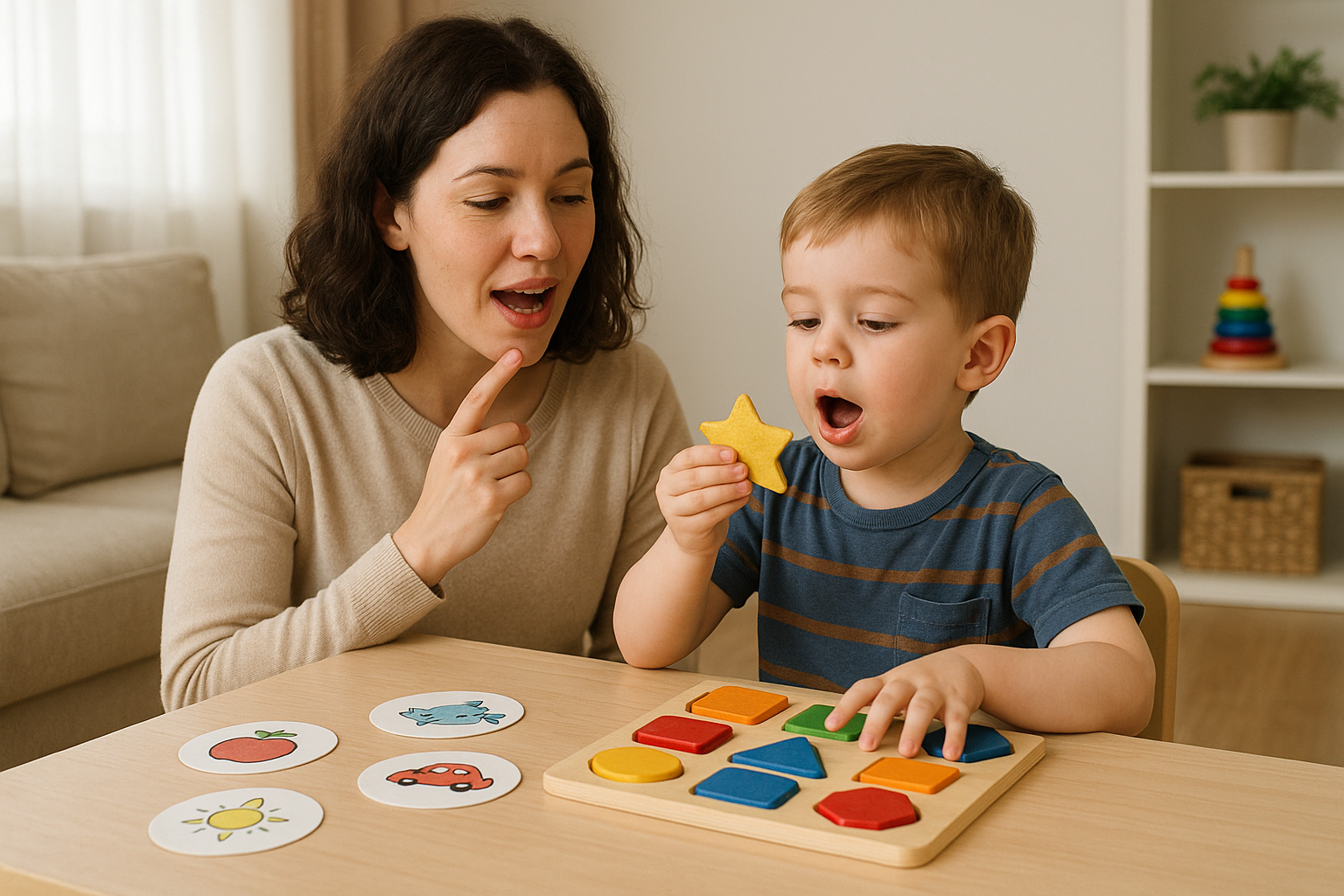
When your child isn’t hitting milestones at the same pace as peers, it can feel confusing and worrying. Global developmental delay (GDD) describes a significant lag in two or more developmental areas (for example, language, motor skills, cognition, or social interaction) in children typically under five years old. This guide explains what GDD looks like, why it happens, how it’s diagnosed, and what supports — especially in California — can help your child thrive.
Why Understanding Global Developmental Delay Matters
Early development lays the foundation for learning, social skills, and independence. Identifying GDD early means you can access early intervention services that help strengthen skills when the brain is most adaptable. Timely support reduces frustration for children and caregivers and often improves long-term outcomes.
Key benefits of early action:
- Faster developmental progress and better school readiness
- Targeted therapies tailored to your child’s strengths and needs
- Access to community and regional supports for families
What Exactly Counts as Global Developmental Delay?
GDD is used when a child shows significant delays in two or more developmental domains compared with typical age expectations. Common domains include:
- Speech and language
- Cognitive/problem-solving skills
- Gross and fine motor skills (movement and coordination)
- Social and emotional development
- Daily living skills (self-care)
Clinicians typically diagnose GDD in young children (under 5), because older children can often receive a more specific diagnosis (for example, intellectual disability or autism spectrum disorder).
Early Signs Parents Often See
Parents usually notice early indicators during everyday routines. Signs that might suggest GDD include:
- Late babbling, limited words, or slow vocabulary growth
- Difficulty sitting, crawling, walking, or poor coordination
- Trouble solving simple problems for age (puzzles, cause-and-effect)
- Limited social smiling or difficulty engaging with caregivers
If you notice these signs, request a developmental screening — quick, standardized checks that flag whether a full evaluation is needed. California families can begin with a local developmental screenings appointment to learn the next steps.
How Is Global Developmental Delay Diagnosed?
Diagnosis is a stepwise process:
- Developmental screening (brief standardized tools) — often done in primary care or community programs. Free or low-cost screenings may be available; check your local providers for a free developmental screening option.
- Comprehensive developmental evaluation — with specialists (developmental pediatricians, child neurologists, psychologists, or multidisciplinary teams).
- Medical and genetic testing — to look for underlying causes such as genetic conditions, metabolic issues, or prenatal factors.
- Therapy recommendations and eligibility determinations — including referrals to early childhood intervention and regional services.
If you need help navigating these steps in California, Families United’s navigation services can assist with intake, referrals, and next steps.
Common Causes and Risk Factors
GDD may result from many factors, sometimes identifiable and sometimes not:
- Genetic or chromosomal conditions (e.g., fragile X, chromosomal anomalies)
- Prenatal exposures or complications (infections, toxin exposure)
- Birth complications or low birth weight
- Neurological conditions or seizures
- Environmental factors (severe neglect, limited stimulation)
- In many cases, no clear cause is found — but that doesn’t limit access to effective therapies
Knowing possible contributors helps guide medical testing and therapy planning.
Typical Treatment Approaches and Services
There’s no single “cure” for GDD, but a combination of therapies can significantly improve functioning:
- Early intervention services (therapy for infants and toddlers) — these are critical and should start as soon as possible. California’s Early Start program connects eligible children to services; learn more about enrolling through the Early Start (0–3) page.
- Speech and language therapy — for communication and feeding concerns.
- Occupational therapy — to build fine-motor skills, sensory processing, and daily living skills.
- Physical therapy — for gross motor delays and mobility (see physical therapy for developmental delay approaches).
- Behavioral supports and special education planning — as children approach school age.
- Parent coaching and family-centered care — to embed practice into daily routines.
Often multiple therapies are combined to form an individualized plan that targets the child’s primary needs.
Regional and Family Support in California
California families have access to regional resources that coordinate services and long-term supports. If you’re pursuing regional services, Families United offers regional center intake assistance to help with eligibility and enrollment. Family leadership and advocacy programs such as the Navigators to Leaders program also provide training and peer support for caregivers.
Practical Home Strategies That Make a Difference
Small, consistent practices often produce big gains:
- Embed brief therapy activities into daily routines (mealtime, dressing, play).
- Use simple, repetitive language and expand your child’s spoken phrases.
- Practice gross motor play (obstacle courses, climbing) to support mobility.
- Celebrate progress — reinforcement and positive feedback matter.
- Keep a short log of milestones and concerns to share with providers.
Frequently Asked Questions
1. What is the difference between developmental delay and developmental disability?
A developmental delay means a child is behind typical milestone timelines and may catch up with intervention. A developmental disability is usually a longer-term condition that affects functioning across life domains. Delays can sometimes resolve; disabilities are more persistent. Ongoing evaluation helps determine which applies. (For an in-depth discussion, see resources linked below.)
2. When should I request a developmental screening?
Request screening anytime you have concerns. Pediatricians typically screen at well-child visits, but if you notice delays between visits, ask for a screening sooner. California families can access developmental screenings locally.
3. Do early intervention services really help?
Yes — early intervention services and early childhood intervention maximize developmental gains when started young. The earlier services begin, the better the potential outcomes for learning and independence.
4. What role does physical therapy play?
Physical therapy for developmental delay focuses on gross motor skills, balance, and coordination. For children with mobility or motor planning issues, PT can improve strength, posture, and participation in play.
5. Where can families find support services and guidance?
Start with a developmental screening and connect with local navigation or regional center supports. Families United’s navigation team offers assistance with referrals and service planning: navigation services.
When to Seek Immediate Help
Seek an evaluation right away if you notice:
- Loss of previously acquired skills (regression)
- No babbling or pointing by 12 months, no single words by 16 months, or no meaningful two-word phrases by 24 months
- Significant feeding or breathing concerns
- Seizure activity or dramatic changes in behavior
Early assessment speeds access to intervention and supports.
Helpful Resources & Next Steps
- Start with a developmental screening: Families United provides local screening appointments: developmental screenings.
- Explore Early Start (0–3) services for eligible infants and toddlers: Early Start (0–3).
- Need assistance navigating services or regional centers? Contact navigation services or request regional center intake assistance.
- For family leadership and advocacy training, consider the Navigators to Leaders program.
- For authoritative medical and public health information on developmental conditions, see the CDC, NIH, and Mayo Clinic resources: CDC, NIH, Mayo Clinic.
- For reading on related neurodevelopmental conditions, Families United’s post on intellectual disability offers helpful context: intellectual disability: causes, diagnosis, support.
Final Thoughts
Global developmental delay can be unsettling to face, but early recognition and coordinated supports make a meaningful difference. Start with a screening, connect with regional and early intervention services, and use family-centered strategies to build skills day by day. You’re not alone — practical supports and community resources in California are available to guide you and your child toward better outcomes.
If you’re ready to take action, consider scheduling a developmental screening and asking about regional center supports and early intervention services today.