
Creating a Legacy: Justice First Advocacy and Active Community Support

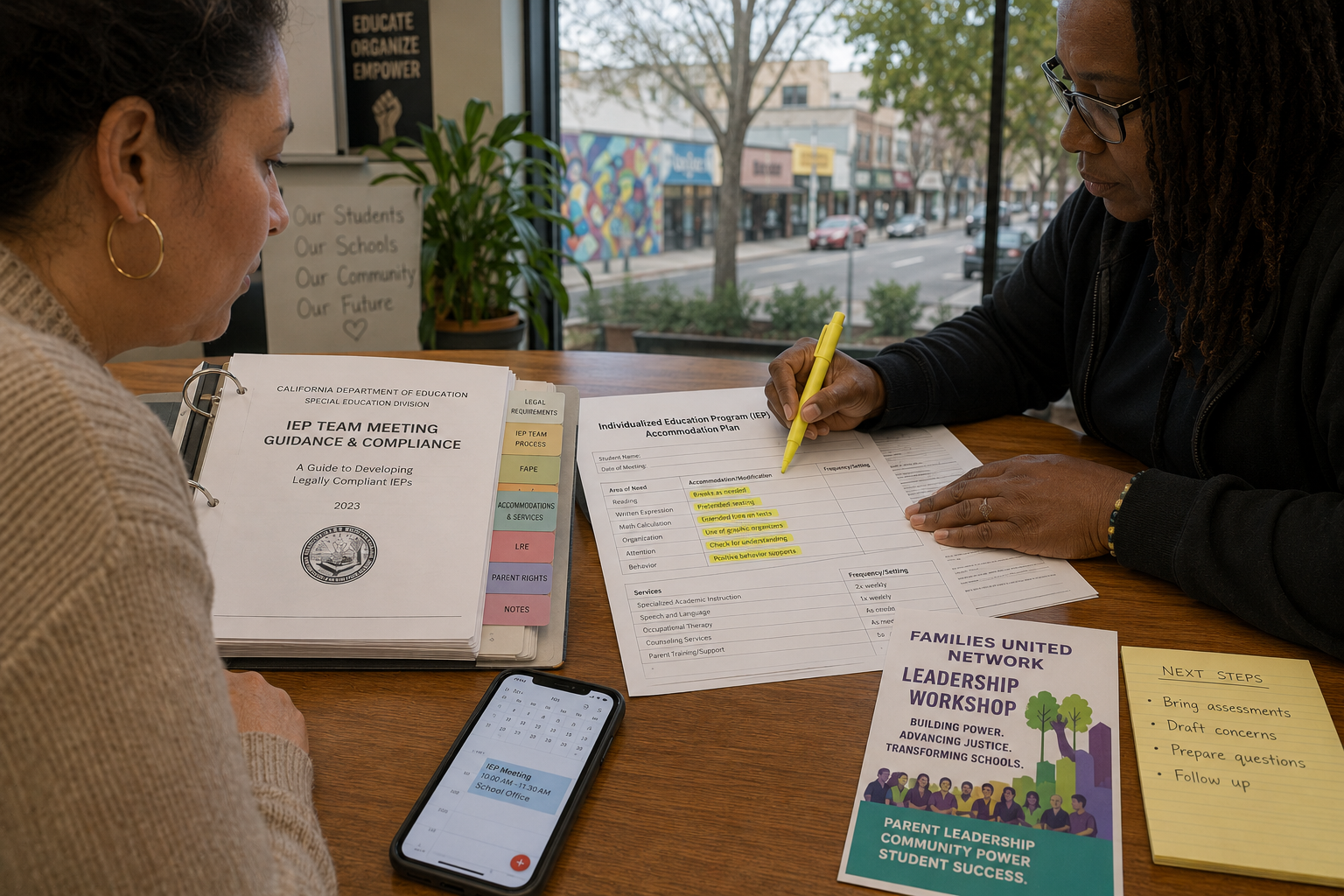
Securing institutional equity through targeted justice first advocacy is the most effective way for vulnerable families to protect their children from systemic discrimination and educational exclusion. When a child with developmental delays faces hidden biases or a lack of classroom accommodations, parents often feel overwhelmed trying to protect their basic civil liberties alone.
Without expert community support or guidance from an established civil rights law firm oakland ca, families face the painful reality of institutional neglect, unfair school disciplinary actions, and restricted access to vital state funding.
By reading this guide, you will understand how community-driven justice first advocacy safeguards your child's legal rights, how strategic partnerships challenge structural barriers, and how local grassroots initiatives empower everyday citizens to lead.
Let's look at how focused legal and educational protections safeguard your family’s future and explore how to transform local resources into powerful tools for systemic change.
The Core Principles of Justice First Advocacy
In its truest sense, justice first advocacy is a targeted legal and social framework that protects vulnerable individuals from systemic discrimination by placing civil rights and equal access at the center of institutional decision-making.
Operating through direct legal counsel, policy reform, and grassroots support, this model works to hold school districts, government bureaus, and private entities accountable when they infringe upon an individual's protected rights.
For families facing developmental delays, specialized civil rights advocacy Oakland initiatives provide the institutional pressure necessary to secure mandatory state accommodations and defeat structural implicit bias.
For everyday citizens and working families, understanding these protective models is vital to defending your household’s security and long-term equity. When large public systems fail to implement mandatory accommodations, families often experience severe emotional exhaustion and financial loss trying to resolve these disputes without professional backing.
Utilizing robust justice first advocacy establishes a protective shield against institutional overreach and ensures your family receives fair treatment under federal and state regulations. If you suspect your child is being unfairly denied early structural support, arranging for professional developmental screenings provides the objective data required to build a rock-solid, evidence-based case for inclusion.
Partnering with an established social equity network offers clear, practical advantages:
- Enforces Protected Legal Rights: Utilizing focused civic models forces public school boards to adhere strictly to mandatory accessibility and inclusion codes.
- Simplifies Intricate State Systems: Professional guidance takes the mystery out of complex bureaucratic intake procedures. Our step-by-step navigation services bridge this gap, helping caregivers secure necessary resources without administrative delays.
- Transforms Service Seekers into Community Leaders: Structured peer education empowers everyday parents to confidently represent their neighborhoods in public policy sessions.
A common misconception is that standard public institutions will naturally look out for your child's best interests on their own. In reality, public systems frequently balance tight fiscal budgets by restricting access to high-level care, making independent, assertive representation your absolute best asset for securing justice.
Navigating the Pillars of Oakland Justice Advocacy
Dismantling institutional barriers requires a comprehensive, strategic approach that blends dedicated legal protections with sustained grassroots action. When public bureaus or school boards implement restrictive policies, families cannot rely on passive compliance; they must leverage organized civic pressure to protect their basic human liberties.
By examining the operational layers of localized justice first advocacy, parents and caregivers can identify the exact legal and community mechanisms required to enforce equity and secure accountability for their children.
1. Dedicated Civil Rights Representation and Strategic Litigation
At the foundation of systemic reform is the ability to enforce existing anti-discrimination laws through targeted legal actions. An experienced oakland civil rights law firm operates as a critical line of defense for families whose civil protections have been openly violated.
These specialized legal teams step in to handle severe cases of systemic bias, institutional exclusion, and illegal denials of public accommodation. By filing strategic compliance complaints and holding public agencies accountable in court, legal professionals ensure that statutory mandates are translated into real-world protections.
2. Expert Grassroots Educational Advocacy
While high-level litigation handles severe legal violations, everyday systemic battles are fought in local school district boardrooms during Individualized Education Program (IEP) and Individualized Program Plan (IPP) sessions.
Specialized Oakland justice advocacy networks provide on-the-ground support by deploying seasoned specialists to attend these high-stakes meetings alongside parents. This hands-on advocacy ensures that school districts do not weaponize dense administrative codes to deny children vital speech therapies, behavioral technicians, or inclusive classroom placements.
Utilizing our targeted regional center intake assistance provides parents with the immediate tactical backing required to challenge unfair state eligibility denials.
3. Culturally Responsive Community Organizing
True systemic change cannot happen from the top down; it must be firmly rooted within the diverse neighborhoods being served. Effective civil rights advocacy oakland initiatives prioritize culturally responsive organizing to ensure that language barriers, socioeconomic status, and cultural differences never block access to essential resources.
Community groups host local language-accessible workshops, provide free legal clinics, and establish peer-to-peer support systems that foster true solidarity. This localized footprint ensures that underserved urban centers are actively protected and equipped to confront systemic injustices together.
4. Scalable Leadership Training for Everyday Citizens
The ultimate goal of any enduring equity movement is to create a self-sustaining ecosystem of neighborhood advocates. By teaching parents the exact legal codes that govern disability rights and public resource distribution, community groups build a powerful, decentralized safety net.
To see this operational model in action, exploring our flagship navigators to leaders program shows how everyday caregivers are systematically trained to become professional-grade community leaders. This structured preparation guarantees that local neighborhoods retain the internal strength to advocate for fair public policies for generations to come.
Strategic Compliance Note: The intersection of community work and civil litigation is perfectly illustrated by prominent legal professionals like jennifer huang and huang jenny alongside civil rights attorneys like chi chin. These practitioners demonstrate how independent legal advocacy groups and community-centered organizations can successfully unite to challenge structural inequities across northern California.
Understanding these operational pillars allows you to approach complex public systems with an effective strategy. If your child is just entering the public system, utilizing our specialized early start 0-3 resources provides a rock-solid, evidence-based foundation to ensure proper development and prevent early administrative exclusion.
Justice First Advocacy in Action: Real-World Case Studies
Examining how local families actively utilize structured legal and educational protections demonstrates the practical power of community-backed civil rights defense. These real-world examples highlight how families successfully navigate complex administrative systems to secure tangible results and long-term equity.
- The School Inclusion Success: A family in Northern California discovered that their local school district was systematically placing their autistic son in an isolated, understaffed classroom against explicit medical recommendations.
Seeking to challenge this clear civil rights violation, they partnered with an independent network specializing in justice first advocacy Oakland initiatives to review the school's legal obligations.
The advocacy team accompanied the parents to a high-stakes emergency IEP meeting, using statutory inclusion codes to force the district to place the child back into a general education classroom with a dedicated one-on-one aide. This coordinated intervention prevented long-term academic isolation and restored the child’s right to a fair, appropriate public education.
- Overcoming Language Barriers: A primary language Spanish-speaking mother in Alameda County was repeatedly ignored by state coordinators while attempting to access respite care for her daughter.
She connected with a regional justice Oakland community coalition that specialized in culturally responsive social defense. The organization deployed a bilingual specialist to provide comprehensive navigation services, helping the mother file a formal compliance complaint with state oversight boards.
Backed by professional representation, the public agency quickly authorized the family's full respite allocation, ensuring the daughter received proper care while reducing household stress.
These successful outcomes show that strategic, community-centered justice first advocacy creates measurable improvements in systemic equity. By utilizing these same structured methods, your household can successfully challenge institutional bias and protect your child's developmental future.
Practical Strategies for Navigating Legal and Educational Systems
Transitioning from a general understanding of civic rights to managing an active legal or educational dispute requires moving from theory into practical, organized action. Applying these field-tested advocacy strategies ensures your family can effectively partner with an Oakland civil rights law firm or a localized parent coalition to defeat systemic barriers.
- Maintain a Centralized, Written Communication Log: Verbal assurances from school administrators or state case workers are incredibly difficult to verify during a formal hearing.
Follow up every single telephone conversation or in-person meeting with a concise, professional summary email to establish a clear paper trail. This consistent documentation keeps public institutions completely accountable and prevents vital service agreements from being forgotten.
- Request All Educational Records Prior to Core Meetings: Walking into a high-stakes IEP or IPP review session without seeing your child's data beforehand places your family at a severe disadvantage.
Request complete copies of all school evaluations and behavioral logs at least five business days before the meeting date. Reviewing these files early allows you to spot hidden instructional biases and plan your counter-arguments.
- Vet Legal Counsel Based on Local Civil Rights Expertise: General practice lawyers often lack the specialized knowledge required to successfully win highly niche disability discrimination cases.
If your household requires formal court representation, partnering with an established civil rights law firm Oakland ensure your legal team thoroughly understands regional compliance codes. Niche expertise dramatically improves your chances of securing a favorable, legally binding settlement.
- Build Direct Connections With Local Parent Advocates: Decoding dense state statutes completely alone can easily lead to severe emotional burnout and missed application deadlines.
Joining a structured, community-driven resource network, such as our flagship navigators to leaders program, pairs you with seasoned mentors who have already successfully fought similar battles. This collective neighborhood knowledge helps you discover hidden public programs and specialized local resources.
Implementing these organized, proactive habits safeguards your child’s future and transforms complex legal procedures into a highly manageable, successful blueprint for systemic equity.
Secure Your Family’s Future Through Justice First Advocacy
Embracing dedicated justice first advocacy is the most reliable way to dismantle systemic biases and protect your child from unfair educational exclusion or administrative neglect.
You now understand how to systematically document civil rights violations, maintain a foolproof communication log with public entities, and partner effectively with specialized local advocacy groups to enforce structural accountability.
Armed with these practical, community-centered defense strategies, you can confidently navigate high-stakes IEP meetings and regional administrative hearings to secure the precise care plans your child requires to thrive.
Taking immediate action to defend your child’s legal rights ensures they receive a fair, appropriate foundation for the future while protecting your entire household from institutional overreach and emotional burnout.
When you are ready to challenge discriminatory boundaries, access professional legal backing, and secure a trusted ally for your next regional eligibility review, turn to Families United to receive expert regional center intake assistance.
Frequently Asked Questions About Oakland Civil Rights and Advocacy
What is the primary focus of justice first advocacy?
The primary focus of justice first advocacy is to protect vulnerable individuals from systemic inequality and discrimination by enforcing their constitutional and civil rights within public systems. This specific framework focuses intensely on educational equity, public accommodation access, and administrative accountability.
By providing direct community backing, it ensures that public school boards and state-funded entities strictly adhere to mandatory non-discrimination codes.
When should a family contact an Oakland civil rights law firm?
A family should contact an Oakland civil rights law firm immediately if a public school or state agency explicitly violates federal disability laws, inflicts discriminatory disciplinary actions, or illegally denies mandatory classroom accommodations.
When institutional bias cannot be resolved through standard administrative channels, professional legal representation is necessary. Engaging localized civil rights advocacy Oakland specialists ensures your child’s legal rights are protected through formal statutory compliance measures.
How do community programs support local oakland justice advocacy?
Community programs support oakland justice advocacy by translating complex legal rights into accessible, culturally responsive neighborhood resources. Local coalitions host free legal clinics, provide translation assistance, and deploy trained volunteers to sit in on intimidating school board reviews.
To see how these community-driven efforts scale up, our specialized navigators to leaders program trains everyday parents to become professional civil advocates who can successfully fight systemic bias across the region.
Can independent advocates help resolve disputes without a civil rights law firm oakland ca?
Yes, independent advocates can absolutely resolve most school and regional center disputes without involving a formal civil rights law firm oakland ca. Experienced non-profit specialists excel at using direct mediation and structural compliance codes to overturn unfair eligibility denials during IEP or IPP reviews.
Utilizing independent justice first advocacy networks allows families to secure their necessary accommodations quickly and efficiently, bypassing the high costs and lengthy timelines of formal court litigation.