
Navigating Disability Resources: How Families Access Essential Support Services

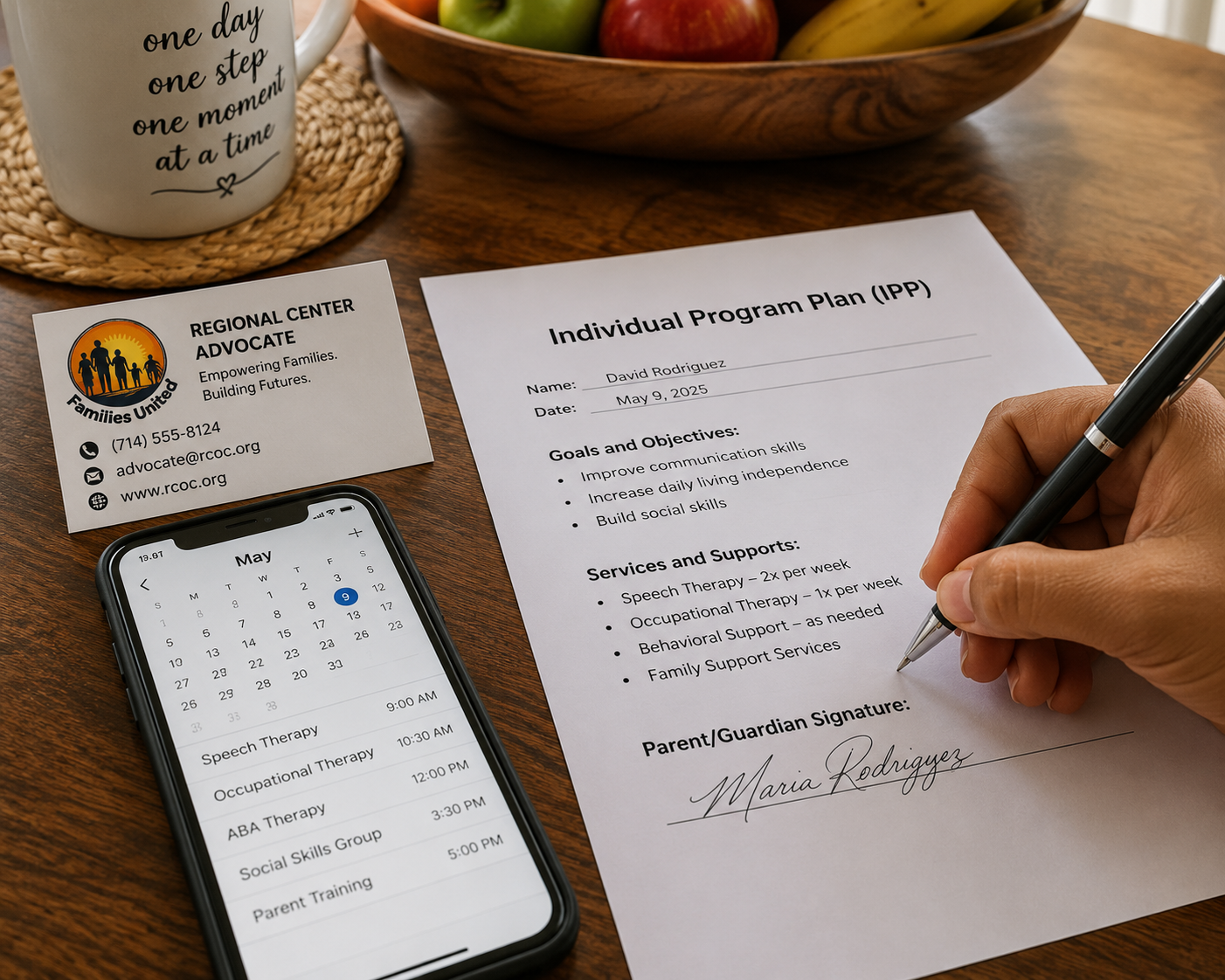
Finding the right disability resources starts with understanding that you don't have to navigate complex state and educational systems alone. For many parents, the moment they notice a developmental delay, the immediate priority is securing professional individual advocacy to ensure their child receives every available opportunity for growth.
Without a clear roadmap, families often face the consequence of delayed interventions or missed funding, which can impact a child’s long-term independence and a family's financial stability. Accessing the right disability services and legal center support early on is the most effective way to protect your loved ones' rights and secure a stable future. In this guide, you will gain a clear understanding of the California support landscape, learn how to identify qualified advocates for access, and discover the specific steps to take for successful regional center intake.
Let’s explore the essential pillars of support that turn systemic complexity into a clear path forward for your family.
Defining Disability Resources and Why They Matter for Your Family
In the context of developmental support, disability resources refer to the specialized network of state-funded programs, educational supports, and legal frameworks designed to ensure individuals with disabilities lead fulfilling, inclusive lives. These resources aren't just a list of phone numbers; they are a mechanical set of tools, ranging from early intervention services to systemic protection and advocacy for persons with disabilities, that provide the necessary infrastructure for equity. Practically, this means accessing the specific funding and personnel required to provide a child with a fair and appropriate education or a resident with long-term care coordination.
For California families, understanding these systems is critical because the developmental disability landscape is highly regulated and time-sensitive. Missing a window for regional center intake assistance or failing to understand your rights during an IEP meeting can result in a loss of thousands of dollars in services and years of lost progress for a child. When you leverage professional disability resources, you aren't just "getting help", you are securing a legal and social safety net that protects your family's future and reduces the daily stress of navigating bureaucracy alone.
Utilizing specialized support offers several immediate benefits:
- Reduced Bureaucratic Friction: Professional guidance helps you bypass the common "wait-and-see" delays that often stall service delivery.
- Access to Experts: You gain a direct connection to a qualified disability provider who understands the nuances of state funding and local service codes.
- Informed Decision-Making: With clear data from developmental screenings, you can make choices based on facts rather than fear.
A common mistake is assuming that these services are only for "severe" cases or that the school district will automatically provide everything required. In reality, the system is designed for those who actively advocate for their needs, which is why having a structured plan is essential.
The Essential Roadmap for Accessing California Disability Resources
To successfully secure the highest quality of care, you must understand how the different layers of the state and federal support systems interact. Relying on specialized disability resources ensures that you are not just checking boxes, but building a comprehensive support network tailored to your family's unique needs. By following a structured approach to navigation services, you can move from the initial discovery of a delay to long-term stability with confidence.
1. Identify Your Entry Point: The Regional Center System
In California, the primary gateway for developmental support is the Regional Center. This is a private, non-profit organization contracted by the Department of Developmental Services (DDS) to provide or coordinate services for individuals with developmental disabilities.
- Determine Eligibility: The first step is determining if an individual meets the criteria under the Lanterman Act. This usually involves showing a disability that originated before age 18 and is expected to continue indefinitely.
- The Intake Process: This involves a series of assessments. Many families find that having a regional center advocate during these initial meetings helps ensure that the full scope of a child's or adult's needs is documented accurately from the start.
2. Secure Legal and Educational Protections
Beyond the Regional Center, your family will interact with the public school system and federal mandates like the Americans with Disabilities Act (ADA). This is where ada advocacy becomes essential to ensure physical and digital environments are accessible, and that "fair and appropriate" education is actually being delivered.
- The IEP/IPP Process: Whether it is an Individualized Education Program (IEP) at school or an Individualized Program Plan (IPP) at the Regional Center, these are legally binding contracts.
- Expert Oversight: If you encounter resistance or complex legal hurdles, seeking advice from an office of clients rights advocacy can provide the necessary legal weight to resolve disputes. For those in specific metropolitan areas, such as someone needing a disability rights attorney in Los Angeles, specialized legal counsel can ensure that local school district or state policies are being followed to the letter.
3. Transition from Service-Seeker to Leader
While immediate support is the priority, the long-term goal for many families is systemic change. By participating in programs like the navigators to leaders program, you transition from someone navigating the system to someone who can lead others through it.
- Individual Advocacy: Start by mastering the specifics of your own case.
- Community Leadership: Use your lived experience to advocate for better local policies and increased funding for disability resources.
4. Utilize Early Intervention for Maximum Impact
The most effective way to change a child's developmental trajectory is through early intervention. Research consistently shows that the earlier a child receives specialized support, the better their long-term outcomes.
- Screening and Referrals: Utilize early start (0-3) programs to address delays as soon as they are identified.
- Consistency: Ensure that therapy and support are consistent across home and school environments.
By treating the search for disability resources as a strategic process rather than an emergency response, you protect your family's energy and ensure that no essential service is overlooked. This structured approach allows you to focus on what matters most: the growth and well-being of your loved one.
Putting Support into Action: Real-World Use of Disability Resources
Understanding the theory behind state systems is the first step, but seeing how these disability resources function in everyday life can help you visualize the path forward. These scenarios illustrate how families effectively leverage support to overcome common hurdles and secure better outcomes.
- Scenario A: The Early Intervention Path. A family in a rural area noticed their two-year-old was not speaking and felt overwhelmed by the lack of local specialists. By utilizing early start (0-3) services, they were connected to a remote navigation team that coordinated local speech therapy and a regional center evaluation. As a result, the child began receiving twice-weekly sessions within thirty days, significantly improving their communication skills before preschool.
- Scenario B: Securing Classroom Equity. A mother felt her son’s school was not following his IEP, leaving him frustrated and falling behind in reading. She sought out accessibility advocates who helped her document the school's non-compliance and prepare for a formal resolution meeting. With this individual advocacy, the school agreed to provide specialized reading software and one-on-one support, leading to a measurable increase in the student's reading level and confidence.
- Scenario C: Navigating Complex Benefits. An adult with a developmental disability was facing a sudden reduction in their state-funded respite hours. They contacted an office of clients rights advocacy to review their file and represent them at an appeal hearing. The intervention successfully restored their full hours, ensuring they maintained their independence and safety at home.
These examples show that whether you are dealing with early delays or complex legal disputes, the right support system makes a tangible difference. By applying these methods, your family can navigate even the most challenging bureaucratic systems with success.
Expert Advice for Maximizing Your Use of Disability Resources
Applying professional strategies is the difference between simply knowing that disability resources exist and actually making them work for your family’s unique situation. These experience-based insights will help you navigate the system with greater efficiency and ensure no support is left on the table.
- Organize a Comprehensive Documentation Trail Create a centralized digital or physical file for all evaluations, IEPs, and correspondence with any disability provider. Having these records organized allows you to provide immediate proof of need during intake meetings, which can prevent repetitive assessments and speed up the approval process for new services.
- Prepare a One-Page "Profile of Needs" Before meeting with a school or state agency, draft a concise summary of the individual’s strengths, challenges, and goals. This helps advocates for access quickly understand the "human side" of the case beyond just the medical codes, ensuring that the services authorized are truly relevant to daily life and long-term potential.
- Verify Eligibility for Specialized Programs Early Don't wait for a crisis to check your standing with state entities. Engaging with regional center intake assistance as soon as a diagnosis is confirmed ensures that you are already in the system when transition-age services or respite needs arise.
- Leverage Peer-to-Peer Networks for Insider Knowledge Often, the best information about local providers comes from other families. Joining a network of accessibility advocates can help you identify which local therapists have the shortest waitlists or which school districts are the most collaborative, saving you months of trial and error.
Mastering these practical habits ensures you remain in control of the navigation process, leading to faster approvals and more robust support for your loved ones.
Securing Your Family’s Future with the Right Disability Resources
You now have a clear roadmap for identifying, accessing, and maximizing the disability resources available to your family in California. By understanding the roles of the Regional Center, the school district, and the legal protections afforded by ada advocacy, you can transition from feeling overwhelmed to acting with authority and precision. Whether you are coordinating with a disability provider or seeking specialized support for an IEP, you are now equipped to navigate these systems as an informed and effective advocate.
Taking action today is the most effective way to ensure your loved one receives the "Style, Comfort, and Protection" of a robust social and educational safety net. Securing these essential services early not only improves long-term developmental outcomes but also provides your family with the stability and peace of mind you deserve. To further enhance your advocacy skills, consider joining our navigators to leaders program to connect with a community of dedicated change-makers.
If you are ready to begin this journey and need personalized guidance through the bureaucratic landscape, contact our team today for professional navigation services tailored to your family's needs.
Frequently Asked Questions About Disability Resources
How do I begin the process of accessing disability resources in California?
The process begins with a formal referral to your local Regional Center, which is the primary gateway for state-funded support. For children under three, this typically involves early start (0-3) services to address immediate developmental delays. Once a referral is made, the center has a specific timeline, usually 45 to 120 days, to complete an eligibility assessment. Taking this first step early ensures your family is positioned to receive essential services as quickly as possible.
What is the role of an office of clients rights advocacy?
An office of clients rights advocacy (OCRA) provides free legal assistance and protection and advocacy for persons with disabilities who are clients of a Regional Center. These advocates are independent of the center and can help resolve disputes regarding service denials, healthcare access, or educational rights. If you feel your rights are being overlooked, an advocate from this office can provide the legal expertise needed to ensure your voice is heard and your services are restored.
Can a regional center advocate help with school-based IEP meetings?
Yes, a regional center advocate or an independent disability provider can provide critical support during Individualized Education Program (IEP) meetings. They ensure that the school’s goals align with the regional center’s Individual Program Plan (IPP), creating a unified strategy for the student’s success. Having a professional advocate present helps parents navigate complex educational codes and ensures that "fair and appropriate" accommodations are not just promised, but legally documented and implemented in the classroom.
How does individual advocacy differ from systemic protection and advocacy?
Individual advocacy focuses on securing specific services, funding, or legal rights for one person or family, such as fighting for a specific therapy at an IEP meeting. In contrast, systemic protection and advocacy for persons with disabilities works to change laws and policies that affect the entire community. Both are vital; while individual support solves immediate problems, systemic work ensures that disability resources remain accessible and equitable for all American families in the long term.