
Planning for Independence: Programs for Special Needs Adults

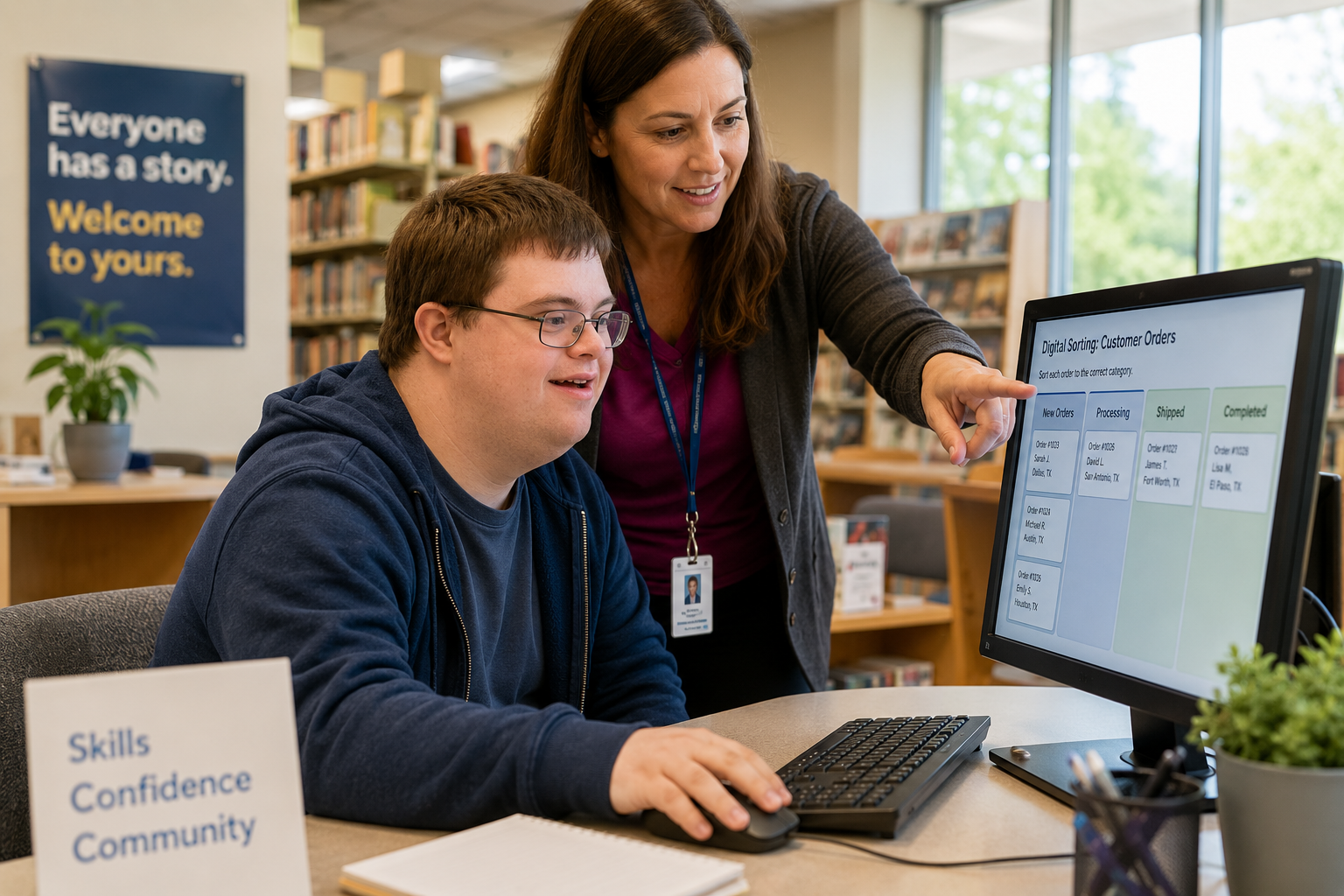
Navigating the transition into adulthood can feel overwhelming for families caring for a loved one with developmental disabilities, but you do not have to figure it out alone. Comprehensive programs for special needs adults provide the essential community integration, vocational training, and independent living skills necessary to help individuals thrive. Finding the right programs for special needs ensures that your loved one gains autonomy while receiving structured support. Specialized services for special needs adults bridge the gap between high school and a fulfilling adult life, preventing the isolation that many families face during this critical chapter.
In this guide, we will break down the structural options available within an adult disability program, how to navigate state-funded systems, and how to choose the right community-based environment. You will gain a clear roadmap to secure your family member's future with confidence. Let's look at how these specialized systems work.
The Core Value of Programs for Special Needs Adults
An adult disability program provides structured support, skill-building, and community integration designed to help individuals with disabilities live as autonomously as possible. These specialized programs for special needs adults focus on key areas of development, including life skills, employment readiness, social connection, and behavioral support. Rather than offering a one-size-fits-all approach, high-quality programs for adults with disabilities tailor their activities to the unique strengths and goals of each participant.
Understanding these options is critical for families transitioning out of the school-aged special education system. Without a structured plan, many young adults face a "services cliff"—a sudden drop in support after age 22 that can lead to isolation and regression. Proactively engaging with programs for special needs preserves developmental progress and gives peace of mind to caregivers planning for long-term security. Securing these placements early is essential, which is why utilizing professional navigation services can help you map out the right timeline and local resources before your child ages out of school.
Practical Benefits of Dedicated Adult Services
- Enhanced Autonomy: Participants learn vital independent living skills, such as money management, safety, and self-advocacy.
- Vocational Pathways: Many programs for disabled adults offer supported employment opportunities, matching individuals with local businesses and job coaches.
- Social Connections: Daily interaction with peers reduces isolation, builds meaningful friendships, and fosters a deep sense of belonging.
A common misconception is that families must figure out this bureaucratic transition entirely on their own. In reality, state-funded frameworks are designed to help fund these exact services. To get started, accessing expert Regional Center intake assistance ensures your loved one is properly deemed eligible for state-backed adult funding streams.
Types of Adults with Disabilities Programs and Services
Choosing the right long-term path requires understanding the diverse landscape of programs for special needs adults. Adult services are not one-size-fits-all; they are segmented by the level of daily support an individual needs and their personal goals for independence. In California, these options are primarily funded and monitored through regional centers, making it essential to understand how each service model functions in the real world.
When transitioning into adult systems, families must choose a path that balances safety with the dignity of risk and self-determination. Let's break down the primary structural models found within modern adults with disabilities programs.
1. Day Management and Community Integration Programs
Often referred to as Day Activity Programs or Community Integration Services, these options focus on individuals who want to participate actively in their communities but still require a structured environment.
- What they do: These programs for adults with developmental disabilities place a heavy emphasis on volunteer opportunities, social outings, mobility training (learning to use public transit), and daily living skills.
- Who they are for: Adults who benefit from a predictable routine during the day but have a goal of building peer relationships and interacting with the public.
- Key Benefit: They prevent isolation and build real-world confidence outside of a residential or home setting.
2. Supported and Independent Living Services (ILS/SLS)
For individuals whose primary goal is housing autonomy, independent living services provide the training wheels—and long-term safety nets—needed to live outside of a parent's home.
- What they do: Staff members come into the individual’s apartment or home for a set number of hours each week. They assist with grocery shopping, meal preparation, paying bills, and managing medical appointments.
- Who they are for: Individuals who can safely spend periods of time alone but require physical or administrative assistance to maintain a stable household.
- Navigating the Transition: Moving into an independent living arrangement is a major milestone. Families can prepare younger individuals for this level of self-governance by building foundational leadership skills early through targeted advocacy pipelines like our Navigators to Leaders program.
3. Vocational Training and Supported Employment
Many programs for disabled adults focus heavily on economic empowerment and competitive integrated employment (CIE).
- What they do: Utilizing job coaches, these services help individuals build resumes, interview for positions, and learn job tasks directly on-site at local businesses. The job coach slowly fades out as the employee becomes self-sufficient.
- Who they are for: Adults with disabilities who want to earn a competitive wage and build a professional career.
- Key Benefit: Fosters a deep sense of identity, financial independence, and purpose.
Navigating the Funding and Authorization Process
Securing a spot in these competitive specialized frameworks requires formal state authorization. In California, adult service funding does not automatically follow a student out of the school district's IEP infrastructure. Instead, the individual's local Regional Center must approve these services through an Individual Program Plan (IPP) meeting.
If your loved one is approaching adulthood and has not yet been formally evaluated by the state, obtaining a comprehensive developmental screening is an important clinical milestone to document functional limitations and justify the need for robust adult funding.
Understanding these distinctions allows you to walk into state planning meetings with a definitive, proactive strategy rather than simply accepting whatever generic placement happens to have an immediate opening.
Real-World Impact: How Families Benefit from Adult Services
Moving from theoretical models to everyday life demonstrates how programs for special needs adults create meaningful pathways toward independence. When implemented correctly, these structured environments radically transform a family's daily dynamic and long-term outlook.
Real-World Placement Scenarios
- Transitioning from High School: Marcus, a 22-year-old with autism, faced a total loss of daily structure after completing his school district's certificate program. His family used professional navigation services to secure a slot in a local community integration program. Within six months, Marcus was volunteering three days a week at a local library, significantly improving his expressive language skills and relieving his caregivers of full-time daytime supervision.
- Securing Economic Independence: Elena, a young adult with a developmental disability, wanted a part-time job but struggled with sensory overload during interviews. Through a supported employment framework under a local adult disability program, she was matched with a data-entry position and a dedicated job coach. Elena successfully mastered her work checklist and now works independently, boosting her self-confidence and personal income.
- Building a Future Beyond Caregiving: For an aging single parent, finding an independent living program for disabled adults allowed her son to move into a shared apartment with localized staff support, ensuring his housing stability long before she could no longer provide care.
These examples prove that programs for adults with disabilities provide practical, measurable improvements in life quality, ensuring that your family member can build a secure and active life within their community.
Choosing the Right Program for Disabled Adults: Expert Tips
Navigating the transition into specialized adult systems requires a shift from passive observation to proactive advocacy. Applying these strategic best practices ensures your family member secures a placement in programs for special needs adults that matches their long-term potential.
Key Advocacy Strategies
- Audit the Staff Turnover and Training: High-quality programs for adults with developmental disabilities prioritize staff retention and continuous behavioral training. When touring a facility, ask directly about their average caregiver tenure. Stable, well-trained staff members are critical for establishing the consistent routines that allow participants to build deep trust and master new skills.
- Prioritize the Least Restrictive Environment (LRE): Always look for programs for disabled adults that emphasize real community integration rather than isolated, segregated facility settings. The goal of an effective adult disability program should be to maximize exposure to public spaces, local businesses, and community venues, which accelerates social development and true citizenship.
- Align Choices with Long-Term Individual Program Plans (IPPs): Ensure every service provider you evaluate can explicitly document how their daily activities support the specific goals written into your state-funded regional center paperwork. If you need help refining your approach to these critical state planning meetings, participating in comprehensive parent workshops and training can give you the legal frameworks needed to advocate effectively.
Taking these deliberate steps transforms the selection process from a stressful guessing game into an empowered, data-driven decision that safeguards your loved one's future.
Securing the Future: Next Steps for Your Loved One
Finding the right programs for special needs adults is about more than just filling daytime hours; it is about establishing a lifelong foundation for community inclusion, economic empowerment, and personal autonomy. By understanding the structural differences between day services, vocational training, and independent living support, you can now confidently select programs for special needs that respect your loved one's unique potential.
Taking proactive steps today prevents the sudden disruption of services when school-age support ends, giving your family a clear, manageable roadmap for long-term stability. You do not have to handle this complex bureaucratic transition in isolation.
Whether you are preparing for an upcoming state planning meeting or trying to re-engage an adult family member with the community, expert guidance makes all the difference. Connect with our dedicated team today to secure specialized Regional Center intake assistance and find the ideal state-backed pathway for your family.
Frequently Asked Questions About Adult Disability Programs
At what age do programs for special needs adults typically begin?
In most states, including California, formal programs for special needs adults begin immediately after an individual transitions out of the public school system, which typically occurs at age 22. While school-based special education ends, state-funded services for special needs adults step in to fill the gap. It is highly recommended to start coordinating with your regional center at least a year in advance to ensure a seamless transition without a lapse in daily support.
How are adults with disabilities programs funded in California?
Most specialized programs for adults with disabilities are funded publicly through the California Department of Developmental Services (DDS) and administered locally via Regional Centers. If an individual is found eligible during the intake process, the state covers the cost of day programs, independent living training, and supported employment services. Families can access professional Regional Center intake assistance to successfully navigate this eligibility framework and secure their authorized funding streams.
Can an individual participate in multiple programs for disabled adults?
Yes, it is often possible to combine different types of programs for disabled adults depending on the individual's authorized Individual Program Plan (IPP). For example, an adult might attend a community integration day program three days a week while utilizing a supported employment program or job coach on the other two days. The services are designed to be flexible, allowing families to build a customized weekly schedule that maximizes both social interaction and vocational progress.
What is the difference between independent living and supported living services?
Independent Living Services (ILS) focus on teaching functional skills—like cooking, budgeting, and public transit navigation—so the individual can eventually live on their own or remain stable in a family home. Supported Living Services (SLS) provide a much higher, often continuous level of one-on-one care for individuals who choose to live in their own apartments but require ongoing daily physical or behavioral assistance to remain safe and independent.