
Social Skills Training for Children with Developmental Disabilities

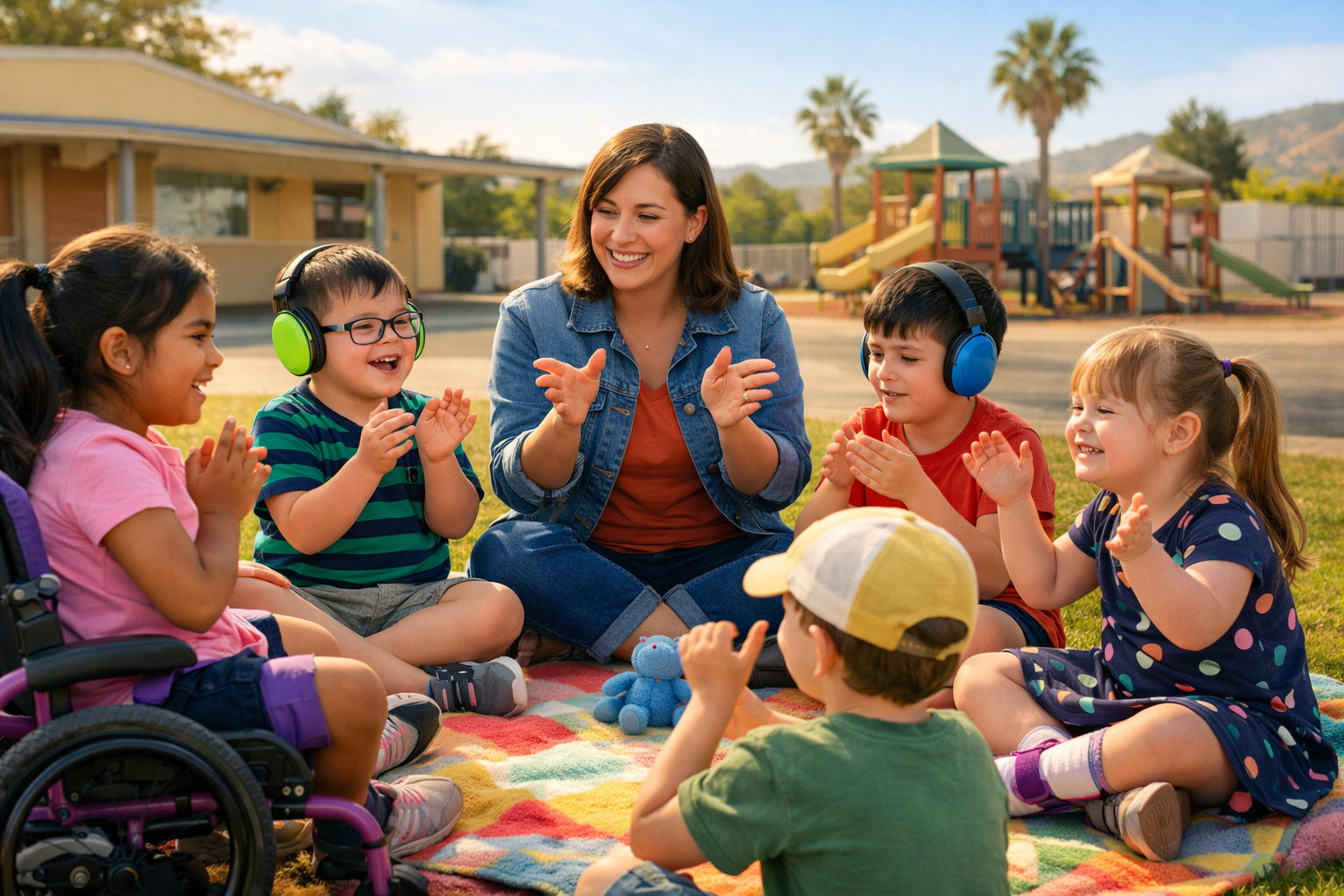
Helping Children Build Confidence Through Social Connection
Helping a child connect with others does not always come naturally, especially for families raising children with developmental disabilities. Many parents notice their child struggling to start conversations, read social cues, or form friendships, and they are left wondering how to help without overwhelming their child or themselves. These challenges can feel isolating, but they are also incredibly common.
Across the state, thousands of families seek social skills training in California each year because social interaction plays a major role in confidence, emotional well-being, and long-term independence. Without the right support, social challenges can affect school success, family relationships, and participation in the community. With the right guidance, however, children can learn, practice, and strengthen social skills in ways that feel safe and empowering.
This guide explains how social skills training works, why it matters, and how families in California can access effective, family-centered programs. You will learn about different program types, including social skills training ABA approaches, group-based models, and community-based workshops. You will also discover how early support, caregiver involvement, and coordinated services help children thrive socially over time.
Understanding Social Skills Training and Why It Matters
Social skills training is a structured, intentional approach that helps children learn how to interact successfully with others. While some children naturally pick up social behaviors through observation, many children with developmental disabilities benefit from direct instruction, repetition, and guided practice.
At its core, social skills training for children focuses on communication, emotional awareness, and note-taking of social expectations. Skills may include taking turns, recognizing facial expressions, managing frustration, initiating conversations, and responding appropriately in group settings.
In California, programs are designed to reflect diverse cultural, educational, and community environments. This flexibility helps ensure children receive support that fits their real-world experiences rather than abstract expectations.
Social skills training matters because social connection is foundational to daily life. Children who receive consistent, supportive training often experience:
- Improved communication and expressive language
- Increased confidence in social settings
- Stronger peer relationships
- Reduced anxiety and challenging behaviors
- Better participation in school and community activities
A common misconception is that social skills training is only useful in classrooms. In reality, these skills extend into family life, extracurricular activities, and community participation. Early, intentional support helps children build skills that support long-term inclusion and independence.
Types of Social Skills Training Programs in California
Social Skills Training ABA Models
One widely used approach is social skills training ABA, which applies principles of Applied Behavior Analysis to social learning. These programs break social behaviors into manageable steps, teach them explicitly, and reinforce progress through positive feedback.
ABA-based social skills programs often focus on measurable goals such as initiating greetings, maintaining conversations, or responding to peer cues. Progress is tracked carefully, allowing families and providers to adjust strategies as needed.
Social Skills Groups for Kids
Social skills groups for kids provide structured opportunities for children to practice skills with peers in a supportive environment. Groups are typically organized by age, developmental level, or specific goals, such as conversation skills or emotional regulation.
Facilitators guide interactions, model appropriate behavior, and offer real-time feedback. Group settings help children generalize skills beyond one-on-one sessions and build comfort interacting with peers.
Social Skills Programs for Autism
Many social skills programs for autism are tailored to address challenges common among autistic children, such as interpreting nonverbal cues, understanding social rules, or managing sensory sensitivities. These programs often use visual supports, role-playing, and predictable routines to create a sense of safety.
In California, autism-focused programs frequently collaborate with families, schools, and regional centers to ensure consistent support across environments.
Social Skills Classes and Workshops
A social skills class or social skills workshop may be offered through community organizations, nonprofits, or family support agencies. These formats often focus on specific topics such as friendship-building, conflict resolution, or self-advocacy.
Workshops are especially helpful for parents and caregivers who want to learn strategies alongside their children or better understand how to reinforce skills at home.
Social Skills Support Groups
A social skills support group emphasizes connection as much as instruction. These groups create safe spaces where children can practice social interaction while building a sense of belonging. Support groups are often combined with structured activities to balance learning and relationship-building.
How Social Skills Training Programs Are Structured
Building Foundational Communication Skills
Most programs begin by strengthening communication. Children learn how to express needs, understand verbal and nonverbal cues, and respond appropriately in different situations. Facilitators often use modeling, visual aids, and role-playing to make abstract concepts concrete.
This foundation supports all future social development and helps children feel more confident engaging with others.
Developing Emotional Awareness and Regulation
Emotional understanding is closely tied to social success. Many children struggle to identify their own emotions or recognize how others are feeling. Social skills training helps children label emotions, recognize triggers, and practice coping strategies.
As emotional awareness improves, children are better equipped to handle frustration, transitions, and group activities.
Guided Peer Interaction and Practice
Practice is essential. Structured social skills groups for kids allow children to apply new skills in real time while receiving gentle guidance. Facilitators reinforce positive behaviors and help children problem-solve challenges as they arise.
Over time, children gain confidence initiating interactions, sharing ideas, and resolving small conflicts independently.
Supporting Consistency Across Home and School
Consistency across environments leads to stronger outcomes. Many California programs involve parents and caregivers directly, teaching them strategies to reinforce skills during everyday routines. Schools may also collaborate to align classroom supports with therapy goals.
Families who access coordinated services, such as navigation services, often find it easier to align support across systems.
The Importance of Early Intervention
Early support plays a critical role in social development. Programs that begin in early childhood can address challenges before they become barriers to learning or relationships.
Families concerned about development often start with developmental screenings to identify areas where support may be helpful. For children under three, Early Start 0–3 services provide targeted early intervention that supports communication and social engagement during crucial developmental stages.
Early intervention does not label or limit a child. Instead, it provides tools and opportunities that support growth and confidence over time.
Real-World Applications of Social Skills Training
School Readiness and Classroom Participation
Many families seek social skills training near me when their child struggles with classroom routines or peer interaction. Through structured support, children often improve skills such as raising hands, working in groups, and following social rules. Parents frequently report increased engagement and fewer behavioral concerns at school.
Adolescent Independence and Community Participation
For older children and teens, social skills training may focus on preparing for greater independence. Programs often include real-world scenarios such as ordering food, navigating public spaces, or participating in group discussions. These experiences help teens feel more confident engaging with their communities.
Family-Centered Growth
Social skills training is most effective when families are actively involved. Caregivers who learn strategies alongside their children can reinforce skills at home, strengthening family relationships and supporting long-term progress.
Programs that connect families to broader systems, such as regional center intake assistance, help ensure children receive coordinated, ongoing support.
Choosing the Right Social Skills Program
Selecting the right social skills program can feel overwhelming. These best practices can help guide families:
- Look for individualized support rather than one-size-fits-all models
- Ask how parents and caregivers are involved
- Ensure programs include real-world practice opportunities
- Focus on progress over perfection
- Communicate regularly with providers
Families often benefit from leadership and advocacy programs like Navigators to Leaders, which empower parents to understand systems, advocate effectively, and support their child’s growth.
Social Skills Training and Inclusive Education
Social development is closely tied to educational inclusion. Children who receive social skills training are often better equipped to participate in inclusive classrooms and community settings.
Understanding inclusive approaches, such as those outlined in inclusive education in California, helps families advocate for environments where social learning is supported naturally alongside academic growth.
Inclusive education combined with intentional social skills training creates opportunities for meaningful peer relationships and long-term success.
Common Challenges and How to Avoid Them
Families sometimes encounter obstacles when pursuing social skills training. Common challenges include:
- Expecting immediate results instead of gradual progress
- Limited carryover between sessions and home
- Inconsistent participation
- Lack of coordination between providers
Addressing these challenges early through communication and collaboration helps ensure sustainable outcomes.
Empowering Children and Families Through Social Skills Training
Social connection is a vital part of a child’s development. With the right support, children with developmental disabilities can build meaningful relationships, confidence, and independence. Social skills training in California provides structured, compassionate guidance that supports both children and families throughout this journey.
By understanding available programs, engaging early, and working with family-centered organizations, parents can make informed decisions that support long-term social and emotional growth. Every small step forward builds toward inclusion, confidence, and community belonging.
Frequently Asked Questions About Social Skills Training in California
What is social skills training for children?
It is a structured approach that helps children learn communication, emotional awareness, and interaction skills through guided practice.
Who benefits from social skills training in California?
Children with autism, ADHD, speech delays, and other developmental disabilities often benefit from social skills training at various ages.
How early can social skills training begin?
Support can begin in early childhood, including infancy and toddlerhood, through early intervention programs.
Are parents involved in social skills programs?
Yes. Many programs encourage caregiver involvement to reinforce skills at home and across environments.
How do I find social skills training near me?
Families can contact local nonprofits, school districts, or family support organizations to explore available programs and referrals.