
Proactive Preparation: What is a Developmental Disability and How to Get Support

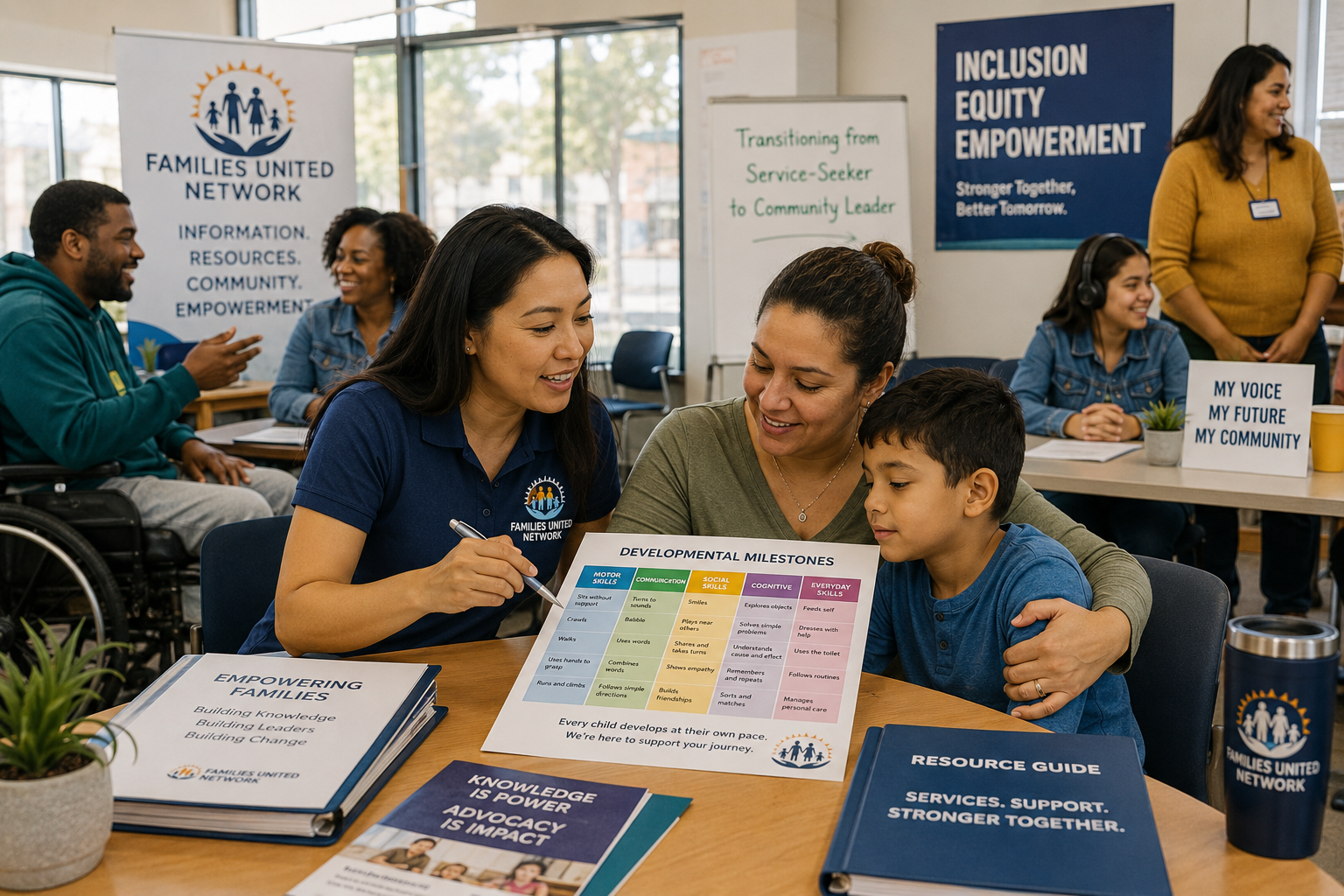
When you first notice your child isn't hitting milestones at the same rate as their peers, your mind immediately fills with questions, the most pressing being: what is a developmental disability? Broadly defined, a developmental disability is a diverse group of chronic conditions due to mental or physical impairments that arise before adulthood and typically last throughout a person's lifetime.
Understanding the nuances of a developmental disorder is critical because early identification is the most powerful tool a parent has to secure a "fair and appropriate" future for their child.
Without a clear definition, many children with disabilities in California miss out on vital state-funded interventions during their most formative years. In this guide, we will break down the various types of developmental disabilities, clarify the diagnosis process, and show you exactly how to access the support network you deserve.
Let’s begin by exploring how these conditions are identified and what they mean for your family’s journey.
Understanding the Spectrum of Developmental Disabilities
To answer the fundamental question—what is a developmental disability?—we must look at it as a broad category of conditions that affect how a person learns, moves, or communicates.
Specifically, a developmental disability is a severe, chronic disability that is attributable to a mental or physical impairment (or a combination of both), manifests before age 22, and is likely to continue indefinitely. It results in substantial functional limitations in major life activities such as self-care, language, learning, or mobility.
For California parents, understanding this definition is about much more than a clinical label; it is the master key that unlocks a lifelong ecosystem of support. Without identifying these needs early, families often struggle to navigate the "system" alone, risking delays in critical developmental screenings that could have initiated early intervention. Recognizing the signs early ensures that your child can access a robust social and educational safety net designed to foster independence and equity.
Gaining clarity on what is a developmental disability provides several immediate advantages for your family:
- Access to State Services: Qualification for support through the California Regional Center system.
- Informed Advocacy: The ability to secure specific accommodations in school through the IEP process.
- Targeted Support: Finding specialized early start 0-3 programs that address a child's unique needs during peak brain development.
A common misconception is that these conditions are "illnesses" to be cured. In reality, being developmentally disabled simply means the brain or body develops differently, and with the right navigation, every individual can lead a fulfilling, self-determined life.
Navigating the Spectrum: Types and Examples of Developmental Disabilities
Understanding what is a developmental disability requires looking at the specific ways these conditions manifest in a child’s daily life. Because the term is an "umbrella," it covers a wide range of diagnoses that can affect speech, physical movement, and social processing. For many families, the journey begins with Regional Center intake assistance to determine if their child’s specific challenges meet the California state criteria for lifelong support.
To provide clarity, it is helpful to look at the various types of developmental disabilities and how they are categorized by specialists and state agencies.
Common Examples of Developmental Disabilities
When families ask for a list of developmental disabilities, they are often looking for the specific conditions that qualify for specialized educational and social services. Here are the most frequent examples of developmental disabilities encountered by our advocacy teams:
- Intellectual Disability: Characterized by significant limitations in both intellectual functioning (reasoning, learning, problem-solving) and adaptive behavior, which covers a range of everyday social and practical skills.
- Autism Spectrum Disorder (ASD): A developmental disorder that primarily affects social communication and interaction, often involving restricted or repetitive behaviors or interests.
- Cerebral Palsy (CP): A group of disorders that affect a person’s ability to move and maintain balance and posture, often caused by abnormal brain development or damage to the developing brain.
- Down Syndrome: A genetic condition that typically results in some level of intellectual disability and characteristic physical features.
- Epilepsy: While often thought of as a medical condition, chronic seizure disorders that manifest during the developmental period and cause substantial functional limitations are often included in the broader support system.
Understanding ADHD and Developmental Support
A frequent question among parents is: is ADHD a developmental disability? In the clinical sense, ADHD (Attention-Deficit/Hyperactivity Disorder) is indeed a neurodevelopmental disorder because it affects brain development and functioning.
However, for the purposes of state-funded Regional Center services in California, ADHD alone usually does not qualify a child for services unless it is accompanied by another qualifying condition or results in a "substantial disability" as defined by the Lanterman Act.
Regardless of the specific label, if your child is struggling, our navigation services can help you determine which agency—whether it is the school district or the Regional Center—is responsible for providing the necessary support.
The Impact of Early Identification
Knowing what is a developmental disability allows you to move from a state of uncertainty to a state of action. In California, the system is designed to provide "Early Start" services for children from birth to age three. During this window, the brain is highly adaptable, and the right therapies can significantly improve long-term outcomes for children with disabilities.
If you suspect your child has a developmental disability, the process generally follows these steps:
- Screening: A formal look at whether your child is reaching basic milestones.
- Assessment: A deeper evaluation by professionals to identify the specific nature of the delay or disorder.
- Service Connection: Developing an Individualized Family Service Plan (IFSP) or an Individualized Education Program (IEP).
By identifying these needs early, you aren't just getting a diagnosis; you are securing a roadmap. This proactive approach ensures that the "Style, Comfort, and Protection" of a robust social safety net is available to your child as they grow.
Whether you are navigating a new diagnosis or looking to become a leader through our Navigators to Leaders program, remember that you are the most important advocate in your child's life. Knowledge is the first step toward that empowerment.
From Diagnosis to Advocacy: Real-World Support Scenarios
Understanding what is a developmental disability is the starting point for a journey of empowerment. To help you visualize how this knowledge translates into action, let’s look at how California families successfully navigate the system to secure essential services.
- Early Intervention Success: A family noticed their two-year-old was not using single words and suspected a developmental disability. By utilizing our navigation services, they moved quickly through the Regional Center intake process. Within months, their child was enrolled in speech therapy and an Early Start program, resulting in significant communication gains before reaching preschool age.
- Transitioning to School Advocacy: A parent of a school-aged child with a developmental disorder felt overwhelmed by the complex IEP process. After attending our workshops to better understand what is a developmental disability and their legal rights, they successfully advocated for a 1:1 behavioral aide.
This change transformed the child’s classroom experience from one of frustration to one of academic and social progress.
- Rural Resource Connection: In an underserved rural community, a caregiver used our virtual screenings to identify a potential developmental disability in their toddler. This early identification allowed them to bypass local waitlists and secure remote advocacy support for state-funded respite care.
These examples highlight that regardless of the diagnosis, having a clear roadmap and a supportive community makes the path forward manageable and successful.
Expert Insights for Navigating a New Diagnosis
Moving beyond the question of what is a developmental disability requires shifting your focus toward proactive management and long-term advocacy. These expert tips help families navigate the complex landscape of developmental disabilities with more confidence and less stress.
- Document Every Milestone and Concern: Keep a dedicated binder or digital folder for all medical records, school evaluations, and personal observations. Because a developmental disability is often diagnosed through a pattern of behaviors over time, having a clear "paper trail" is your strongest tool when applying for Regional Center intake assistance.
- Focus on Functional Strengths, Not Just Deficits: While the "system" often focuses on what your child cannot do, effective advocacy highlights their unique strengths.
For example, if your child has a developmental disorder but excels in visual learning, use that information to secure specific classroom tools like visual schedules during IEP meetings.
- Build a Support Network Early: Isolation is the biggest hurdle for families of children with disabilities. Connect with the Families United Network as soon as possible to learn from parents who have already navigated these bureaucratic hurdles.
- Ask Clarifying Questions During Assessments: Never hesitate to ask a specialist, "How does this specific diagnosis help us access services?" Understanding the practical implications of what is a developmental disability in a legal sense ensures you aren't just getting a label, but a gateway to support.
Applying these strategies ensures that your child’s needs are not just identified, but effectively met through every stage of their development.
Empowering Your Path Forward with Families United
Navigating the complexities of what is a developmental disability can feel overwhelming, but you now have a foundational understanding of the common types of developmental disabilities and the support systems available in California.
By identifying a developmental disorder early and connecting with specialized advocacy, you have already taken the most significant step toward ensuring your child receives the equitable opportunities they deserve.
Taking action today—whether through a formal screening or by seeking expert guidance—creates a more resilient and inclusive future for your entire family. The sooner you move from seeking answers to accessing resources, the faster you can secure the "Style, Comfort, and Protection" of a robust educational and social safety net.
If you are ready to move from uncertainty to advocacy, our expert team is here to provide personalized navigation services that simplify every step of the journey. Let’s work together to ensure no family struggles in isolation.
Frequently Asked Questions About Developmental Disabilities
What is a developmental disability according to California law?
In California, a developmental disability is defined by the Lanterman Act as a disability that originates before an individual attains 18 years of age, continues or can be expected to continue indefinitely, and constitutes a substantial disability for that individual.
This legal definition ensures that children with disabilities can access lifelong support through the state’s Regional Center system, regardless of their financial status or cultural background.
What are the most common types of developmental disabilities?
The most frequent types of developmental disabilities include Intellectual Disability, Autism Spectrum Disorder, Cerebral Palsy, and Epilepsy. Additionally, conditions that are closely related to intellectual disabilities or require similar treatment are covered. If you are unsure where your child's diagnosis fits, our Regional Center intake assistance can help clarify eligibility requirements and provide a list of qualifying conditions.
Is ADHD considered a developmental disability in school settings?
While clinicians agree on what is a developmental disability regarding ADHD, school districts categorize it under "Other Health Impairment" (OHI) rather than a developmental disorder. This means while your child may not qualify for Regional Center services based on ADHD alone, they can still receive a "fair and appropriate" education through an IEP or 504 plan to address their specific learning and behavioral needs.
How do I know if my child has a developmental disability?
The only way to confirm a diagnosis is through a professional evaluation, but the first step is always a screening. If you notice your child isn't reaching social, cognitive, or physical milestones, it is essential to act quickly. Early identification allows you to access specialized therapies for children with disabilities during the critical "Early Start" window, which significantly improves long-term independence and quality of life.