
Your Bridge to Care: What is the Arc and How We Support You?

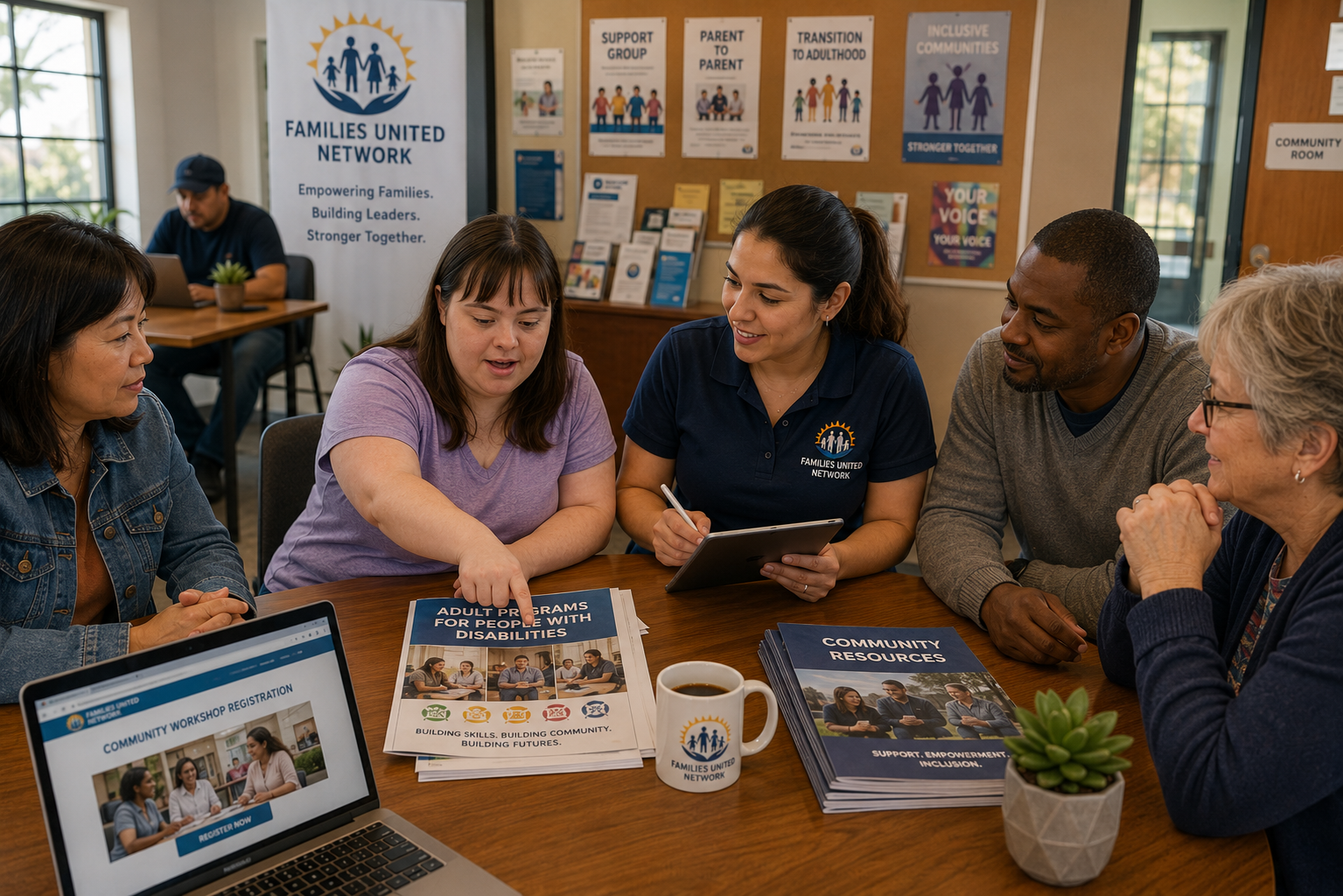
When you first receive a diagnosis for your child, the overwhelming wave of jargon and bureaucracy can make you feel completely isolated; however, understanding what is the Arc is the first step toward finding a lifelong community of support. The Arc is the largest national community-based organization advocating for and with people with intellectual and developmental disabilities (IDD) and their families. For parents, this matters because navigating state systems alone often leads to missed services or inadequate educational support, which can hinder a child's long-term independence. By connecting with this network, families gain the "Style, Comfort, and Protection" of a proven advocacy framework that ensures their loved ones are never left behind.
In this guide, you will learn exactly what is the Arc, its historical roots, and how its various chapters provide essential adult programs for people with disabilities. You will gain the clarity needed to decide which advocacy path is right for your family and how to leverage professional navigation services to secure the best possible outcomes.
Let’s start by looking at the core mission and identity of this influential organization.
Establishing a Foundation: What is the Arc?
To understand the core of disability advocacy in America, one must first ask: what is the Arc? In the simplest terms, the Arc is the nation’s largest community-based nonprofit organization dedicated to serving people with intellectual and developmental disabilities (IDD) and their families. Operating through a vast network of over 600 state and local chapters, the organization functions as both a powerful legislative advocate and a direct service provider. It works to ensure that individuals with disabilities have the support they need to live, learn, work, and play as fully included members of their communities.
For families navigating the complexities of a new diagnosis or the transition into adulthood, the Arc represents a critical safety net. Without this collective voice, many families struggle to secure the funding, educational accommodations, or navigation services required for a child to thrive. The stakes are incredibly high; a lack of proper advocacy can lead to social isolation or a loss of essential state benefits. By understanding what is the Arc, property owners and family leaders can better protect their loved ones' rights and access the "Style, Comfort, and Protection" that comes from being part of a well-established support network.
Connecting with the Arc provides several immediate and long-term advantages:
- Legislative Clout: Benefit from national-level lobbying that protects Medicaid and special education funding.
- Expert Guidance: Access specialized knowledge on local resources, such as Regional Center intake assistance.
- Lifelong Support: Transition from early intervention to adult programs for people with disabilities with a consistent partner by your side.
- Peer Community: Connect with a network of "American families united" by similar goals and challenges.
A common misconception is that the Arc is a government agency; it is actually a grassroots-driven nonprofit. This independence allows it to hold government systems accountable, ensuring that the services promised to your family are actually delivered. This foundation of advocacy sets the stage for a lifetime of inclusion.
Navigating the Legacy and Impact: What is the Arc?
To truly grasp what is the Arc, one must look beyond the name and examine the specific ways it supports individuals across their entire lifespan. By offering a combination of high-level advocacy and "boots on the ground" services, the organization ensures that families have a reliable partner at every milestone. For those just beginning their journey, utilizing navigation services can help clarify how local chapters of the Arc fit into your broader care plan.
Understanding the Identity: What Does Arc Stand For?
Historically, many people wonder, what does Arc stand for? Originally founded in 1950 as the "Association for Retarded Children," the organization underwent a significant transformation in 1992. Recognizing that language evolves and that their mission had expanded to include adults and a wider range of developmental disabilities, they changed the name to simply "The Arc." Today, it is not an acronym but a symbol of the "arc" of life and the continuous support required from birth through the senior years. This shift in arc history reflects a deeper commitment to dignity and person-centered language, moving away from clinical labels toward a focus on human potential.
A Pillars of Support: Core Services and Advocacy
The Arc operates as a bridge between policy and practice. Here is how the organization delivers tangible value to families:
- Public Policy Advocacy: The national office works tirelessly in Washington, D.C., to protect the rights of the disability community. They focus on securing funding for Medicaid, protecting Social Security benefits, and ensuring the enforcement of the Americans with Disabilities Act (ADA).
- Adult Programs for People with Disabilities: Local chapters are often the primary providers of day habilitation, social clubs, and life-skills training. These programs are essential for maintaining social connections and cognitive health after an individual exits the formal school system.
- Family Support and Education: Through workshops and peer-to-peer networks, the Arc helps parents navigate the complexities of the IEP and IPP processes. This education turns "knowledge into power," allowing parents to become the leaders their children need.
Exploring Professional Growth: The Arc Careers and Hiring
Beyond being a service provider, the organization is a major employer within the social services sector. Because each chapter operates somewhat independently, the arc hiring processes are managed locally. For those looking to make a professional impact, the arc jobs range from direct support professionals (DSPs) who work one-on-one with individuals, to high-level program directors and policy analysts.
If you are pursuing arc careers, you are joining a mission-driven workforce that values equity and inclusion. Many people start their journey by looking for arc employment opportunities in their specific county, often finding that the organization provides excellent training for those new to the field of developmental disabilities. This professional network ensures that the staff supporting your family are well-trained and deeply committed to the mission of inclusion.
Staying Connected: Membership and National Events
For many families, arc membership is the best way to stay informed about legislative changes and local opportunities. Being a member gives you a seat at the table during local chapter meetings and connects you to a national movement. A highlight of this community is the arc national convention 2025, where advocates, self-advocates, and professionals gather to share best practices, discuss new research, and build a stronger, more inclusive future.
By understanding what is the Arc and the breadth of its reach, you can make more informed decisions about your loved one’s future. Whether you need Regional Center intake assistance to access these programs or you are looking to become a professional advocate yourself, the Arc provides the structural support needed to turn goals into reality. This knowledge empowers you to lead your family with confidence, knowing you are backed by a national legacy of care.
Real-World Impact: How Families Use the Arc
The transition from understanding what is the Arc to actually utilizing its resources is where real progress begins. Seeing how other families navigate these systems can help you move from a place of uncertainty to one of proactive advocacy. Whether it is through securing a stable future or finding a meaningful workplace, these services translate into tangible quality-of-life improvements.
Use Case 1: Navigating the Transition to Adulthood
When 18-year-old Alex was preparing to leave high school, his parents were terrified of the "services cliff." By engaging with a local chapter of the Arc, they accessed a transition planning workshop that helped them identify suitable adult programs for people with disabilities. They worked with an advocate to update Alex's Individualized Program Plan (IPP), ensuring he was enrolled in a vocational program that focused on his interest in technology. Today, Alex works part-time at a local library, and his family feels a renewed sense of security about his long-term independence.
Use Case 2: Securing Inclusive Community Housing
Susan, a woman in her late 20s with Down syndrome, wanted to move out of her family home but needed consistent support. Her family utilized navigation services to find a residential home managed by an Arc affiliate that prioritized community integration. By leveraging the Arc’s housing advocacy, they secured a spot in a small, staffed residence in a safe neighborhood. The outcome has been a dramatic increase in Susan’s self-esteem and social life, while her aging parents have the "Style, Comfort, and Protection" of knowing she is safe and supported in a permanent home.
Use Case 3: Legislative Advocacy for Medical Rights
A family in the "Families United Network" faced discrimination when seeking specialized medical care for their non-verbal child. They connected with the Arc’s national policy office, which provided resources on patient rights under the ADA. This information empowered the parents to demand and receive the necessary accommodations during hospital visits.
These scenarios show that the Arc is not just a high-level concept, it is a practical toolkit for everyday challenges. This works in real situations, and your family can apply these same strategies to protect and empower your loved ones.
Expert Insights: Maximizing Your Connection with the Arc
Knowing what is the Arc provides the foundation, but applying that knowledge strategically is what truly secures the "Style, Comfort, and Protection" your family deserves. These expert tips are designed to help you move beyond passive membership and become a proactive leader in your loved one's care plan.
- Audit Local Chapter Services Early. Because every local chapter is unique, what is the Arc in one county may differ slightly from another. Some chapters focus heavily on residential support, while others specialize in adult programs for people with disabilities. Before the "school cliff" hits at age 22, request a tour of your local chapter’s facilities to ensure their specific vocational or social programs align with your child's personality and long-term goals.
- Leverage the Arc Foundation for Financial Planning. The Arc Foundation often provides resources or seminars on "Special Needs Trusts" and "ABLE Accounts." Applying these financial tools early ensures that your loved one can receive government benefits without losing their inheritance. This proactive step prevents the common mistake of accidental disqualification from Medicaid due to asset limits.
- Stay Informed via the Arc National Convention 2025. Don't just look at local news; the Arc National Convention 2025 is a prime opportunity to learn about cutting-edge advocacy and new state-funded initiatives. Attending these events, or reviewing the session summaries, gives you the "inside track" on upcoming legislative shifts that could impact your family's budget or service access.
- Combine Advocacy with Professional Navigation. While the Arc provides a broad support network, combining their resources with personalized navigation services ensures no detail is missed during your Regional Center intake. A 1:1 navigator can help you translate the Arc’s national advocacy into a specific, actionable plan for your local school district or regional office.
By following these best practices, you ensure that your family isn't just navigating the system, but actively mastering it to create a safer, more inclusive future.
Securing Your Loved One’s Future Through The Arc
Understanding what is the Arc provides you with a definitive roadmap for navigating the complexities of intellectual and developmental disabilities. You now recognize that the organization is more than just a name; it is a powerful network offering legislative protection, community-integrated adult programs for people with disabilities, and a legacy of advocacy that spans decades. Armed with this knowledge, you are no longer a passive participant in a bureaucratic system, but an informed advocate ready to secure the "Style, Comfort, and Protection" your family deserves.
Taking action today ensures that your loved one has access to a continuous arc of support, preventing the isolation that often follows the end of the school years. By moving forward now, you replace the anxiety of the unknown with a structured plan that fosters independence and community belonging.
If you are ready to turn this information into a customized care strategy, the best first step is to connect with an expert who can guide you through the local landscape. We invite you to reach out for personalized navigation services to ensure your family successfully accesses every resource the Arc and the state have to offer.
Essential Questions: Understanding What is the Arc
What does Arc stand for in the context of disability services?
Historically, the name was an acronym, but today the organization is simply known as The Arc. If you are researching what Arc stands for, it is important to know that they moved away from their original 1950s title to embrace person-centered language. Currently, the name represents the "arc of life," highlighting their commitment to supporting individuals with intellectual and developmental disabilities through every age and stage of their journey.
How do I find the Arc hiring and employment opportunities?
Most arc employment opportunities are managed at the local chapter level rather than through a single national portal. To find current arc hiring notices, you should visit the website of the specific chapter in your county. These organizations frequently seek passionate individuals for arc careers in direct support, service coordination, and advocacy. Joining the team allows you to provide the "Style, Comfort, and Protection" that families rely on daily.
What are the main adult programs for people with disabilities offered?
The Arc provides a wide variety of adult programs for people with disabilities, including vocational training, day habilitation, and supported living services. These programs focus on community inclusion and skill-building to ensure participants can live as independently as possible. Many families use Regional Center intake assistance to determine eligibility for these state-funded services, which are designed to prevent social isolation after an individual exits the traditional school system.
Can anyone join as a member of the Arc?
Yes, arc membership is open to individuals with disabilities, their family members, and community allies. Becoming a member connects you to the broader "Families United Network" and the national advocacy movement. Members often receive updates on policy changes and early registration details for major events like the arc national convention 2025. It is a powerful way to ensure your voice is heard at both the local and national levels of disability rights.