
Why Disability Organizations are the Cornerstone of Our Network

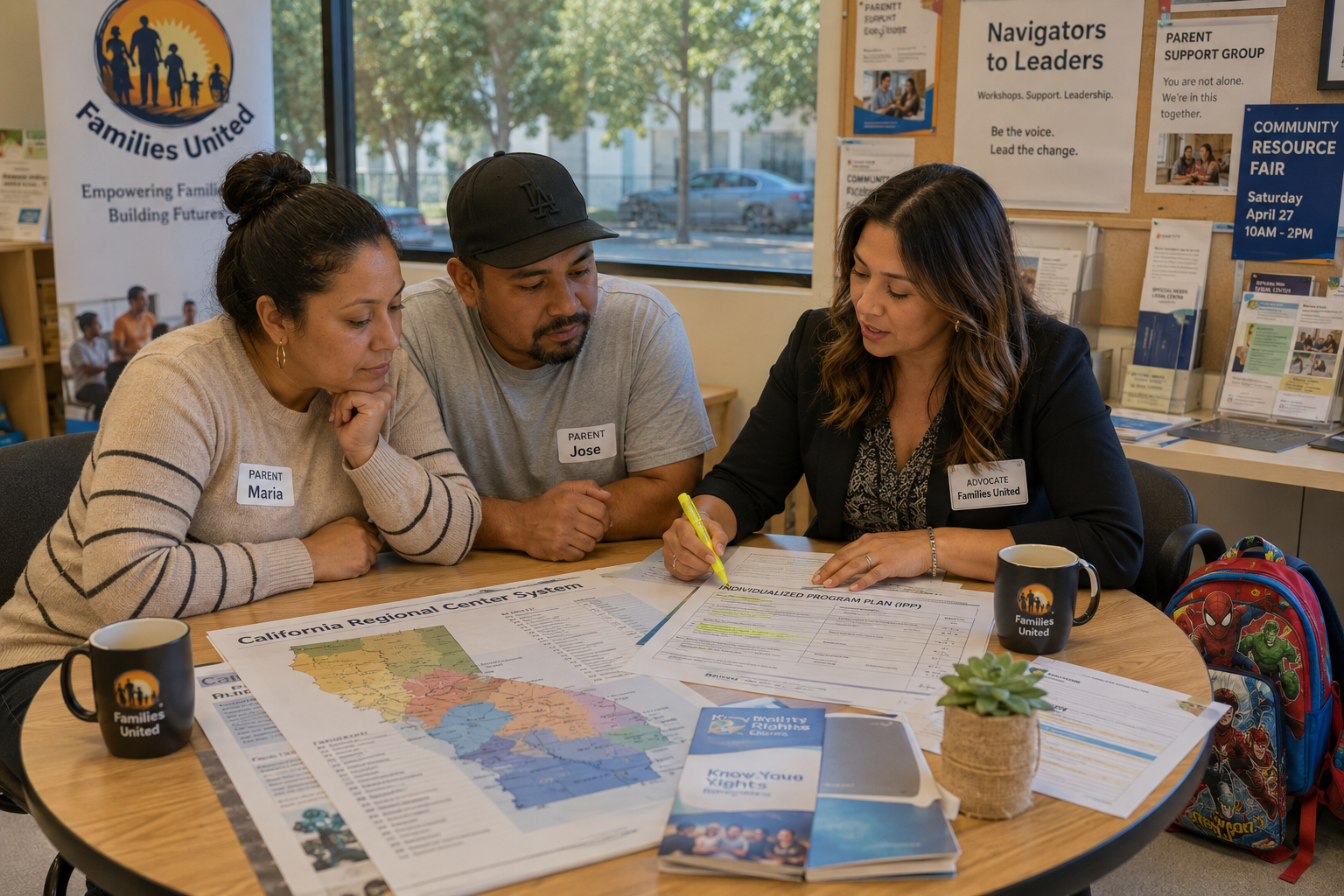
Navigating the complex landscape of support services alone can leave families feeling exhausted and overlooked. Partnering with established disability organizations is the most effective way to secure a stable future, as these groups provide the essential bridge between legal rights and actual service delivery. For many families in California, missing out on these connections means facing long waitlists, denied claims, and a lack of culturally responsive support and advocacy. Without a strong network, the risk of isolation increases, often leading to a breakdown in the care and resources a child or adult needs to thrive.
In this guide, you will gain a clear understanding of how disability organizations function as a protective ecosystem for your family. You will learn how to identify high-quality disability nonprofits and understand the specific ways they can simplify your path toward equity and inclusion. Let’s look at how these organizations transform the way we access support.
The Strategic Role of Disability Organizations in California
Disability organizations are specialized entities designed to protect the rights and well-being of individuals with developmental or physical challenges. These organizations act as professional intermediaries that translate complex state laws into practical, everyday support for families. In California, they operate by providing direct navigation services to ensure that bureaucracy never becomes a barrier to essential care. Whether it is a non-profit resource center or a state-funded entity, their primary goal is to empower families with the knowledge and representation needed to access a fair social safety net.
For families navigating a new diagnosis, understanding these systems is vital because the consequences of going it alone are high. Without the backing of established disability organizations, parents often struggle to secure accurate regional center intake assistance, which can delay early intervention services during a child’s most critical developmental years. Having an advocate for disabled people on your side ensures that your child’s Individualized Education Program (IEP) or Individualized Program Plan (IPP) is legally sound and fully funded.
Practical Benefits of Connection:
- Access to Experts: Gain direct lines to professionals who understand the specific requirements of the disability office state of California and federal mandates.
- Systemic Navigation: Streamline the application process for state-funded programs, reducing the time spent on paperwork and administrative follow-ups.
- Community Strength: Join a network of "American families united" by shared goals, providing emotional resilience alongside tactical advice.
A common misconception is that these organizations are only for crisis intervention. In reality, engaging with a disability resource center early, even before a formal diagnosis is finalized, sets a proactive foundation that prevents future service denials and ensures a more inclusive path for your child.
How Disability Organizations Simplify the Path to Equity
Navigating the landscape of developmental support in California requires more than just patience; it requires a structured approach to the various systems of care. By connecting with disability organizations, you move from a state of trial and error to a clear, actionable roadmap for your child's or loved one's future. Families United facilitates this journey through expert navigation services, ensuring that every household has the technical and emotional support needed to succeed within complex bureaucratic frameworks.
Identifying Key Support Channels
The first step in leveraging the power of disability organizations is understanding the different "doors" available to you. In California, the system is designed as a network of specialized agencies:
- Regional Centers: These are the primary entry points for state-funded services. They coordinate everything from respite care to behavioral therapy.
- Disability Nonprofits: Organizations like Families United fill the gaps that state agencies might miss, offering peer support, specialized training, and culturally responsive advocacy.
- Legal Advocacy Groups: Entities like the Office of Clients Rights Advocacy focus on the legal protections of individuals, ensuring that their civil rights are upheld in housing, education, and healthcare settings.
Step 1: Early Intervention and Screening
The most effective way to engage with the network is through early identification. Starting with free developmental screenings allows you to document specific needs before they become obstacles in a school or social setting. Disability organizations use these screenings to justify the need for more intensive services, helping you bypass "wait and watch" periods that can cost your child valuable time.
Step 2: Navigating the Regional Center System
Once a need is identified, the next phase involves the disability office state of California systems, specifically the Regional Center. This process can be daunting for the uninitiated.
- Request an Intake: Formally ask for an assessment to determine eligibility under the Lanterman Act.
- Prepare Documentation: Gather medical records, school reports, and screening results.
- Collaborate with an Advocate: Having a specialized advocate for disabled people present during your intake meeting ensures that your child’s needs are presented accurately and that you are not pressured into accepting a plan that is insufficient.
Step 3: Transitioning to Leadership
A unique aspect of the Families United approach is the shift from service-seeking to system leadership. Through the Navigators to Leaders program, parents learn how to not only secure services for their own families but also how to drive systemic change. This transitions you from a recipient of aid to a vital part of the disability organizations ecosystem, where your lived experience becomes a tool for helping other underserved communities.
Step 4: Securing Lifelong Support for Adults
Advocacy does not end when a child turns 18. Disability support for adults focuses on independent living, vocational training, and long-term financial planning. High-impact disability nonprofits stay with families through this transition, helping to secure "Self-Determination" pathways where the individual has more control over how their service budget is spent.
By following this structured progression, families can replace the stress of the unknown with the confidence of a well-supported plan. Whether you are seeking how to get disability in California or looking for ways to improve local inclusion policies, these organizations provide the expertise and community backing to make those goals a reality.
Real-World Applications: How Disability Organizations Drive Change
Seeing how disability organizations operate in daily life helps clarify the tangible difference they make for families in our community. These scenarios illustrate how professional support transforms high-stress situations into successful outcomes through direct action and expertise.
Real-World Use Cases
- Securing Early Intervention: A mother noticed her toddler was not meeting speech milestones but was told by her pediatrician to "wait and see." She contacted a local disability resource center for free developmental screenings, which provided the formal data needed to fast-track a Regional Center referral. By bypassing the wait-and-see approach, her child started speech therapy six months earlier than expected, significantly improving his school readiness.
- Advocating for Adult Independence: An adult with a developmental disability wanted to move into a semi-independent living situation but faced repeated denials for funding. By partnering with disability advocates of California, the family successfully challenged the denial based on the Self-Determination Program guidelines. This intervention secured the necessary housing transition support, allowing the individual to move into their own apartment with the proper safety net in place.
- Bridging the Language Barrier: A non-English speaking family felt excluded from their child's IEP process until they connected with disability nonprofits specializing in culturally responsive care. The organization provided a bilingual advocate for disabled people who ensured all documents were translated and the parents' concerns were heard, resulting in a 25% increase in the child's specialized classroom support minutes.
These examples prove that the right connection can change the trajectory of a family's life. By engaging with these networks, you ensure that your loved one’s needs are met with precision and respect.
Pro-Tips for Navigating Disability Organizations Like an Expert
Moving from basic awareness to effective action requires a strategic approach to how you engage with support networks. These insider tips ensure that your interactions with disability organizations are productive, helping you secure the "Protection" of the law while maximizing the resources available to your family.
- Request Your "Notice of Action" in Writing: Whenever you interface with a disability office state of California representative regarding a service request, always ask for the decision in writing. If a service is denied or reduced, this document is your legal ticket to an appeal. Having this paper trail allows your support and advocacy team to pinpoint exactly where the system failed to meet your child's documented needs.
- Leverage the Power of Peer Mentorship: Don't just look for professional staff; look for organizations that offer a Navigators to Leaders program. Parents who have already navigated the system offer "lived experience" insights that technical manuals often miss, such as which local vendors provide the most reliable respite care or how to handle a difficult intake coordinator.
- Prepare a "One-Page Profile" for Meetings: Before attending a session with disability advocates of California, create a simple one-page sheet highlighting your child's strengths, triggers, and your top three goals. This helps the advocate and the service providers see the person behind the paperwork, ensuring the resulting support plan is human-centered and specifically tailored to your family's daily life.
- Follow the "Golden Rule" of Documentation: Keep a dedicated log of every phone call, email, and meeting with state agencies. Note the date, the name of the person you spoke with, and a summary of the conversation. When disability organizations step in to help you, this log acts as a crucial evidence base that can settle disputes over timelines or promised services much faster.
Applying these practical strategies transforms you from a passive participant into a lead strategist for your family's future, ensuring that every connection you make leads to a better outcome.
Building a Stronger Future with the Help of Disability Organizations
Connecting with specialized disability organizations is the most effective way to transition from feeling overwhelmed to feeling empowered. You now understand how these networks provide the essential support and advocacy needed to secure state-funded resources and how they protect your family’s rights within complex legal systems. By leveraging the expertise of disability organizations, you can ensure that your loved one receives the individualized care and opportunities they deserve without the stress of navigating the bureaucracy alone.
Taking action today means moving closer to a more inclusive and stable environment for your family. Whether you are seeking a new diagnosis or managing lifelong needs, professional guidance ensures you never have to make these critical decisions in isolation. If you are ready to secure a clear path forward and gain the expert representation your family deserves, explore our personalized navigation services to connect with our network today.
Frequently Asked Questions About California Disability Organizations
How do I know which disability organizations to trust?
High-quality disability organizations are typically transparent about their funding, such as being a Department of Developmental Services (DDS) partner. You should look for groups that offer a broad range of support and advocacy rather than just referrals. A trustworthy organization will have a proven track record in your specific county and will prioritize your family's privacy and cultural background while helping you navigate the state’s complex service landscape.
What does an advocate for disabled people actually do during an IEP?
An advocate for disabled people serves as your professional voice to ensure the school district complies with federal law. They review your child’s data, suggest measurable goals, and ensure that "Prior Written Notice" is provided if a service is denied. This specialized intervention prevents the school from offering a "one-size-fits-all" plan, ensuring your child receives the specific accommodations necessary to thrive in their unique learning environment.
How to get disability in California for a child with a delay?
The first step in understanding how to get disability in California is to request a formal intake from your local Regional Center. This process determines eligibility under the Lanterman Act. To strengthen your application, it is highly recommended to provide results from free developmental screenings and medical records. An advocate can help you organize this evidence to ensure the intake coordinator sees the full scope of your child's developmental needs.
Are disability nonprofits different from state government offices?
Yes, while the disability office state of California (like the Regional Center) manages funding and case management, disability nonprofits provide the independent oversight and 1:1 support families often need to hold those state systems accountable. Nonprofits focus on empowering the family unit through leadership training and peer support, filling the emotional and tactical gaps that government agencies, which are often overburdened, cannot always address on a personal level.