
How Positive Behavior Support Improves Daily Life for Individuals with Disabilities

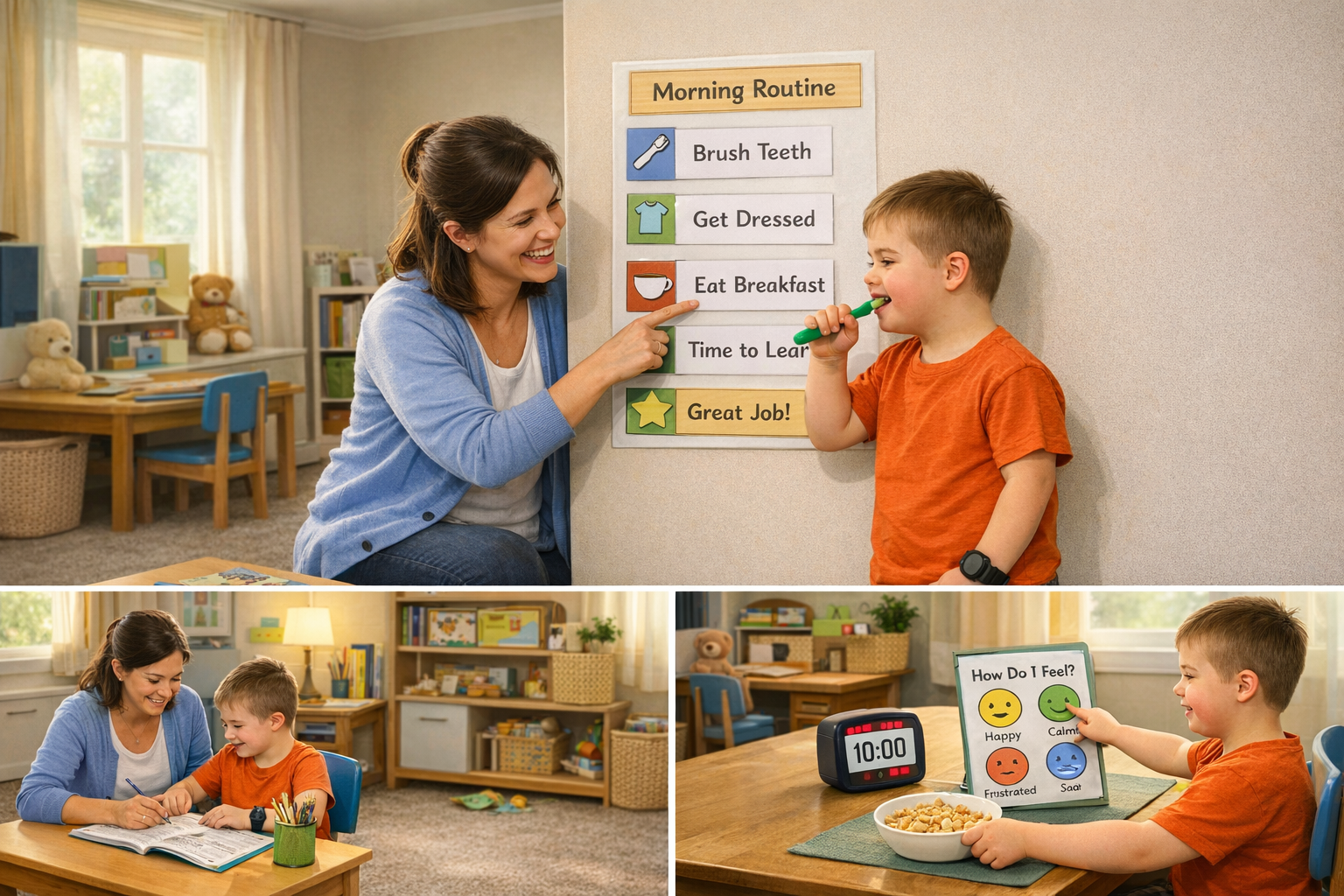
Positive behavior support is a person-centered, evidence-based approach used to improve the quality of life for individuals with disabilities by understanding the "why" behind challenging behaviors. Rather than focusing on punishment, the positive behavior support definition centers on teaching new skills and modifying environments to make those behaviors unnecessary.
By looking at the social, emotional, and physical triggers, a positive behavior support plan provides a roadmap for long-term success. This proactive methodology ensures that individuals gain greater independence and meaningful participation in their communities. If you are just beginning this journey, our regional center intake assistance can help you navigate the first steps toward accessing these vital resources.
A Closer Look at Positive Behavior Support
To truly understand the positive behaviour support meaning, one must look beyond the surface level of actions. This framework is built on the belief that all behavior is a form of communication. When an individual lacks the verbal or social tools to express a need, they may resort to challenging behaviors.
Positive behaviour support bridges this gap by focusing on environmental changes and skill development, ensuring the individual feels understood and supported.
Why Positive Behavior Support Strategies Work
What makes this approach so effective is its shift from reactive "consequences" to proactive prevention. Effective positive behavior support strategies typically include:
- Functional Assessment: Identifying the specific triggers and reinforcements for a behavior.
- Skill Acquisition: Teaching "replacement behaviors" that serve the same purpose but are more socially adaptive.
- Environmental Modification: Adjusting the person's surroundings to reduce stress and physical discomfort.
- Reinforcement Systems: Providing consistent, meaningful rewards for positive choices.
Factors Influencing a Positive Behavior Support Plan
Creating a successful positive behavior support plan is not a one-size-fits-all process. The "right" choice is influenced by the individual's unique sensory profile, communication abilities, and the specific settings where they spend their time. For families starting early, our Early Start (0-3) services provide the foundational assessment needed to tailor these plans to a child's specific developmental stage.
Common Misconceptions: Where Most People Get It Wrong
A frequent error is confusing what is positive behavioural support with simple "compliance training." It is not about making an individual "obedient" through rewards; it is about expanding their agency. Another common mistake is the "fix-the-person" mentality.
Authentic PBS recognizes that the burden of change often lies with the environment and the caregivers, not just the individual. By focusing on the benefits of positive behavior support—such as increased community integration and reduced caregiver burnout—we move toward a more compassionate and effective model of care.
What You Need to Know Before You Decide
Choosing the right path for a loved one requires understanding why positive behavior support is important in the long term. This approach is a commitment to a lifestyle change, not a quick fix. Before finalizing your strategy, consider these essential elements:
- Consistency is Key: A positive behaviour support strategy only works if it is implemented across all environments—home, school, and community.
- Data-Driven Decisions: Progress is tracked through observation and data, ensuring the plan evolves as the individual grows.
- Team Collaboration: Success depends on open communication between family members, educators, and therapists.
- Focus on Quality of Life: The ultimate goal is not just the absence of "problem" behaviors, but the presence of joy, social connection, and autonomy.
Understanding these factors helps families move from a state of crisis to a state of empowerment. To help you navigate these complex decisions and coordinate with various providers, our navigation services offer the expert guidance needed to ensure every detail of the plan is supported and sustainable.
Choosing the Right Option for Your Family’s Situation
The implementation of positive behavior support often looks different depending on the specific developmental stage or environmental context of the individual. Understanding these nuances ensures that the chosen strategy is both practical and sustainable.
- Early Intervention Settings: For toddlers and young children, the focus is heavily on play-based learning and sensory regulation. Utilizing developmental screenings helps identify specific delays early, allowing for a more targeted and effective positive behavior support plan.
- School and Classroom Integration: In educational environments, the focus shifts to peer interaction and academic participation. Strategies must be portable and easy for teachers to implement alongside existing curriculum.
- Transition to Adulthood: For older individuals, the emphasis moves toward vocational skills and community independence. The benefits of positive behavior support at this stage include improved self-advocacy and a smoother transition into adult service systems.
- Home-Based Consistency: The home environment requires strategies that fit into the family’s daily routine without causing undue stress on caregivers, ensuring long-term adherence and success.
How This Works in Real Projects
In practice, positive behavior support is not a static document but a living process that evolves alongside the individual. When families move from theory to execution, the first step is often a "functional behavior assessment" to identify what a person is trying to communicate through their actions. Professionals then develop a tailored positive behavior support plan that prioritizes the individual's comfort and dignity.
For example, in a real-world home setting, a child might show distress during loud transitions. Instead of a punitive response, a PBS approach involves using visual schedules and noise-canceling headphones while teaching the child a specific sign or word to request a "break." Over time, the observed outcome is a significant decrease in stress for both the individual and the caregiver.
Professional recommendations emphasize that the most successful projects are those where the family feels empowered to lead. Our Navigators to Leaders program is designed to help parents master these positive behavior support strategies, turning them from participants into advocates.
By bridging the gap between clinical theory and daily life, families see long-term improvements in social inclusion and overall happiness.
Final Thoughts: Making the Right Choice
Ultimately, understanding what is positive behavior support is about choosing a path of empathy, dignity, and long-term growth. By focusing on the "why" behind every action, you can move past temporary fixes and toward a sustainable future where your loved one thrives.
Whether you are implementing a complex positive behavior support plan or just beginning to explore new strategies, the goal remains the same: improving quality of life through meaningful connection.
Making these decisions can feel overwhelming, but you don't have to do it alone. If you're ready to take the next step toward empowerment, our Navigators to Leaders program provides the community and expertise needed to guide your family with confidence. Together, we can turn these strategies into lasting success.