
Developmental Coordination Disorder: A Guide to Causes and Therapy

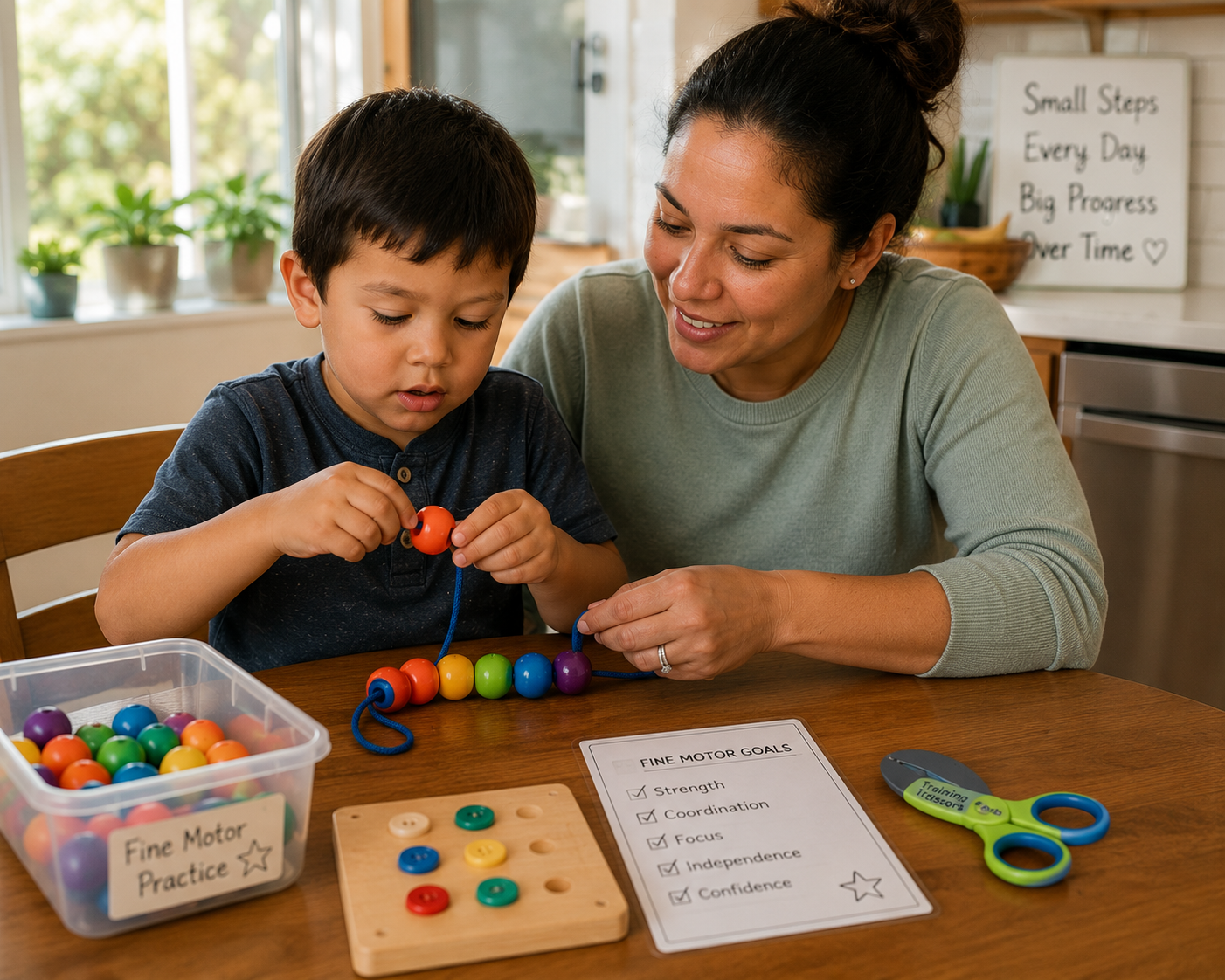
Developmental coordination disorder (DCD) is a lifelong neurodevelopmental condition that makes it significantly difficult for children and adults to learn and perform motor tasks. Often referred to by the clinical term dyspraxia symptoms, this condition manifests as a persistent delay in fine motor skills and gross motor coordination that is not explained by an underlying intellectual disability or known neurological disorder.
For many parents, the first sign is seeing their child struggle with daily tasks like tying shoelaces or riding a bike, leading to the common but misleading "clumsy" label. Understanding developmental coordination disorder is the first step in moving from frustration to effective advocacy. This guide will clarify the causes of these coordination challenges, explain the difference between gross and fine motor impairments, and outline the therapeutic pathways available to help your child thrive.
By the end of this article, you will have a clear roadmap for securing the support and interventions your family deserves.
Understanding Developmental Coordination Disorder and Its Daily Impact
Developmental coordination disorder is a neurodevelopmental condition that affects a child’s ability to plan and execute physical movements. Unlike temporary growing pains or typical "clumsiness," DCD is a permanent challenge rooted in how the brain processes praxis and motor planning. Essentially, the brain struggles to send the correct signals to the muscles, making even simple, repetitive tasks feel like learning them for the first time, every time.
For families, this diagnosis is often a relief because it provides a name for the coordination challenges that have caused stress at home and in the classroom. Understanding this condition is vital because, without intervention, a child may face secondary struggles like low self-esteem or social isolation. At Families United, we provide developmental screenings to help parents identify these hurdles early, ensuring that a child’s potential isn't overshadowed by their physical struggles.
Recognizing the symptoms of developmental coordination disorder early allows families to access targeted support that bridges the gap between frustration and function. Key areas of impact include:
- Academic Performance: Difficulty with handwriting or using classroom tools can lead to a child falling behind despite having a high intellectual capacity.
- Physical Safety: Struggles with gross motor vs fine motor control can make navigating stairs or playground equipment more hazardous.
- Daily Independence: Tasks like buttoning a shirt or using utensils require complex motor sequencing that becomes a significant barrier to autonomy.
A common misconception is that children will simply "outgrow" these issues with enough practice. However, DCD requires specific strategies to bypass neurological hurdles. By seeking early start 0-3 services or school-aged advocacy, you can ensure your child learns the adaptations necessary for long-term success.
What specific symptoms should you look for at different ages?
Identifying Signs and Navigating Developmental Coordination Disorder
Recognizing developmental coordination disorder requires looking past the surface level of "clumsiness" to see the neurological patterns at play. Because DCD affects the way the brain plans and processes movement, the symptoms are often persistent and can interfere with a child’s ability to participate in school and social activities. Understanding these signs is the first step toward accessing the navigation services necessary to build a support team for your child.
Common Dyspraxia Symptoms by Age
While every child develops at their own pace, those with DCD often miss motor milestones or perform them with noticeable effort. Identifying dyspraxia symptoms early can significantly alter a child's developmental trajectory.
- Toddlers and Preschoolers: You may notice a delay in sitting up, crawling, or walking. These children might frequently bump into furniture, struggle with using a spoon, or find it nearly impossible to pedal a tricycle.
- School-Aged Children: This is often when coordination challenges become most apparent. Difficulties may include struggling with "pencil grip," inability to use scissors, or being unable to join in team sports because they cannot coordinate their limbs quickly enough.
- Adolescents and Adults: While the "clumsy" phase may seem like it should have passed, older individuals may struggle with driving, typing, or complex manual tasks like cooking or assembling furniture.
Gross Motor vs Fine Motor: Understanding the Difference
To effectively advocate for your child, it is helpful to distinguish between the two main types of motor functions affected by DCD.
- Gross Motor Skills: These involve the large muscles used for sitting, standing, walking, and running. A child with gross motor delays might seem "floppy" or have poor balance.
- Fine Motor Skills: These involve the smaller muscles in the hands and wrists. A fine motor skills disability often manifests as a struggle with "buttoning, zipping, and writing."
Many families we work with through our Regional Center intake assistance find that their child may excel in one area while struggling significantly in the other, which is a hallmark of the varied nature of DCD.
The Overlap: Clumsy ADHD and Comorbidities
It is very common for developmental coordination disorder to co-occur with other neurodivergent traits. You may have heard the term clumsy ADHD, which refers to the high frequency of children diagnosed with Attention Deficit Hyperactivity Disorder who also struggle with motor planning. When a child has both, the impulsivity of ADHD combined with the physical coordination hurdles of DCD can lead to an increase in accidental injuries and heightened frustration in the classroom.
How to Support Motor Planning at Home
Supporting a child with praxis and motor planning issues doesn't always require a clinical setting; consistent, low-pressure activities at home can help reinforce the neural pathways needed for movement.
- Break it Down: When teaching a new skill, like tying a shoe, break it into tiny, repeatable steps. Use "backward chaining," where you do most of the task and let the child finish the final step to build confidence.
- Sensory Integration: Activities like playing with playdough or using "heavy work" (like carrying a basket of laundry) can help a child better understand where their body is in space.
- Emphasize Effort Over Result: Because children with DCD often have to work ten times harder than their peers to achieve the same physical result, validating their persistence is crucial for their emotional well-being.
By identifying these patterns, you move closer to securing an environment where your child can thrive physically and emotionally. If you are unsure where to start, our navigators to leaders program can help you move from a place of uncertainty to becoming a powerful advocate for your child’s unique needs.
Real-World Impact: How Families Manage Developmental Coordination Disorder
Understanding the theory behind the diagnosis is important, but seeing how families navigate developmental coordination disorder in daily life provides a clearer picture of the path forward. These real-world scenarios illustrate how targeted support and advocacy can transform a child's experience with coordination challenges.
Use Case: The Classroom Transition
A second-grade student struggled with a severe delay in fine motor skills, making it impossible to keep up with written assignments. By working with an advocate to secure IEP support, the family successfully integrated assistive technology, such as speech-to-text software, into the classroom. The outcome was a significant reduction in the student's academic frustration and a measurable increase in their test scores and confidence.
Use Case: Building Independence at Home
A young teenager with developmental coordination disorder found basic self-care, like preparing a simple meal or buttoning a formal shirt, to be overwhelming. Through specialized occupational therapy focusing on praxis and motor planning, the teen learned compensatory strategies, such as using elastic laces and adaptive kitchen tools. These practical adjustments led to greater daily independence and reduced the family's morning stress.
The Social Connection
In a community sports setting, a child who was often labeled as the "clumsy" peer joined a specialized motor-skills group rather than a high-pressure competitive team. This shift allowed them to improve their gross motor coordination at their own pace, turning physical activity from a source of shame into a social win.
These examples show that with the right tools and community support, the hurdles of DCD become manageable milestones rather than permanent barriers.
Professional Strategies for Managing Developmental Coordination Disorder
Moving from a diagnosis to a daily routine requires more than just patience; it requires a strategic approach to advocacy and environment. These professional insights help bridge the gap, ensuring your efforts to manage developmental coordination disorder lead to tangible improvements in your child’s quality of life and confidence.
- Prioritize Task Decomposition To assist with praxis and motor planning, never give a multi-step physical command all at once. Instead, break a task like "getting ready for school" into individual motor sequences. For a child with developmental coordination disorder, focusing on one movement at a time prevents neurological "traffic jams," making it much more likely they will complete the task without becoming overwhelmed or discouraged.
- Focus on Environmental Modifications Sometimes the best way to handle coordination challenges is to change the environment rather than the child. Use non-slip mats under plates, choose clothing with magnetic closures instead of buttons, and provide slanted writing surfaces. These small adjustments reduce the physical "cost" of daily activities, allowing the child to reserve their energy for learning and social engagement.
- Advocate for "Process over Product" in Schools When dealing with a fine motor skills disability, the physical act of writing can be so exhausting that the child cannot demonstrate what they actually know. Work with your school through navigation services to ensure teachers grade the child on their ideas and comprehension rather than the neatness of their handwriting or the speed of their manual output.
Applying these best practices ensures that your child’s environment supports their growth, turning daily hurdles into manageable tasks and fostering long-term resilience.
Next Steps: Empowering Your Journey with Developmental Coordination Disorder
You now have a clearer understanding of how developmental coordination disorder affects both motor coordination and daily confidence. By recognizing the signs early, from a delay in fine motor skills to broader planning hurdles, you are better equipped to provide the structured environment and professional advocacy your child needs to succeed. This knowledge is the foundation for moving from confusion to a focused, effective plan of action.
Taking proactive steps today ensures that your child’s physical challenges do not define their future potential. Whether you are navigating school accommodations or seeking clinical support, every small adjustment to their routine builds a bridge toward greater independence and self-esteem. You don't have to navigate these complex systems alone; professional guidance can streamline the process and secure the resources your family deserves.
If you are ready to move from observation to action, the first step is a professional assessment. Explore our regional center intake assistance to learn how we can help you secure the specialized support and state-funded services essential for managing developmental coordination disorder effectively.
Frequently Asked Questions About Developmental Coordination Disorder
Is developmental coordination disorder the same as being "clumsy"?
While a child with developmental coordination disorder may appear clumsy, the two are not the same. Ordinary clumsiness is often a temporary phase of growth, whereas DCD is a persistent neurological condition affecting motor coordination. It is a lifelong challenge that requires specific therapeutic interventions and environmental adaptations to help the individual navigate physical tasks that others might find intuitive or simple to learn.
Can developmental coordination disorder affect both gross and fine motor skills?
Yes, developmental coordination disorder often impacts both areas, though the severity can vary. A child might struggle with gross motor vs fine motor tasks differently, for instance, they may be able to run and jump (gross) but find it impossible to hold a pencil correctly (fine). Because these coordination challenges are rooted in the brain's planning centers, both large and small muscle movements can be disrupted.
What is the difference between DCD and dyspraxia?
In most clinical and educational settings, developmental coordination disorder and dyspraxia are used interchangeably. Both terms describe significant difficulties with praxis and motor planning. While "DCD" is the formal diagnosis found in the DSM-5, "dyspraxia" is a more common term used by therapists and international organizations to describe the same symptoms, including difficulty with movement, coordination, and processing.
How do I get my child help for DCD in California?
The first step is a formal evaluation to identify a fine motor skills disability or gross motor delay. In California, you can request an assessment through your local school district for an IEP or contact a Regional Center for specialized support. Our specialists offer navigation services to guide you through these applications, ensuring you understand your rights and can access the state-funded resources your child needs to thrive.