
Developmental Disability Awareness California: Why It Matters for Families and Communities

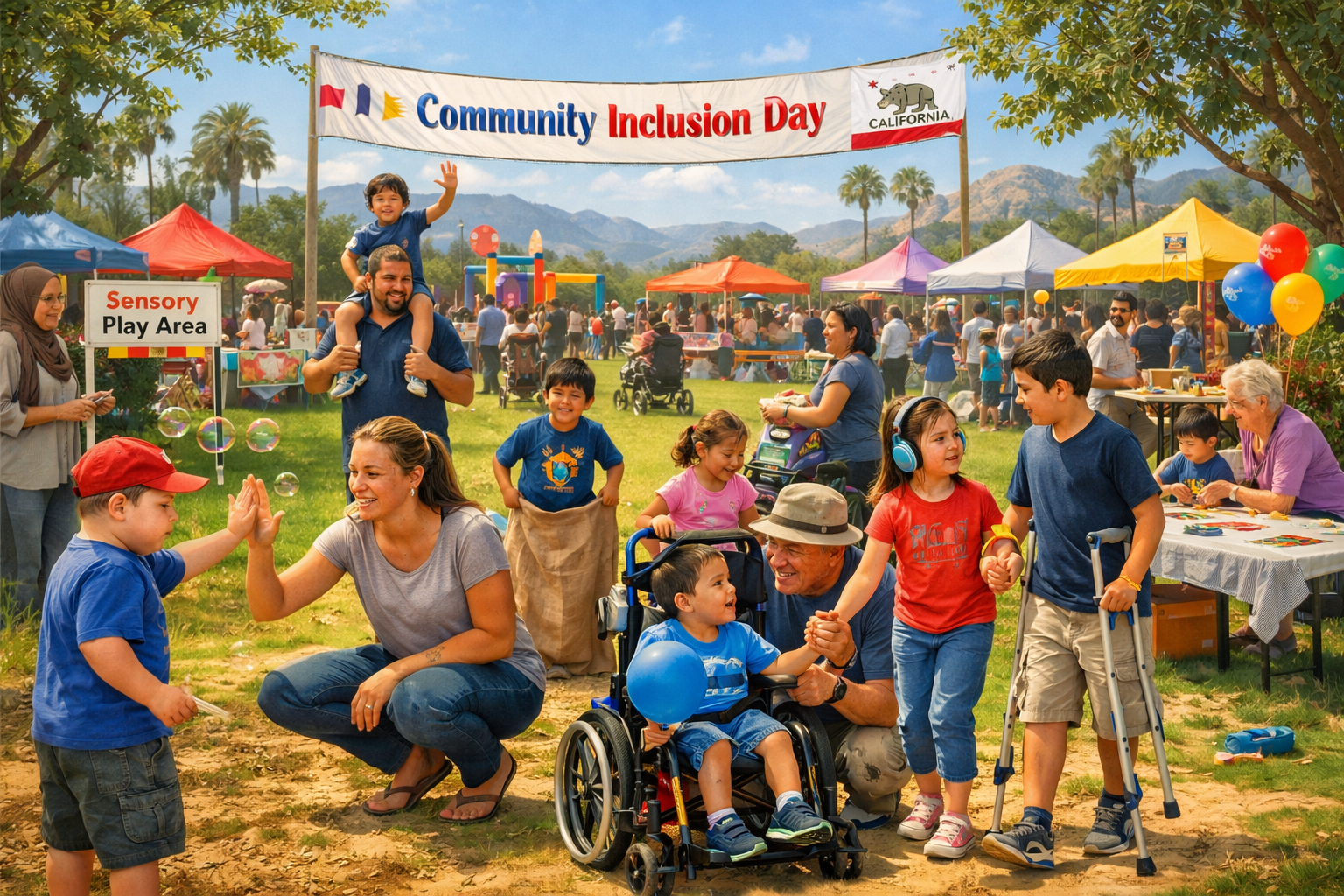
Why Developmental Disability Awareness Matters
Awareness isn’t just about recognition, it’s about access, inclusion, and opportunity. For many families, developmental disability awareness California remains a critical issue because misunderstandings can lead to delayed support, social stigma, and missed opportunities for early intervention. When developmental differences are overlooked or misunderstood, children may not receive the services they need at the most impactful times in their development.
In California, where families navigate a large and complex network of healthcare, education, and social services, awareness plays an especially powerful role. It helps families understand what developmental disabilities are, what signs to look for, and where to turn for help. Awareness also equips educators, healthcare providers, and community leaders to respond with empathy and evidence-based practices rather than assumptions or outdated beliefs.
When communities are informed, children are identified earlier, families feel less isolated, and systems become more responsive. Awareness replaces myths with facts and fear with understanding. It empowers parents to advocate, educators to adapt instruction, and policymakers to prioritize inclusive, accessible services.
This article explores why developmental disability awareness matters, how it impacts children and families across California, and what practical steps communities can take to foster inclusion. It also addresses common questions such as what month is disability awareness month, why disability awareness March is significant, and how developmental disabilities awareness month 2025 and developmental disabilities awareness month 2026 continue to shape statewide conversations. By building shared understanding, we create pathways for people with developmental disabilities to thrive, not just participate.
Let’s begin by clarifying what developmental disability awareness truly means.
What Developmental Disability Awareness Really Means
Developmental disability awareness goes far beyond knowing a definition or recognizing a label. At its core, awareness is about recognizing the many ways people learn, communicate, move, and engage with the world and valuing those differences as part of human diversity.
Developmental disabilities can affect cognitive, physical, communication, social, or adaptive skills and typically appear in childhood. Examples include intellectual disabilities, autism spectrum disorders, cerebral palsy, and other conditions that impact development. Developmental disabilities awareness focuses on early identification, respectful language, and inclusive practices across schools, healthcare settings, workplaces, and public spaces.
In California, awareness also means understanding rights and resources. Families benefit from knowing about early intervention services for infants and toddlers, school-based supports for older children, and community programs designed to promote independence and inclusion. Awareness helps families navigate systems that can otherwise feel overwhelming.
Key elements of effective awareness include:
- Accurate, stigma-free information grounded in current research
- Early identification and support, including routine developmental check-ins
- Inclusive environments and policies that reduce barriers
- Community-wide responsibility, recognizing that inclusion benefits everyone
Awareness is the foundation upon which meaningful inclusion is built. Without it, even well-designed services may go underused or misunderstood.
The Impact of Awareness on Children and Families
Awareness has tangible, life-changing effects for children and their families. One of the most significant impacts is earlier identification of developmental differences. When parents, caregivers, and professionals understand developmental milestones and warning signs, children are more likely to receive timely screenings and evaluations.
Early identification often leads to earlier intervention, which research consistently links to better long-term outcomes. Families who notice concerns early can pursue developmental screenings and connect with services that support communication, mobility, learning, and social development. In California, families can access resources such as developmental screenings to better understand their child’s needs and next steps.
For families, awareness also reduces isolation. Parents who understand developmental disabilities are more likely to seek help, connect with support networks, and advocate effectively for their children. When communities are informed, they respond with empathy rather than judgment, creating safer spaces for children to learn, play, and grow.
In educational settings, awareness supports inclusive classrooms and appropriate accommodations. Teachers who understand developmental differences can adapt instruction, use universal design strategies, and collaborate with specialists. In healthcare, awareness leads to timely referrals, coordinated care, and family-centered decision-making.
Across systems, awareness aligns services with real needs. It transforms uncertainty into action and concern into collaboration, benefiting not only children with disabilities but entire communities.
Why California-Specific Awareness Matters
California’s size, diversity, and complex service systems make localized awareness especially important. Families may experience differences in access to services based on region, language, culture, or socioeconomic factors. Developmental disability awareness helps bridge these gaps by ensuring families understand statewide pathways while also recognizing local variations.
State-specific awareness includes understanding early intervention services for children from birth to age three, such as Early Start programs, as well as school-based services for preschoolers and school-age children. It also involves knowing how to access community-based supports, therapy services, and advocacy resources.
California’s diversity means that culturally responsive awareness is essential. Families may have different beliefs about disability, healthcare, or education. Effective awareness respects these perspectives while providing clear, accessible information in multiple languages and formats.
Community organizations play a critical role in turning awareness into action. Groups like Families United support families by offering education, navigation assistance, and advocacy training. Their work helps ensure that awareness leads to real-world support rather than remaining a theoretical concept.
Developmental Disabilities Awareness Month and Disability Awareness March
Many people ask, what month is disability awareness month? In the context of developmental disabilities, the answer is March. Developmental disability awareness month, also known as developmental disabilities awareness month, is observed every March and is sometimes referred to as developmental disabilities month or disability awareness March.
This month-long observance highlights the contributions of people with developmental disabilities and promotes understanding, inclusion, and equal opportunity. Campaigns during March often focus on sharing personal stories, educating the public, and encouraging inclusive practices in schools, workplaces, and communities.
March is developmental disabilities awareness month, making it a key time for families, professionals, and advocates to engage in conversations about access and equity. Looking ahead, developmental disabilities awareness month 2025 and developmental disabilities awareness month 2026 will continue to emphasize early intervention, inclusive education, and community participation, issues that remain highly relevant for California families.
While awareness month activities are valuable, true inclusion requires year-round commitment. March serves as a catalyst, but lasting change depends on sustained education and action throughout the year.
Intellectual Disabilities Awareness Month and Related Observances
In addition to broader developmental disability initiatives, intellectual disabilities awareness month focuses specifically on conditions that affect intellectual functioning and adaptive behavior. This observance overlaps with broader disability awareness efforts and reinforces the importance of individualized support and respect.
Intellectual disabilities awareness emphasizes that intelligence and ability exist on a spectrum. With appropriate supports, individuals with intellectual disabilities can learn, work, build relationships, and contribute meaningfully to their communities. Awareness challenges outdated assumptions and highlights strengths alongside support needs.
In California, aligning intellectual disabilities awareness with broader developmental disability efforts helps create cohesive, inclusive systems that recognize the whole person rather than a single diagnosis.
Practical Ways to Promote Developmental Disability Awareness
Awareness grows through everyday actions as much as formal campaigns. Families, schools, healthcare providers, and community members all play a role in fostering understanding and inclusion.
Share accurate information. Use respectful language and evidence-based resources when talking about developmental disabilities. Correct misinformation when you encounter it, and amplify voices of individuals with lived experience.
Encourage early screenings. Normalize developmental check-ins during pediatric visits and early childhood programs. Early screening does not label a child—it opens doors to support.
Support inclusive spaces. Advocate for accessibility in schools, parks, libraries, and recreational programs. Inclusion benefits everyone by creating environments that accommodate diverse needs.
Listen to lived experiences. Center the voices of individuals with disabilities and their families. Personal stories build empathy and challenge stereotypes more effectively than statistics alone.
Help families navigate systems. California’s service landscape can be complex. Resources like navigation services and programs such as the Navigators to Leaders Program empower families to understand their options and advocate effectively.
Small, consistent efforts compound into cultural change. Awareness is not a one-time event, it’s an ongoing commitment.
Real-World Benefits of Increased Awareness
When awareness improves, outcomes follow. The following use cases illustrate how developmental disability awareness translates into measurable, positive impact.
Use Case 1: Early Identification
A community awareness initiative encourages parents to track developmental milestones and seek screenings when concerns arise. As a result, more children receive evaluations before age three and access early intervention services sooner. Early support leads to improved communication, social skills, and family confidence.
Use Case 2: Inclusive Education
Teachers receive training on developmental disabilities awareness and inclusive strategies. Classrooms adopt flexible teaching methods, sensory-friendly spaces, and collaborative problem-solving. Students with and without disabilities benefit from a more supportive learning environment.
Use Case 3: Family Empowerment
Families gain confidence navigating services such as regional center intake assistance. With clearer information and guidance, families experience reduced stress, better coordination of care, and stronger advocacy outcomes.
These examples demonstrate that awareness is not abstract, it leads to concrete improvements in daily life.
The Role of Early Intervention and Therapy Awareness
Awareness also plays a crucial role in connecting families to therapeutic supports. Physical, occupational, and speech therapies can significantly impact development when accessed early. Understanding how and when to pursue these services helps families make informed decisions.
For example, awareness of the benefits of physical therapy can support children with motor delays or mobility challenges. Families seeking more information can explore insights on physical therapy for developmental disabilities in California, which highlights how targeted interventions support strength, coordination, and independence.
When families understand available therapies and how to access them, they are better positioned to support their child’s development holistically.
Common Myths and Misconceptions to Address
Addressing misconceptions is central to effective awareness. Persistent myths can prevent families from seeking help or communities from offering support.
Myth: Developmental disabilities are rare.
Reality: Developmental disabilities affect many families across California, cutting across all communities and backgrounds.
Myth: Awareness equals labeling.
Reality: Awareness leads to understanding and support, not limitation. Labels can open doors to services and accommodations.
Myth: Inclusion lowers standards.
Reality: Inclusive practices raise the bar by benefiting all learners through flexible, supportive approaches.
Correcting myths opens doors to understanding, action, and meaningful inclusion.
Why Awareness Benefits Entire Communities
While awareness is often discussed in terms of individual children or families, its benefits extend to entire communities. Inclusive communities are more resilient, innovative, and compassionate. When people understand developmental differences, they are more likely to design systems, spaces, and policies that work for everyone.
Businesses benefit from inclusive hiring practices. Schools benefit from diverse perspectives and collaborative learning environments. Healthcare systems benefit from improved communication and trust. Awareness strengthens social cohesion by emphasizing shared humanity rather than difference.
In California, where diversity is a defining feature, developmental disability awareness aligns with broader efforts toward equity and inclusion.
Final Thoughts on the Importance of Awareness
Developmental disability awareness matters because it changes lives—by opening access to support, strengthening inclusion, and fostering dignity. For California families, awareness is often the first step toward timely services, empowered advocacy, and connected communities.
Whether during developmental disabilities awareness month, intellectual disabilities awareness month, or throughout the year, awareness drives progress. By learning, sharing, and supporting one another, we build a California where developmental differences are understood, respected, and supported every day—not just during awareness months.
Frequently Asked Questions
What is developmental disability awareness?
It is the effort to educate communities about developmental disabilities to promote understanding, inclusion, and access to support.
Why is awareness important for families?
Awareness helps families recognize concerns early, seek appropriate screenings, and navigate services with confidence.
What month is disability awareness month for developmental disabilities?
March is developmental disabilities awareness month, often referred to as disability awareness March.
How can communities support awareness in California?
Through education, inclusive policies, early screening promotion, and partnerships with family support organizations.
Does awareness improve outcomes for children?
Yes. Early identification, inclusive environments, and coordinated supports are linked to better developmental and family outcomes.
Where can families find support in California?
Families can start with pediatricians, schools, and community organizations that provide navigation, advocacy, and developmental services.
By prioritizing developmental disability awareness, we take meaningful steps toward a more inclusive, informed, and supportive future for all.