
Why Developmental Screening Matters

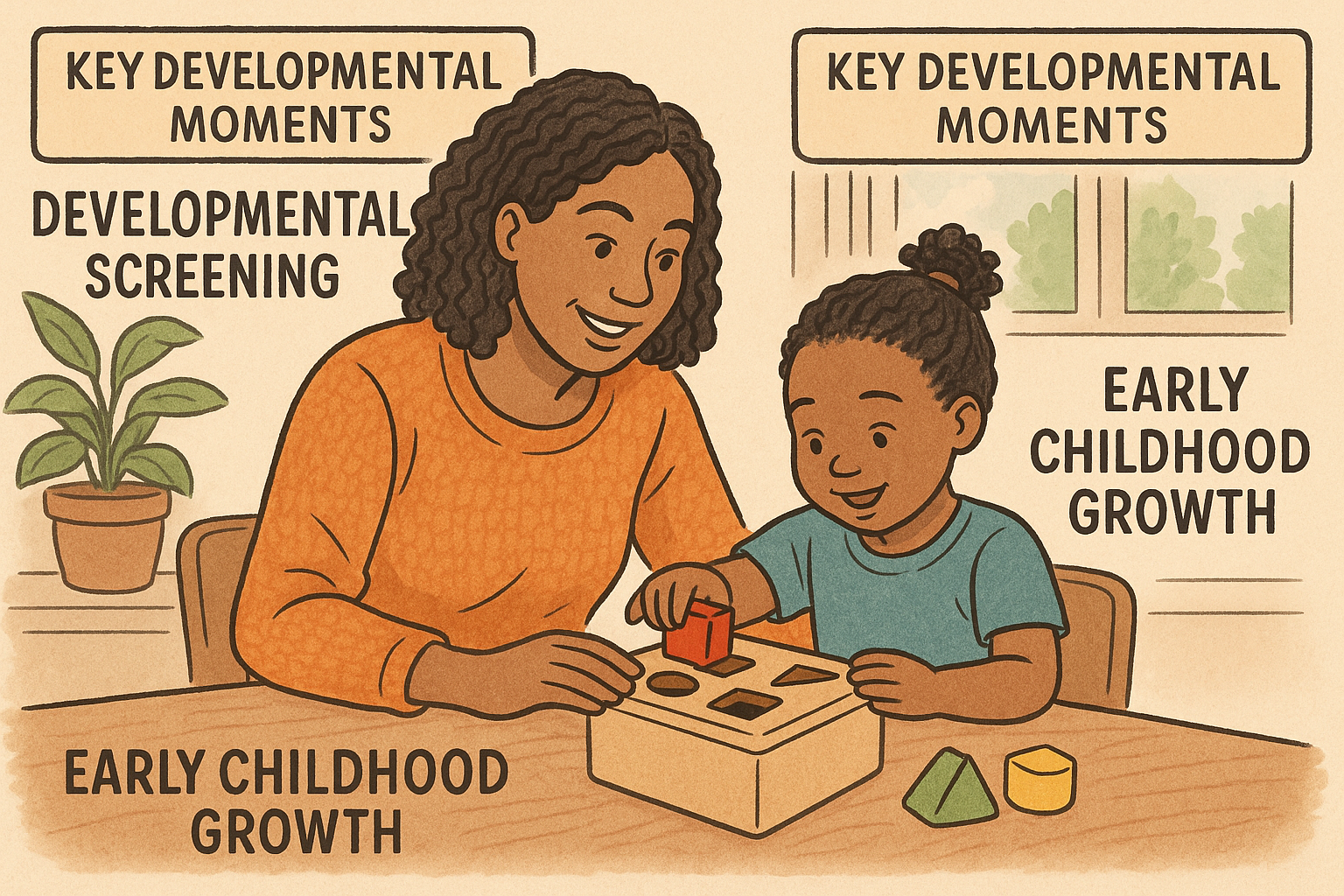
Why Developmental Screening Matters for Every Family
If you have ever wondered whether your child is meeting developmental milestones on time, you are not alone. Many parents in California experience the same mix of curiosity and concern as they observe their children grow. Developmental screening helps transform questions into clarity. It provides a structured way to understand whether a child’s communication, movement, social skills, and problem-solving abilities are progressing as expected through early childhood intervention.
Developmental challenges often appear gradually, and without a formal screening process, they are easy to miss. Early intervention evaluations play a crucial role in identifying needs when support is most effective. Families often find that screening brings reassurance, direction, and actionable steps to help their children thrive. For parents seeking guidance, resources like Developmental Screenings can be an important starting point, especially when considering free developmental screening options available in many California communities.
By the end of this article, you will understand what developmental screening is, why it matters, and how it supports families across California. Let’s explore how these assessments work and why they are among the most valuable tools available to caregivers.
Understanding Developmental Screening and Its Impact
Developmental screening is a structured process designed to determine whether a child is developing expected skills for their age. Screenings can take place during pediatric visits, in early childhood programs, or through specialized providers. The purpose is simple: identify potential developmental concerns early enough to address them effectively. Screenings evaluate skills across language, movement, social interaction, emotional regulation, sensory screening, and cognitive problem-solving.
Screening matters because development progresses rapidly during early childhood. Detecting concerns early ensures that support is timely and impactful. Parents gain insights into their child’s strengths and areas where additional help may be beneficial. This clarity strengthens communication with pediatricians, teachers, and specialists and supports access to early intervention services throughout California.
Key benefits include:
- Early identification of delays when intervention is most effective.
- Increased confidence for parents supporting their child’s progress.
- Stronger collaboration between families and healthcare providers.
- Access to preschool early intervention and infant intervention options statewide.
- Reduced long-term developmental challenges through timely support.
Some families assume that developmental challenges will resolve naturally, but this misconception often delays needed services. Developmental screening empowers parents to take proactive steps sooner rather than later. To explore additional perspectives on development, families can review resources such as Developmental Speech Disorders: Signs and Support.
How Developmental Screening Works and What Parents Should Expect
This section introduces how developmental screening functions and how it turns everyday observations into meaningful insights for families.
How the Screening Process Builds Clarity
Developmental screening begins with questions and observations that reveal how a child behaves, learns, and moves. Parents may complete questionnaires addressing communication, movement, and social interaction. Providers then compare responses to established developmental guidelines to determine alignment with typical expectations.
Honest everyday examples, such as how a child responds to their name or stacks blocks, offer valuable insight. These details help specialists interpret results and tailor recommendations.
Pro Tip: Honest observations are more valuable than perfect answers.
Why the Screening Process Supports Families
Screening results help families understand where their child falls along developmental ranges. Providers explain findings in family-friendly terms, helping parents connect daily observations to broader developmental patterns. Families often learn about strengths they had not recognized before and receive recommendations for enhancing motor skills development or communication challenges.
Screenings turn vague concerns into clear next steps and provide direction for early intervention.
Pro Tip: Bring questions to your appointment to deepen your understanding.
How the Screening Process Identifies Needs
If screening suggests possible delays, providers may recommend more detailed evaluations. These early intervention evaluations help determine specific strengths and challenges across fine motor, gross motor, communication, and cognitive skills. Families in California can access follow-up services through programs like Early Start Early Intervention or regional supports.
Pro Tip: A referral for evaluation is an opportunity to learn more about your child’s development.
Why the Screening Process Guides Next Steps
Based on results, providers may recommend home strategies, follow-up screenings, or referrals for early childhood intervention services. These steps ensure the right support is in place at the right time. Families often feel relieved knowing exactly where to turn for assistance, including help through Family Navigation Services and the Navigators to Leaders Program.
Pro Tip: Keep copies of screening reports for future school meetings or pediatric appointments.
How Developmental Screening Supports Real-World Situations
Understanding the value of developmental screening becomes easier with real examples. One California family learned through screening that their toddler needed additional support with expressive language. After receiving early intervention services, their child made significant progress within months, reducing frustration and improving communication.
Another family used screening results to secure classroom accommodations in preschool early intervention, helping their child transition more smoothly to group learning. Teachers appreciated the clear information, and the child gained confidence in social settings.
Screening can also reassure families when development is on track. Whether identifying needs or offering peace of mind, developmental screening provides families with the guidance required to support their child’s well-being.
For families navigating service systems, programs like Regional Center Intake Assistance offer support during enrollment and evaluations. Additional global insights are available from trusted organizations like HealthyChildren.org and UNICEF.
Best Practices and Common Mistakes Parents Should Avoid
Approaching developmental screening with the right mindset helps families receive the most accurate and useful insights.
Boldly Track Milestones Consistently
Observation over time reveals patterns. Tracking milestones does not require detailed logs: simple notes or checklists help parents recognize developmental needs and prepare for future screenings.
Boldly Communicate Openly with Providers
Sharing concerns early and honestly ensures providers receive a complete picture. Even small details may point toward underlying developmental needs, contributing to more informed assessments.
Boldly Avoid Waiting for Problems to Fix Themselves
Waiting for children to “catch up” may delay access to early support. Developmental screening identifies needs early, empowering families to take proactive steps through early childhood intervention.
Boldly Follow Up on Recommendations
Whether it involves practicing new skills, attending additional screenings, or contacting specialists, follow-through is essential. Children benefit the most when supportive strategies are implemented consistently.
Boldly Use Local California Resources
California offers extensive early intervention programs, regional centers, and community services tailored to children’s developmental needs. Support is widely accessible, and many services are offered at low or no cost.
Taking the First Step Toward Healthy Development
Developmental screening is a powerful tool that helps families understand and support their child’s developmental journey. Whether identifying early needs or offering reassurance, screenings empower caregivers with knowledge and clarity. When families take advantage of screening opportunities, they create pathways for healthy development and confident decision-making.
By applying the insights from this article, you can take informed steps toward supporting your child’s progress. To explore local programs or schedule a screening, consider contacting Families United or speaking with your pediatric provider.
Frequently Asked Questions About Developmental Screening
1. Is developmental screening required in California?
Developmental screening is not legally required statewide, but pediatricians widely recommend it during routine visits. California encourages early screening in early childhood programs to help families access intervention earlier.
2. How often should a child receive developmental screening?
Experts recommend screenings at 9, 18, and 30 months, with autism-specific screenings at 18 and 24 months. Additional screenings may be helpful when concerns arise.
3. Can developmental delays improve with early intervention?
Yes. Early intervention significantly improves outcomes in areas such as communication, motor development, and social skills. Children often make substantial progress when services begin early.
4. What signs might indicate a child needs screening?
Signs may include delays in speech, difficulty interacting with others, limited motor abilities, or challenges with problem-solving. Routine developmental screening benefits all children, even those without visible concerns.
5. Where can families access developmental screening in California?
Families may access screenings through pediatricians, regional centers, early childhood programs, and organizations like Families United. Many services are low-cost or free, and parents can explore options using local navigation resources.